TL;DR
Day 23 of Iran's total internet blackout has left 90 million people cut off from the world during Nowruz, the longest such shutdown in history.
MSM Perspective
NYT reported on families celebrating Nowruz without any digital contact with the outside world, calling it an information vacuum compounding the war's terror.
X Perspective
Iranians in diaspora shared stories of texting goodbyes to family members before the blackout began, unable to reach anyone for over 500 hours.
Day 23. More than 528 hours. Ninety million people cut off from the world. Iran's internet blackout, imposed when the war began on February 28, is now the longest total national shutdown in recorded history, surpassing the previous record set during Iran's own 2022 protests and eclipsing Myanmar's multi-month regional shutdowns in scope and severity [1].
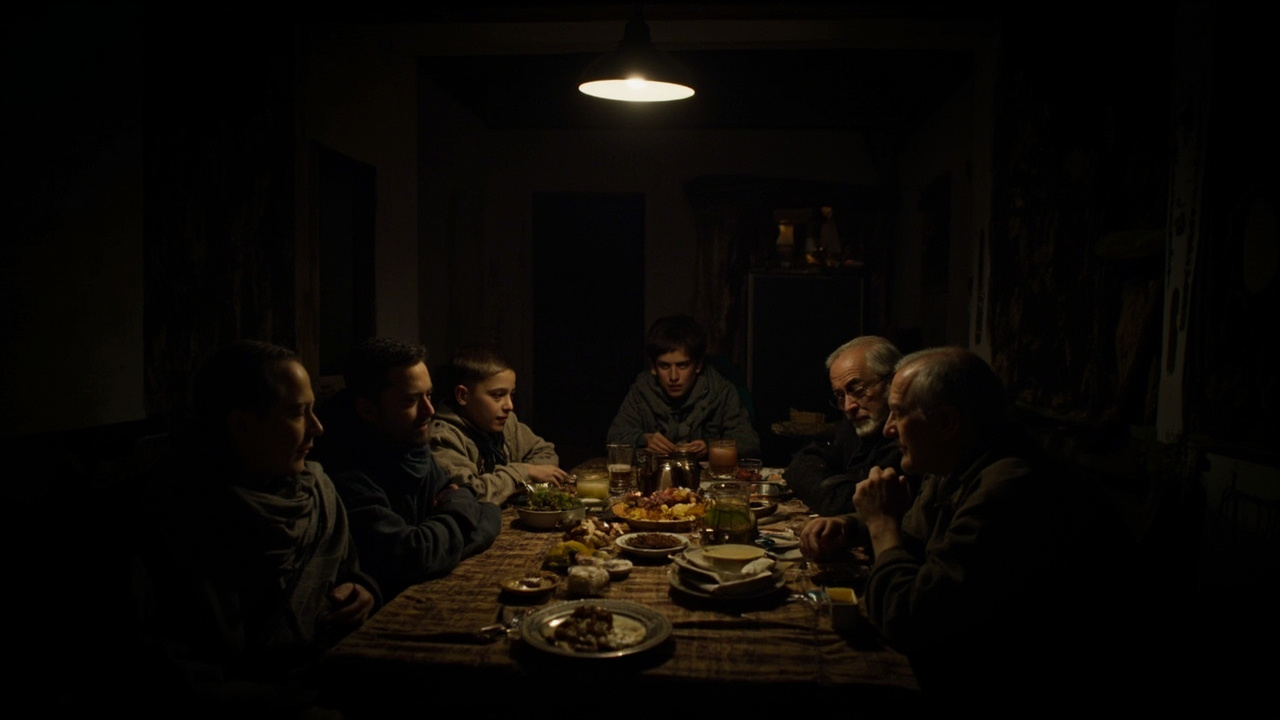
The blackout has coincided with Nowruz, the Persian New Year, which began on March 20. It is the most important holiday in Iranian culture, a celebration of renewal observed for more than 3,000 years. This year, families gathered around the Haft-sin table in homes that had no phone service, no messaging apps, no video calls to relatives abroad, no news from the outside world [1].
"Life is becoming scarier by the day," one Tehran resident told the New York Times through a smuggled satellite connection before it, too, was disrupted. "We don't know what's happening to our city. We don't know what's happening to our country" [1].
The blackout rendered it impossible to make phone calls or send text messages locally or internationally, according to the Jerusalem Post, which cited NetBlocks internet monitoring data showing connectivity levels near zero since day one [2]. Iran International reported that authorities had also begun targeting Starlink terminals and VPN connections, closing even the narrow workarounds that had allowed fragments of information to leak out in previous shutdowns [3].
The humanitarian consequences are severe. Without internet access, Iranians cannot receive evacuation warnings when strikes are inbound. They cannot coordinate with family members about shelter locations. They cannot access government guidance -- not that any has been forthcoming. Access Now, the digital rights organization, condemned the shutdown on March 11 as a violation of international humanitarian law, noting that cutting communications during armed conflict constitutes a danger to civilian life [4].
The diaspora is suffering differently. Iranian communities in Jacksonville, Los Angeles, Toronto, and London have described weeks of silence from relatives inside the country. Some Iranians abroad reported receiving brief, fragmentary text messages before the blackout descended -- messages that, in retrospect, read like goodbyes [1].
No Iranian government official has publicly explained the blackout. The regime has historically used internet shutdowns to suppress protest organization, but this blackout began with the war, not with domestic unrest. The likeliest explanation is a combination of military operational security -- preventing the circulation of strike damage assessments -- and the regime's reflexive instinct to control information during crisis.
Iran International reported that the shutdown has entered its fourth week with no sign of restoration [3]. Facebook's Iran page noted that the blackout has left the country "isolated from the outside world for more than 528 hours." NetBlocks continues to register near-total connectivity loss.
The Persian New Year is supposed to be a time of family, light, and new beginnings. This year, 90 million Iranians observed it in a silence that no one chose and no one can break.
-- KATYA VOLKOV, Moscow
Sources & X Posts
News Sources