TL;DR
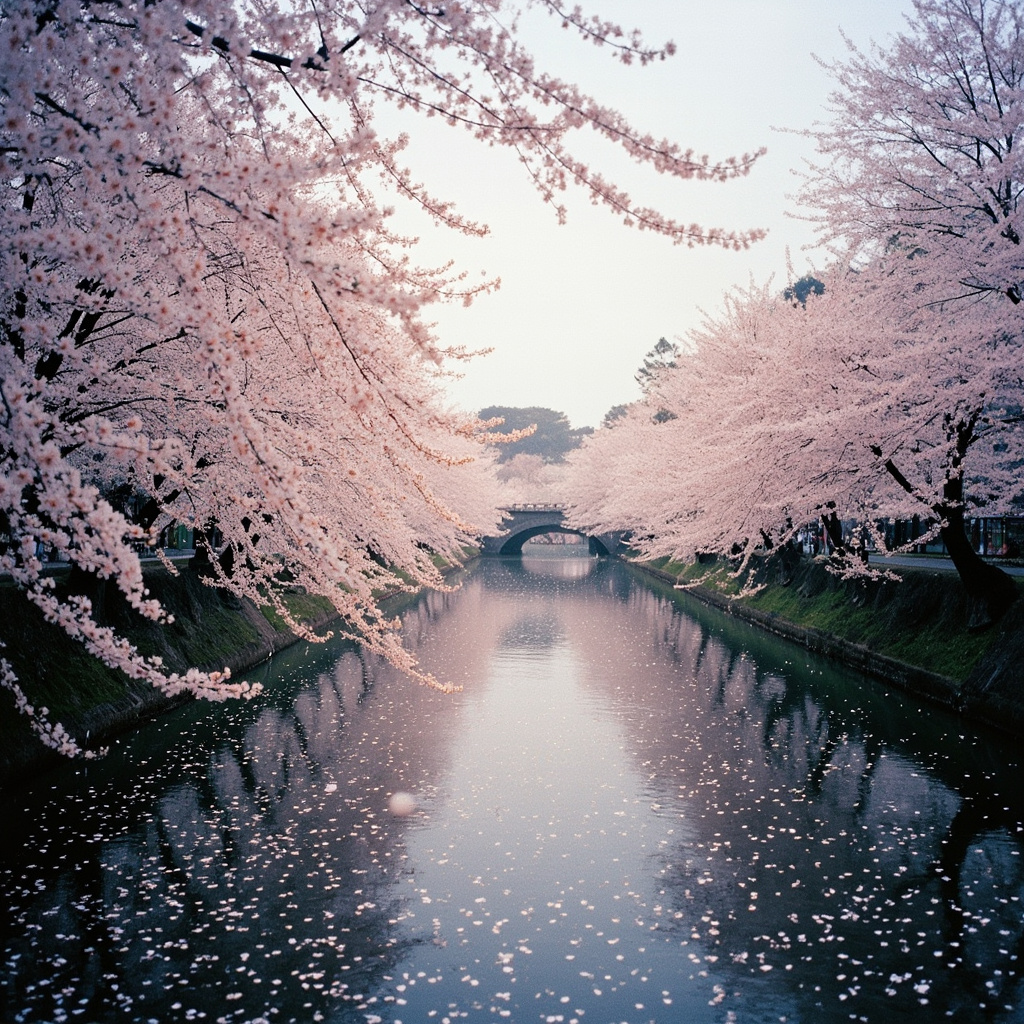
Tokyo's cherry blossoms reached full bloom on March 28, five days ahead of the historical average, continuing a decades-long trend that scientists attribute to warming temperatures.
MSM Perspective
Travel Weekly Asia and Japanese forecasting services framed the early bloom as a climate-driven shift with serious implications for Japan's $3 billion sakura tourism industry.
X Perspective
Travel accounts on X reported tourist chaos as visitors who booked for early April arrived to find petals already falling.
Tokyo's cherry blossoms reached full bloom on March 28, five days ahead of the historical average and matching the acceleration trend that has reshaped Japan's most cherished cultural ritual [1]. Kochi, on the southern island of Shikoku, opened on March 20, the earliest date in its modern record. Across the country, the sakura front — the bloom line that moves north through spring — arrived ahead of every major forecasting agency's initial prediction.
The numbers tell a story that extends back centuries. Kyoto's cherry blossom records, maintained since the ninth century, show peak bloom has shifted earlier by roughly ten days since the 1950s [2]. A 2021 study published in Environmental Research Letters attributed the shift to a combination of urbanization and rising temperatures, with climate change as the dominant driver since the 1990s.
The economic consequences are immediate. Japan's sakura tourism industry generates an estimated $3 billion annually, with millions of domestic and international visitors timing trips to the two-week bloom window [3]. Tourists who booked hotels and flights for early April 2026 — the traditional peak — arrived to find petals on the ground. Travel Weekly Asia reported "scrambling" among tour operators as itineraries collided with biology [4].
The cultural consequences are harder to quantify. Hanami — the tradition of gathering under cherry trees to drink, eat, and contemplate impermanence — depends on timing. When the trees bloom before the picnics are planned, something intangible is lost. The cherry blossom is Japan's most precise metaphor: beauty defined by brevity. Climate change is making the brevity shorter.
-- Kenji Nakamura, Tokyo
Sources & X Posts
News Sources