TL;DR
Japan is releasing 53 million barrels from its strategic petroleum reserve — the first nation to officially crack open wartime reserves since the Hormuz crisis began.
MSM Perspective
Bloomberg reported Japan will release oil from reserves unilaterally after PM Takaichi's announcement; Nikkei first reported preparations two weeks ago.
X Perspective
X energy analysts noted Japan's reserves cover roughly 260 days of imports, making this release a fraction of capacity — but its symbolic weight as a first mover is enormous.
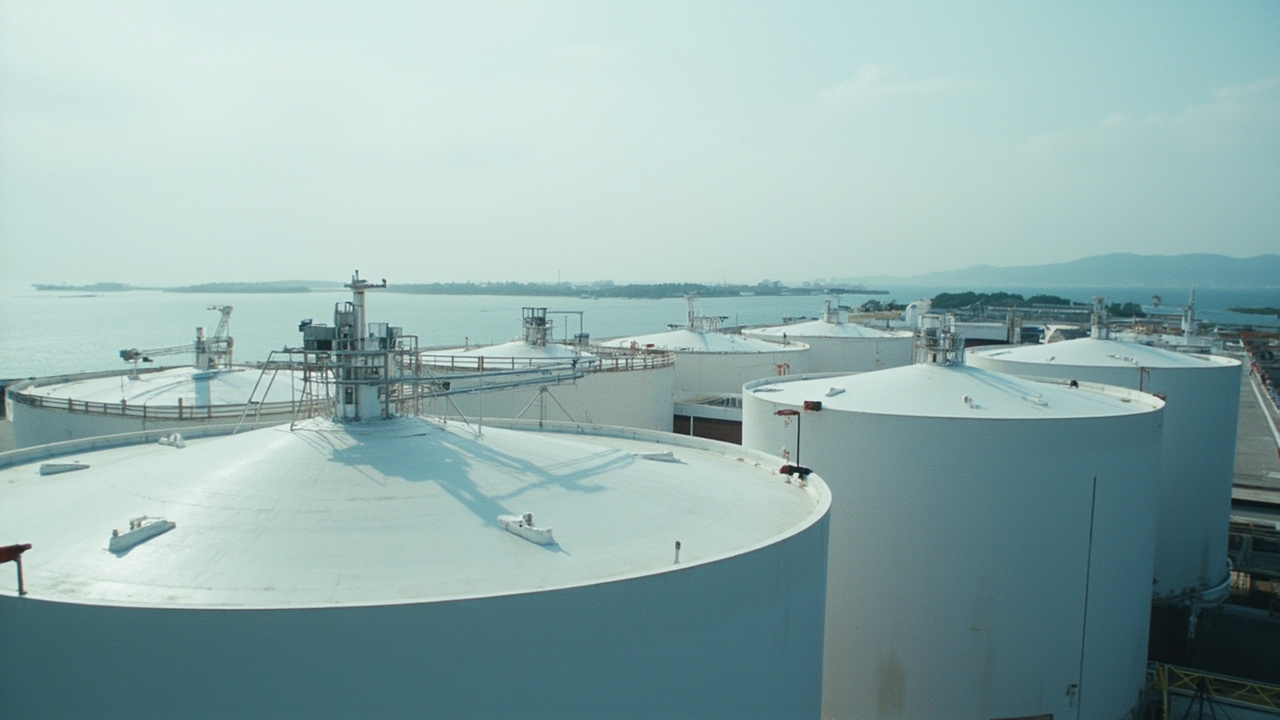
Prime Minister Sanae Takaichi announced Thursday that Japan will release 53 million barrels of crude oil from its national strategic petroleum reserve by the end of April — approximately one month of the country's total consumption. Japan is the first nation to officially crack open its wartime reserves in response to the Hormuz crisis. [1]
The reserve system was created in 1978 after the oil shocks of the previous decade. Japan holds one of the world's largest stockpiles — over 400 million barrels total, enough for roughly 260 days of imports at normal consumption rates. The 53 million barrel release amounts to about 13 percent of the total. [2]
The move is partly symbolic and partly mathematical. Global demand runs at approximately 105 million barrels per day. Japan's release covers half a day of world consumption. But it is a signal: the first G7 nation has concluded that the Hormuz blockade will not resolve quickly enough to avoid domestic supply disruption. The IEA coordinated a broader 400-million-barrel multilateral release earlier this month, but Japan's unilateral action goes beyond its allocated share. [3]
Brent crude held above $113 per barrel on the news. Markets treated the release as confirmation of the supply emergency, not relief from it.
-- Hendrik Van Der Berg, Brussels
Sources & X Posts
News Sources
X Posts