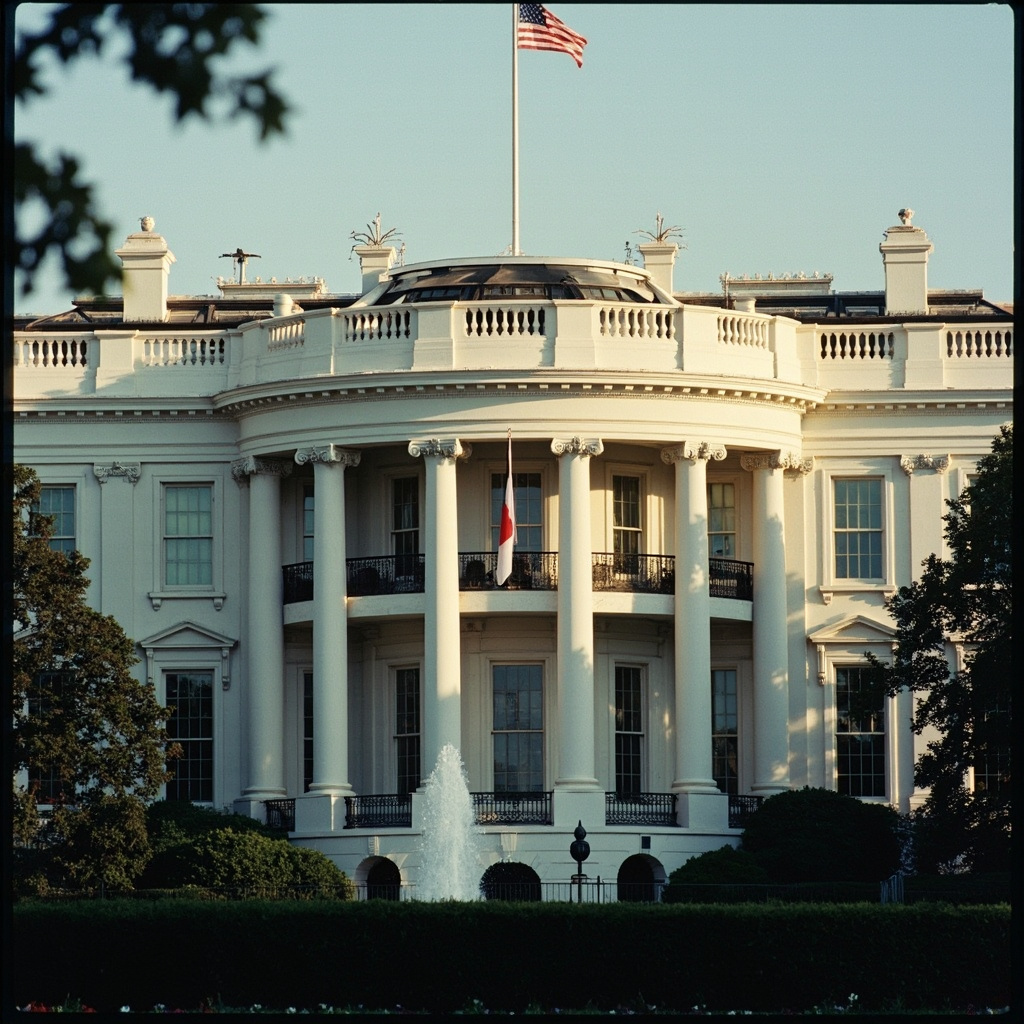
TL;DR
Japan's PM Takaichi met Trump at the White House Thursday — under the shadow of a war 72 percent of Japanese oppose. She's trying to find a legal way to say no. Japanese users are overwhelmingly against any military involvement. She left without committing.
MSM Perspective
BBC confirmed Takaichi at the White House. Fortune reported 72 percent oppose Article 9 changes. NHK leads with constitutional constraints. Japanese defense analysts note Tokyo has never sent ships to a Middle East conflict of this type.
X Perspective
Japanese users are overwhelmingly opposed. 'Why are we being dragged into America's war?' is the dominant refrain. Constitutional scholars are threading Article 9 constraints. Domestic politicians are calculating the electoral cost of any commitment. The gap between what Trump wants and what Japanese voters will accept defines the visit.
Japan's Prime Minister arrived at the White House Thursday with a 72-percent opposition rate to military involvement in the Iran war.
72 percent of Japanese oppose sending Maritime Self-Defense Force vessels to the Strait of Hormuz. [1] Takaichi carried that number into every room.
She left without committing to anything concrete. [1]
What Trump Wanted
Trump initially urged Japan, China, South Korea, and NATO allies to send naval vessels to help secure the Strait. [1] Then — with characteristic abruptness — he reversed course and said other countries should handle it. [1]
Takaichi walked into the confusion after that reversal.
No formal request had been received, Japan's defense minister said publicly. [1] The foreign minister, in an earlier briefing, said Tokyo was considering what it could do "within its legal constraints." [1]
Translation: they're trying to find a polite way to say no.
The Article 9 Problem
Japan's pacifist constitution — Article 9 — is the cage every Japanese leader operates inside. Dispatching the MSDF to escort tankers in an active war zone would be, as Japanese defense analysts have noted, a significant interpretive stretch. [2] Some would call it an outright violation.
Japan has sent minesweepers to the Indian Ocean twice before — after 9/11 and during the 2004 tanker crisis. [2] But those missions were explicitly non-combat and authorized under different legal frameworks.
"High hurdles" is how one senior defense official described any decision to send Japanese ships to the Middle East. [2]
What Japanese X Is Saying
The Japanese corners of X are not subtle about their feelings.
"Why is Japan being dragged into America's war?" is the most common refrain. Some are posting about Article 9's symbolic importance — not just as law but as national identity. Others are making the practical case: Japan imports nearly all its oil from the Middle East. A Hormuz disruption hurts Japan directly. Helping the US close Hormuz further hurts Japan more.
The political calculus for Takaichi: she can lose the White House's goodwill, or she can lose the next election. The 72 percent isn't a number she can ignore.
The Real Dilemma
Japan has a genuine interest in the Strait remaining open. Disrupted oil flows damage Japan's economy directly. But the public appetite for sending Japanese military assets to an American war on Iran is threadbare.
Trump wants Japanese ships. He may accept Japanese money. He will not easily accept Japanese hesitation.
The question is whether any form of contribution — diplomatic, financial, logistical — satisfies the administration without requiring a vote in Japan's Diet that Takaichi would lose.
— DAVID CHEN, Tokyo
Sources & X Posts
News Sources
X Posts