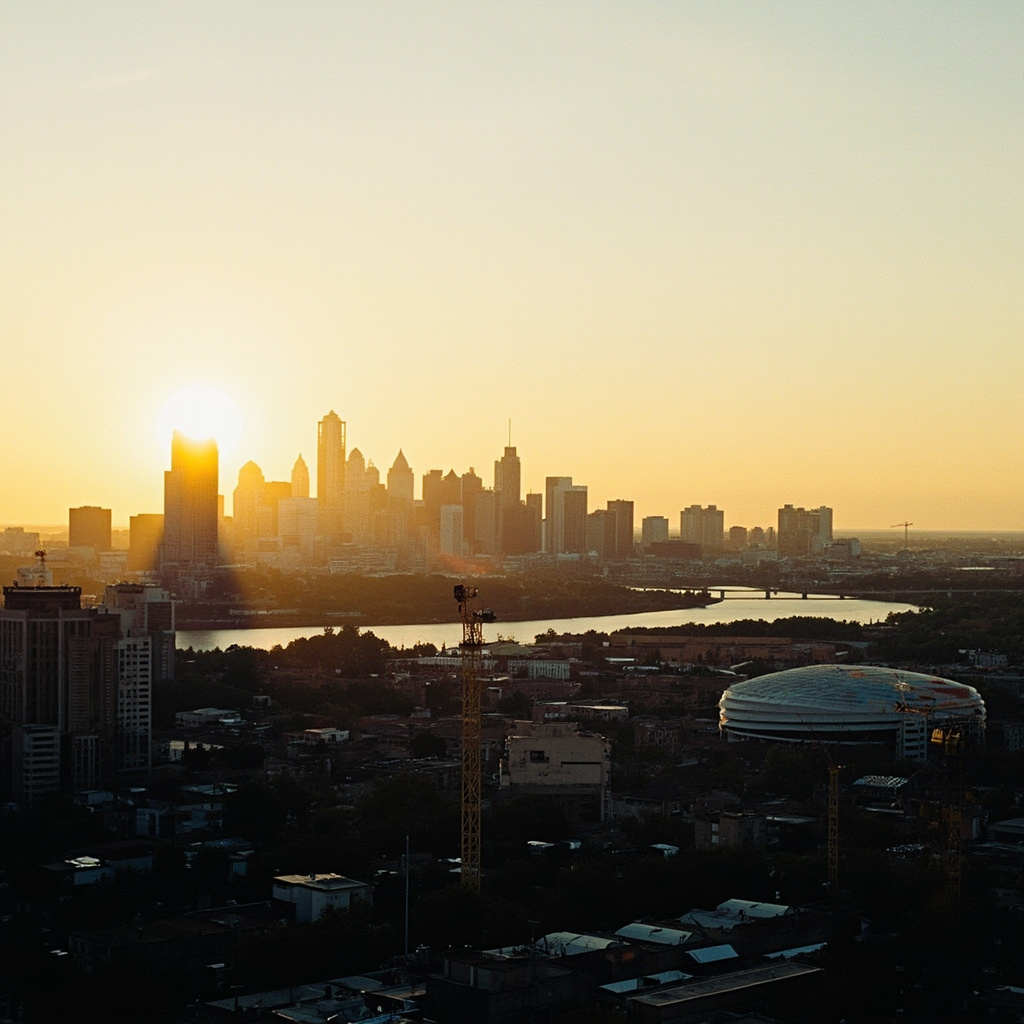
Kansas City is 12 days from hosting its first World Cup match, and the city has spent $2.5 billion getting ready. The streetcar extension that will connect Union Station to the stadium district opens next week. The CPKC Pavilion, a 6,000-seat performance venue built for the tournament's fan festival, finished its punch list on Thursday. The Sporting KC Training Centre in south Kansas City will serve as Argentina's base camp. England, the Netherlands, and Algeria have also selected Kansas City-area facilities. No host city in the tournament will house more national teams. [1] [2]
The investment dwarfs the city's scale. Kansas City's metropolitan population is 2.2 million, making it the smallest of the 16 North American host cities. Los Angeles, Dallas, and New York have larger stadiums, bigger airports, and deeper hotel inventories. What Kansas City has is $650 million in purpose-built soccer infrastructure accumulated since 2009, a fact that The Athletic documented as the decisive factor in four nations choosing the city for base camps. [2] [3]
The economic projections are staggering. Local officials estimate the tournament will generate $620 million in direct spending during the group stage alone. Argentina's presence is expected to draw tens of thousands of Argentine fans who will stay for the duration of the team's campaign. Hotel occupancy projections for June and July exceed 95 percent across the metro area. Airbnb listings within 30 miles of Arrowhead Stadium have tripled since January. [3] [4]
The infrastructure gamble is substantial. The streetcar extension cost $350 million and serves a corridor that will carry surge traffic for three weeks and then revert to its normal ridership. The security budget is $59 million, funded in part by a federal grant that was delayed by the DHS shutdown. Whether the grant funds arrive before the tournament begins is an open question. [4]
Kansas City is betting that hosting the World Cup transforms a regional city into a global one. The bet requires everything to work at once: transit, security, hospitality, and weather. June in Kansas City averages 90 degrees with afternoon thunderstorms. Argentina's players will train in conditions more closely resembling Buenos Aires in February than the European venues they are accustomed to. [1]
-- AMARA OKONKWO, Lagos