TL;DR
A Bloomberg analysis shows Trump's Liberation Day tariffs reshuffled supply chains toward Vietnam rather than back to the US as intended.
MSM Perspective
Bloomberg and DW document how one year of tariffs reshaped global trade flows with Vietnam emerging as the primary beneficiary.
X Perspective
Trade watchers note the tariffs backfired spectacularly, enriching Vietnam and Chinese transshipment networks instead of American factories.
One year ago tomorrow, President Donald Trump stood in the Rose Garden and declared April 2, 2025, "Liberation Day," unveiling the most sweeping tariff regime in nearly a century. The stated goal was unambiguous: force manufacturing back to American soil, punish countries running trade surpluses with the United States, and rebalance a global economic order that Trump argued had been rigged against American workers for decades.
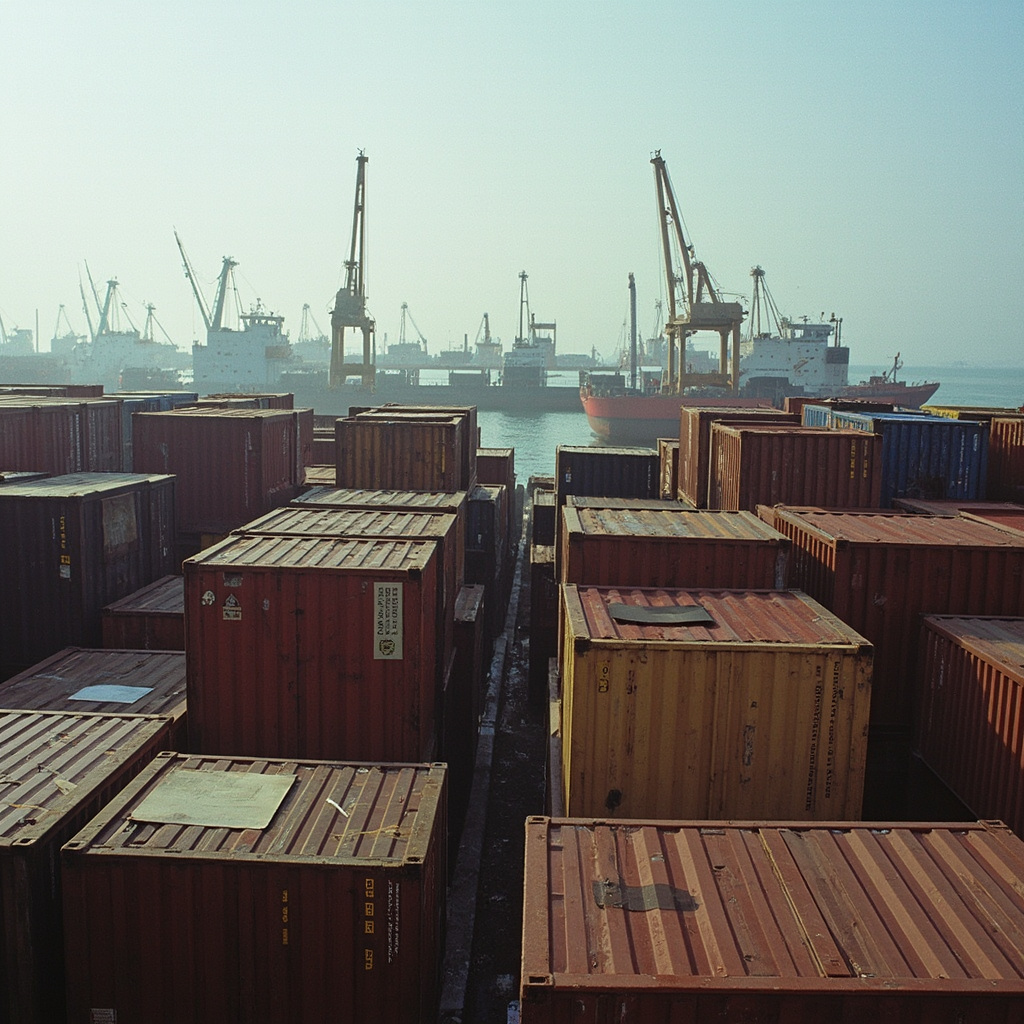
Twelve months later, the data tells a different story. A Bloomberg analysis of shipment-level customs data published this week shows that the tariffs have indeed reshuffled global supply chains -- but the primary beneficiary is not the United States [1]. It is Vietnam.
The Southeast Asian nation, which was initially hit with a staggering 46 percent tariff in the original Liberation Day announcement, has emerged as the single largest recipient of manufacturing relocated from China. Chinese firms have accelerated the construction of factories in Vietnamese provinces, routing goods through the country to take advantage of subsequently negotiated lower rates. Vietnam last year surpassed China as the top source of certain consumer goods categories imported into the US, according to Bloomberg's analysis [1].
"A year on from 'Liberation Day,' Trump's tariffs have fueled a change in global supply chains -- just not in the way he envisioned," Bloomberg concluded [1].
The original tariff package was dramatic in scope. A universal 10 percent tariff on all imported goods took effect on April 5, 2025, followed by higher rates on dozens of specifically named countries [2]. China faced the steepest penalties, with cumulative tariffs exceeding 100 percent on many goods. The immediate market reaction was severe -- stock markets plunged, and the administration significantly scaled back several of the higher rates within weeks after inflation fears mounted [3].
But the structural incentives the tariffs created proved durable. DW reported this week that trade data from the past year shows clear winners and losers in the reshuffle [4]. Vietnam, India, and Mexico all saw increased import volumes to the US, while China's direct exports to America declined sharply. The catch, analysts note, is that much of what now arrives from Vietnam and other intermediary countries still contains Chinese components and materials -- a phenomenon trade economists call "transshipment."
The U.S.-Asia Law Institute documented that over the succeeding months, additional tariffs were announced, modified, and withdrawn against various countries and specific goods categories, creating a compliance environment that one trade lawyer described as "whack-a-mole regulation" [5]. A January 2026 proclamation implemented an immediate 25 percent tariff on a narrow category of advanced chips and derivatives, further complicating an already tangled web of trade rules.
The domestic manufacturing renaissance that Liberation Day was supposed to catalyze has been modest at best. While several high-profile reshoring announcements were made in 2025, economists at the Commonplace research newsletter noted that most involved expansion of existing facilities rather than new greenfield construction [6]. The tariffs have raised costs for American manufacturers who rely on imported components, a dynamic that has partially offset any competitive advantage from higher import prices on finished goods.
Bloomberg's newsletter assessment of the anniversary was blunt: "Trump's plans were significantly scaled back after markets plunged, reflecting inflationary and growth threats from import taxes" [3]. The administration has pointed to bilateral trade deals negotiated in the tariffs' wake as evidence of success, but critics argue these deals largely codified concessions that trading partners had already been willing to make.
For Vietnam specifically, the trajectory has been remarkable. Once slapped with one of the highest tariff rates, the country negotiated aggressively and is now positioned as the alternative manufacturing hub of choice for companies seeking to maintain access to the American market without bearing the full weight of China-focused tariffs [7]. Vietnamese GDP growth accelerated in the second half of 2025 and has remained robust into 2026.
The anniversary arrives amid a dramatically changed geopolitical landscape. The ongoing conflict with Iran has pushed energy prices sharply higher, adding a new layer of inflationary pressure on top of the tariff-driven cost increases that have persisted throughout the past year. Whether Liberation Day will be remembered as the beginning of an American industrial revival or as a case study in unintended consequences remains a question that the next twelve months may begin to answer.
-- David Chen, Washington
Sources & X Posts
News Sources