Entertainment
TL;DR
Megan Thee Stallion was rushed to a New York hospital after collapsing during a Moulin Rouge performance, diagnosed with extreme exhaustion and dehydration.
MSM Perspective
Variety and People led with the hospitalization and quick recovery, framing it as a health scare within an otherwise triumphant Broadway run.
X Perspective
Fans flooded X with well-wishes while questioning whether the Broadway-music-touring schedule is sustainable for any performer.
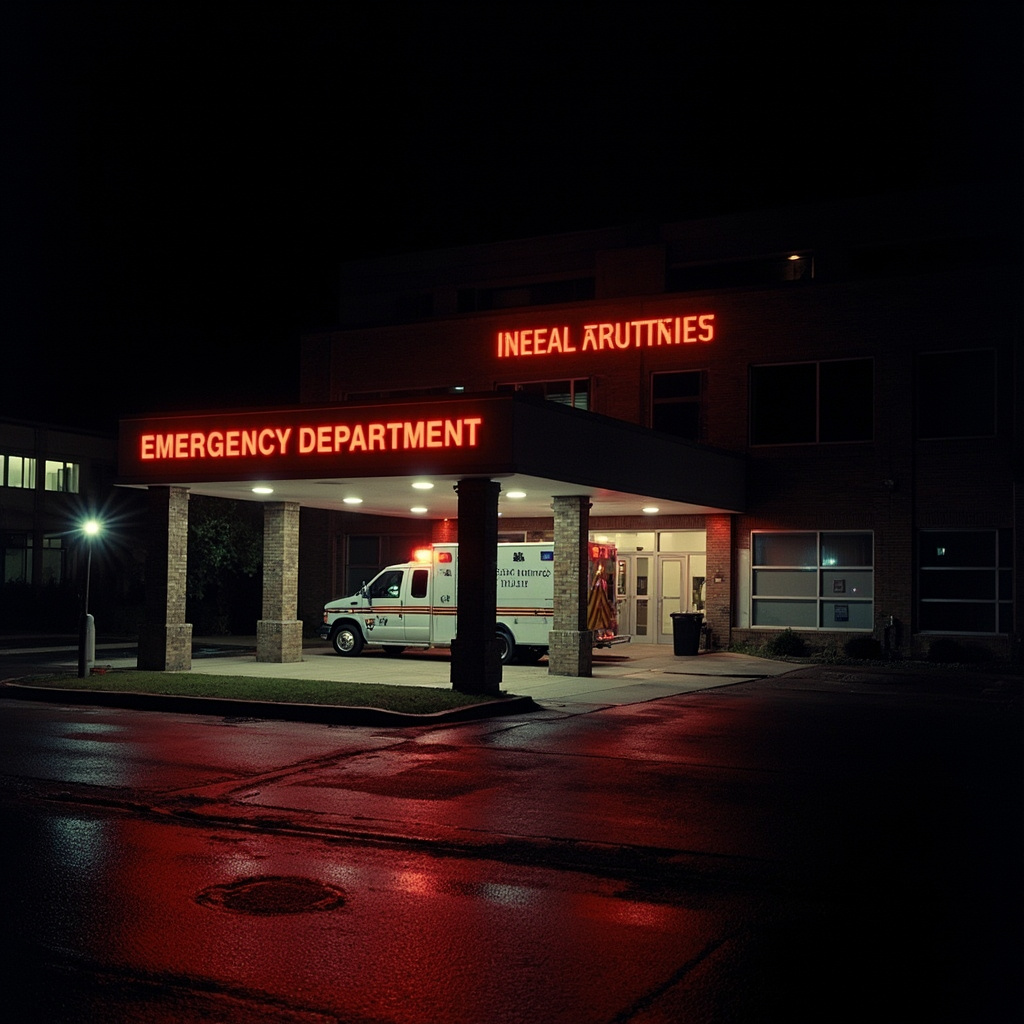
Megan Thee Stallion was hospitalized on the evening of March 31 after becoming "very ill" during a performance of Moulin Rouge! The Musical on Broadway, leaving the stage mid-act and being transported to a Manhattan hospital where doctors diagnosed extreme exhaustion and dehydration [1].
The 31-year-old rapper, born Megan Pete, had been performing as a guest star in the hit musical's limited spring engagement, a casting coup that generated headlines when it was announced in February and sold out its entire six-week run within hours. She collapsed backstage after the first act's finale, according to a statement from the show's producers released on April 1 [2].
Megan was treated, discharged, and returned to her hotel by early morning on April 1. Her representatives said she is "incredibly grateful for the prayers and well-wishes from her supporters" and confirmed she plans to return to the Moulin Rouge stage on Thursday, April 3 — a timeline that some medical professionals have questioned given the severity of the diagnosis [3].
The hospitalization arrives during what her team has described as "the biggest week of her career." In addition to the nightly Broadway performances, which require two and a half hours of singing, dancing, and acting in a physically demanding production, Megan has been promoting a new album scheduled for April release, conducting press interviews across New York media, and maintaining the social media presence that her audience expects. She performed at a private corporate event the night before the collapse [4].
The workload is not unusual by the standards of modern celebrity. It is simply unsustainable by the standards of human biology. Broadway performers — the ones who do this for a living, eight shows a week, year after year — speak candidly about the physical toll of sustained performance. The vocal demands alone would exhaust most people. Adding recording promotion, public appearances, and the baseline demands of maintaining a major pop career creates a schedule that has no margin for recovery.
Megan's health history makes the collapse more concerning than a routine exhaustion case. She has spoken publicly about anxiety, about the physical aftermath of being shot in 2020 by Tory Lanez, and about the demands of being a Black woman in an industry that simultaneously celebrates and exploits its biggest stars. The shooting, for which Lanez was convicted and sentenced to ten years in prison, left Megan with lasting foot injuries that she manages through ongoing treatment [5].
The Broadway production adjusted. Tuesday evening's performance was canceled, with ticket holders offered exchanges or refunds. The producers' statement praised Megan's "extraordinary dedication and talent" and noted that her understudy would be available if needed for Wednesday's performance. The show's regular cast has continued without interruption [6].
Fan reaction on social media was immediate and largely supportive, with the hashtag #GetWellMegan trending within an hour of the news breaking. But a secondary conversation emerged about the broader pattern of performers being pushed beyond physical limits by schedules designed to extract maximum commercial value from limited engagement windows. Taylor Swift's Eras Tour, which ran for nearly two years across six continents, generated similar concerns when Swift appeared visibly fatigued during late-tour dates. Beyonce's Renaissance Tour prompted reports of dehydration among dancers [7].
The entertainment industry's relationship with performer health operates on a fundamental tension. Every performance is revenue. Every cancellation is lost money — not just for the performer but for producers, venues, promoters, and the ecosystem of workers who depend on the show running. The incentive to perform through illness, fatigue, and pain is structural, not personal.
Megan's planned Thursday return will be watched closely. Broadway audiences will cheer. Her team will frame the return as resilience. And the schedule that produced the collapse will continue unchanged, because the machine that runs on exhaustion does not have an off switch. It has a sold-out run.
-- Camille Beaumont, Los Angeles
Sources & X Posts
News Sources
X Posts