TL;DR
Maham 3 and Maham 7: Iranian-made mines confirmed in the Strait. Here is what they are and what they can do.
MSM Perspective
MSM confirmed the ISW reporting on mines. X had the mine types before CBS did.
X Perspective
X has been tracking mine sightings, ship attacks, and casualty reports — building a tactical picture from碎片.
The Institute for the Study of War confirmed on March 24 what CBS News had reported two days earlier: Iran has deployed at least 12 naval mines in the Strait of Hormuz. [1] The mines are Iranian-manufactured Maham 3 and Maham 7 limpet mines. [2] The confirmation by ISW — a respected American defense think tank with close ties to the military establishment — establishes the intelligence community's consensus on what is in the water.
Here is what is known about the two mine types.
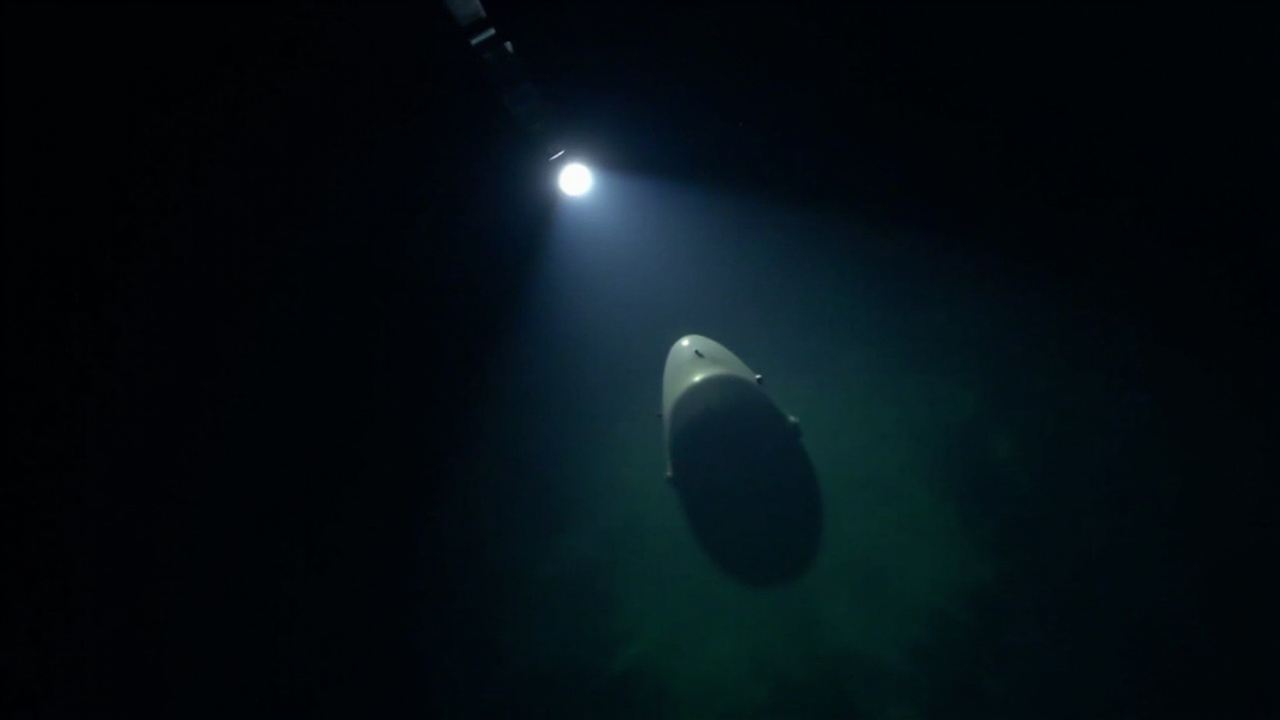
The Maham 3 is a moored naval mine. It hangs from a chain attached to a weight on the seabed, positioned at a depth calibrated to catch vessels transiting above. [3] Its sensors are magnetic and acoustic. It detects a nearby ship through the metal's distortion of the local magnetic field or the sound of the ship's engines and propellers. When the signature matches a preset profile, the mine detonates. The Maham 3 does not require contact with the hull. Proximity is sufficient.
The Maham 7 is a bottom-nyed mine. It rests directly on the seabed rather than hanging from a moored float. [4] This makes it harder to detect from the surface — there is no chain, no float, no visible marker. The Maham 7 uses the same magnetic and acoustic sensor suite as the Maham 3. The detonation mechanism is designed to fire when a vessel passes directly overhead, exploiting the pressure wave created by a large ship displacing water above a buried explosive.
CBS reported the mine count at "at least a dozen" on March 22. [5] ISW's March 24 confirmation did not revise the count upward. The operational posture suggests Iran is not attempting to mine the entire strait — which would require hundreds of mines — but to create a zone of attrition that makes commercial transit prohibitively risky. [6]
What is not known: the precise locations of the mines, the rules of engagement for their deployment, whether they are being actively monitored and detonated on command or operating on autonomous sensor-firing cycles, and whether Iranian vessels have safe passage protocols that allow them to transit the mined areas without triggering detonations.
The confirmed presence of the Maham 7 — the more technically sophisticated of the two systems — indicates Iranian naval planners anticipated a sustained mining operation rather than a temporary blockade. The mine that cannot be seen is the mine that keeps ships away long after the political crisis that prompted its placement has passed.
-- DAVID CHEN, Beijing
Sources & X Posts
News Sources
X Posts