TL;DR
NASA's X-59 'Quesst' quiet supersonic jet completed its second flight on March 20 at Edwards AFB, though an in-flight warning cut the mission to roughly nine minutes.
MSM Perspective
NASA confirmed the flight achieved its primary objectives despite an abbreviated duration, with pilot Jim 'Clue' Less landing safely after an in-flight caution indicator.
X Perspective
Aviation enthusiasts on X celebrated the flight despite the early landing, noting the X-59 is the first aircraft specifically designed to prove quiet supersonic overland travel is possible.
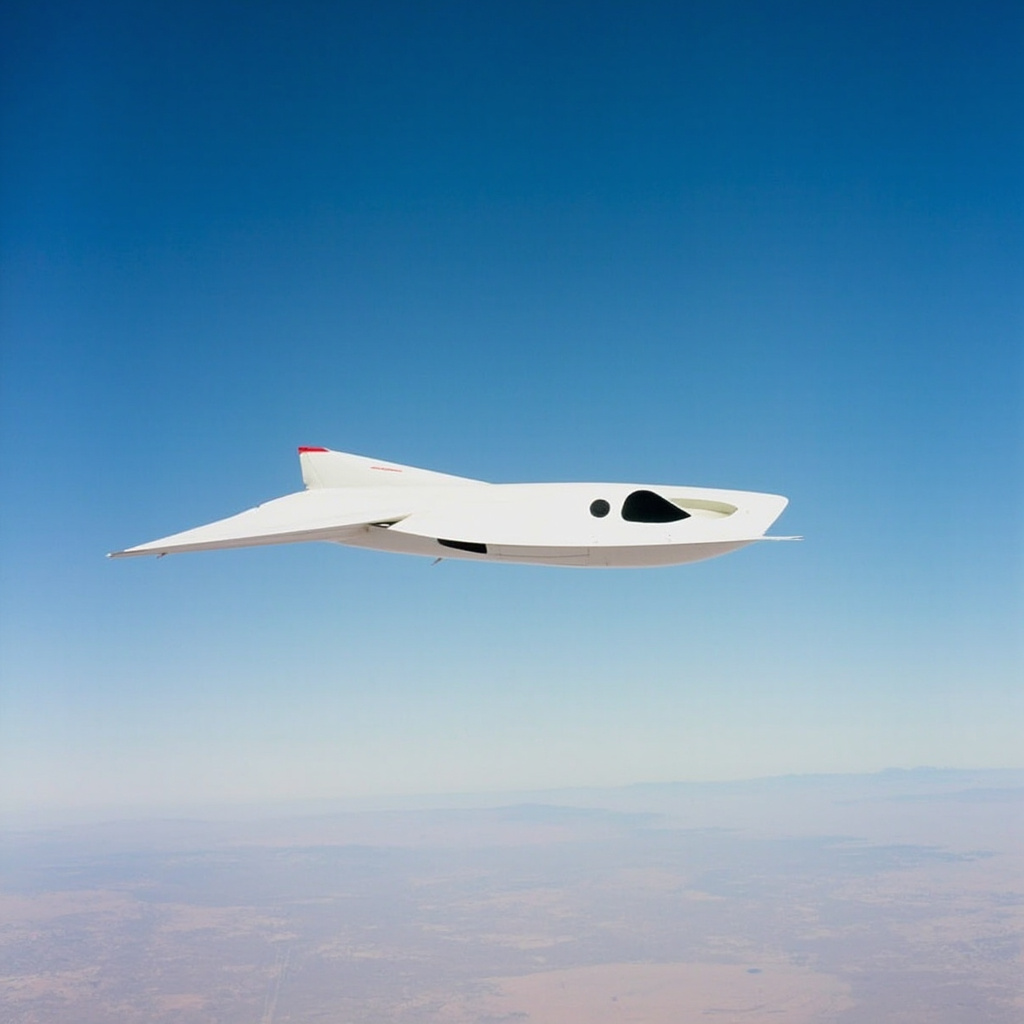
NASA's X-59 quiet supersonic aircraft completed its second flight on March 20 at Edwards Air Force Base, but the mission was shorter than planned. An in-flight caution indicator prompted pilot Jim "Clue" Less to land after approximately nine minutes — well short of the full test profile. [1] NASA characterized the flight as a success despite the abbreviation, noting the aircraft achieved its primary objective of becoming airborne for the second time in history.
The X-59, built by Lockheed Martin under NASA's Quesst program, is designed to produce a quiet "thump" rather than the disruptive sonic boom that led to the 1973 ban on commercial supersonic overland flight in the United States. The aircraft's elongated nose and carefully shaped fuselage redirect shockwaves to reduce ground-level noise to roughly 75 perceived decibels — comparable to a car door closing. [2]
The second flight kicks off what NASA calls "envelope expansion" — a series of dozens of test flights through 2026 that will gradually push the X-59 to higher speeds and altitudes. The ultimate goal is to fly the aircraft over American communities and measure public response to the reduced sonic signature. If the data proves the technology works, it could lead the FAA to revise rules that have kept commercial supersonic flight off-limits over land for half a century.
The early landing is a setback in schedule, not in concept. The X-59 flew. It landed safely. The next flight will push further.
-- KENJI NAKAMURA, Tokyo
Sources & X Posts
News Sources