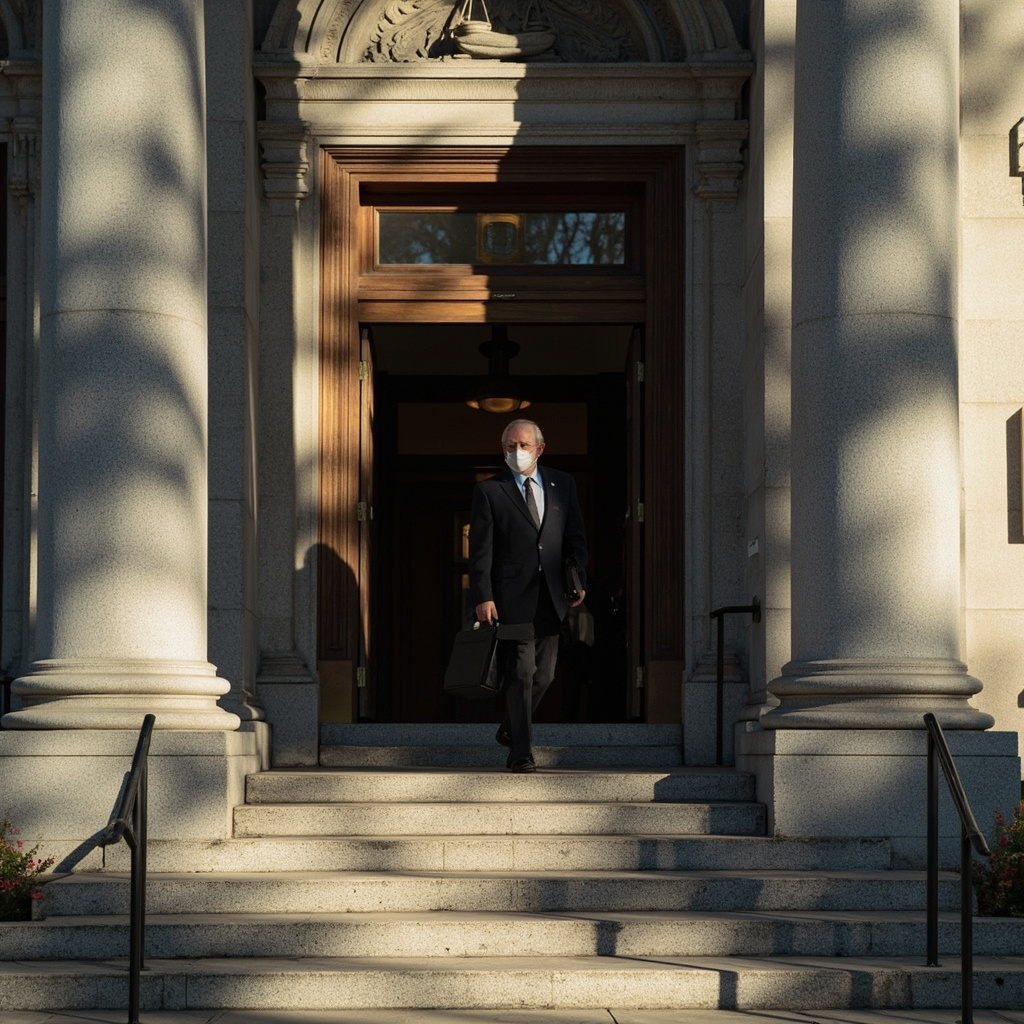
NewsGuard Technologies' lawsuit against the Federal Trade Commission has survived a motion to dismiss, clearing the path for discovery that could expose the inner workings of the government's campaign against the media-rating service [1].
The case, filed in February in U.S. District Court for the District of Columbia, accuses FTC Chairman Andrew Ferguson of "brazenly using [the agency's] power not for any issue concerning trade or commerce, but rather to censor speech" [2]. NewsGuard, which rates news websites for reliability, claims the FTC targeted it because Ferguson objected to its ratings of conservative outlets — a probe the company says was prompted by lobbying from Newsmax.
The Foundation for Individual Rights and Expression (FIRE) brought the suit on NewsGuard's behalf, framing it as a core First Amendment case [3]. The FTC's motion to dismiss argued the agency was exercising legitimate regulatory authority. Judge Dabney Friedrich's decision to let the case proceed signals that the court found the First Amendment claims plausible enough to warrant full litigation.
The discovery phase is where the case could become explosive. NewsGuard's attorneys will seek internal FTC communications, correspondence between the agency and political allies, and documents showing whether the investigation was motivated by policy concerns or political retaliation [4].
The FTC under Ferguson has also targeted Media Matters for America in a parallel investigation, suggesting a broader pattern of using regulatory power against media organizations that rate or critique conservative outlets.
-- Anna Weber, Berlin