TL;DR
Noma is closing permanently after Rene Redzepi's resignation, sponsor flight, and a $1,500-a-plate LA pop-up that collapsed under abuse allegations — the pop-up model didn't save fine dining.
MSM Perspective
The NYT broke the abuse allegations; PBS and the Guardian tracked the sponsor departures and Redzepi's resignation; the NY Post covered the LA pop-up's collapse.
X Perspective
Food media is split between mourning the loss of a creative institution and arguing that Noma's toxic culture was always part of the product.
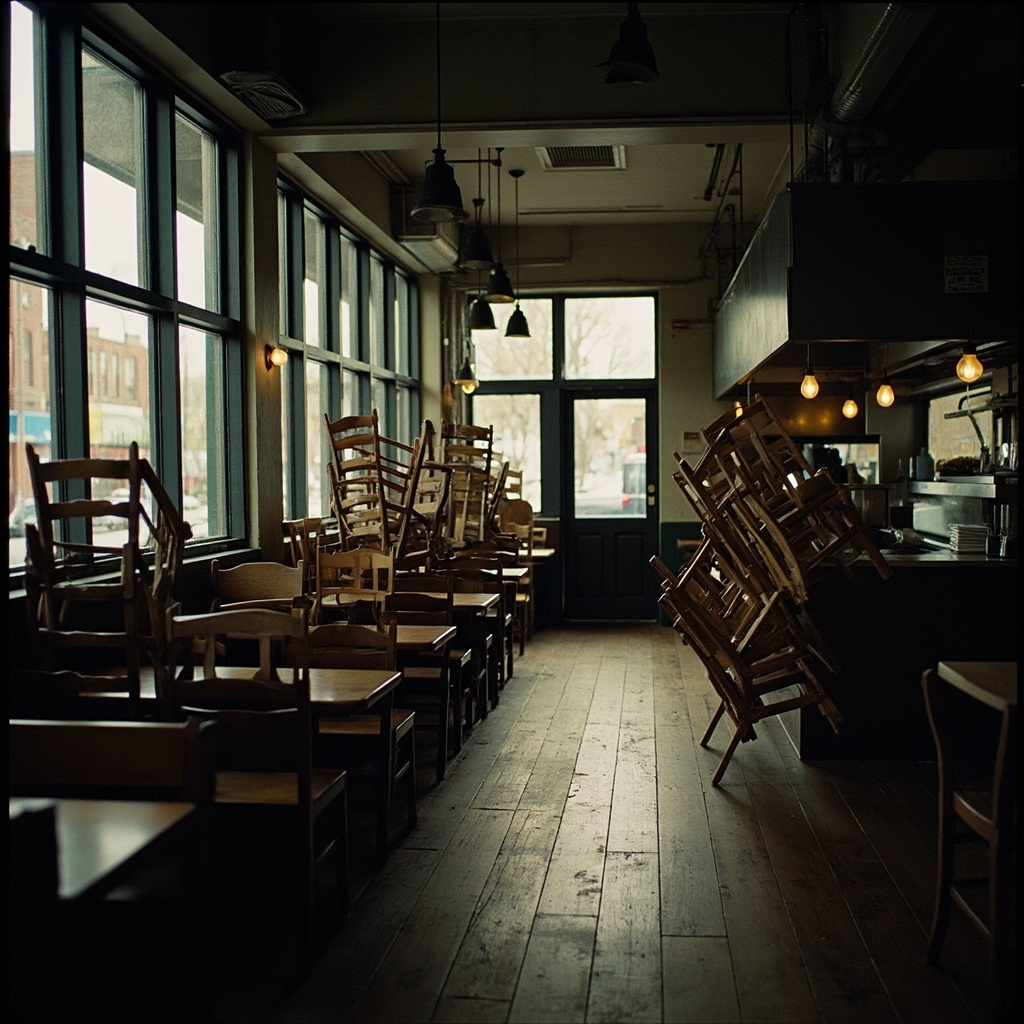
Noma is done. Not the temporary closure announced in 2023, when Rene Redzepi said the Copenhagen restaurant would reinvent itself as a food lab and pop-up operation. Not the seasonal pause between residencies. Done. The restaurant that was named the world's best five times, that redefined Nordic cuisine, that made foraging and fermentation into a global aesthetic, is closing permanently. [1]
The end came not from economics or exhaustion but from exposure. In early March, the New York Times published allegations from dozens of former employees describing a kitchen culture of physical abuse — punching, objects thrown at heads — overseen by Redzepi for over two decades. [2] Redzepi resigned from his role on March 11, the opening day of Noma's Los Angeles pop-up, a 16-week residency at the Paramour Estate in Silver Lake where tickets cost $1,500 per person. [3] American Express and Blackbird, the hospitality platform, cut ties immediately. [4] Reservations that had sold out in four minutes began hemorrhaging cancellations.
The LA pop-up was supposed to be proof of concept. When Redzepi announced in 2023 that Noma would close its permanent Copenhagen location, the plan was transformation, not termination. The restaurant would become a traveling operation — pop-ups in global cities, each one a limited run, each one generating the scarcity and exclusivity that drive fine dining's economics. The model had worked before, in Tokyo, in Tulum, in Sydney. Los Angeles was supposed to be the biggest and most ambitious iteration. [5]
Instead, it became the site of the restaurant's public unraveling. Protests greeted the pop-up's opening. Diners who had paid $1,500 found themselves navigating picket lines of former employees and labor activists. [3] The LA Times reported that the pop-up would continue as scheduled even after Redzepi's departure. Within days, that plan too collapsed. The New York Post's headline — "Doomsday for Noma LA as diners flee" — captured the trajectory with tabloid efficiency. [6]
The pop-up model was supposed to solve fine dining's fundamental contradiction: the food requires obsessive labor, but the economics cannot support the labor fairly. A fixed restaurant carries rent, permits, a permanent staff, and the relentless expectation of consistency. A pop-up externalizes those costs — temporary space, temporary staff, temporary expectations. The price per plate can be astronomical because the experience is explicitly finite.
What the model could not externalize was accountability. In a permanent restaurant, abuse can be rationalized as the cost of excellence — the culture of the brigade, the intensity of the kitchen, the Michelin stars that justify everything. In a pop-up, the abuse follows the chef, because the chef is the brand. Redzepi was Noma. When the allegations attached to him, they attached to every plate, every pop-up, every $1,500 ticket.
The response from the fine dining world has been instructive in its divisions. Some mourned the loss of what Noma represented — a kitchen that changed how the world thought about food, about place, about the relationship between nature and cuisine. The PBS obituary called it "the top restaurant in the world." [1] Others argued that the abuse was never separate from the food — that the culture that produced those plates also produced the violence, and that celebrating one while deploring the other is a form of denial.
The Copenhagen restaurant employed approximately 100 people at its peak. The pop-up model employed far fewer, on shorter contracts, with less stability. The workers who described abuse to the Times spanned the restaurant's entire 23-year history. Some were stagiaires — unpaid or barely paid interns who worked 14-hour days for the prestige of a Noma line on their resume. The system ran on a currency of reputation, and the currency just defaulted.
Noma's contribution to food is real and will outlast the restaurant. The techniques — fermentation, foraging, hyper-local sourcing — have been absorbed by kitchens worldwide. The idea that a restaurant could be an intellectual project, not just a business, influenced a generation of chefs. That idea is not invalidated by the allegations. But it is complicated by them, permanently.
The pop-up model did not save fine dining. It revealed that fine dining's problems are not structural but cultural — rooted in a tolerance for abuse that no business model can paper over. Noma is closing. The question it leaves behind is not about restaurants. It is about what we are willing to tolerate in exchange for beauty.
-- CAMILLE BEAUMONT, Copenhagen
Sources & X Posts
News Sources