TL;DR
Olive Garden and Cheesecake Factory are adding GLP-1-friendly menus — and the FDA just approved a higher-dose Wegovy that may accelerate the shift.
MSM Perspective
Fortune covered the restaurant menu changes as a lifestyle trend; the FDA approval of Wegovy HD received clinical coverage focused on the 20.7% weight loss data.
X Perspective
Health and finance accounts on X are tracking the GLP-1 restaurant trend as an emerging investment thesis — the drugs are redesigning American consumer behavior in real time.
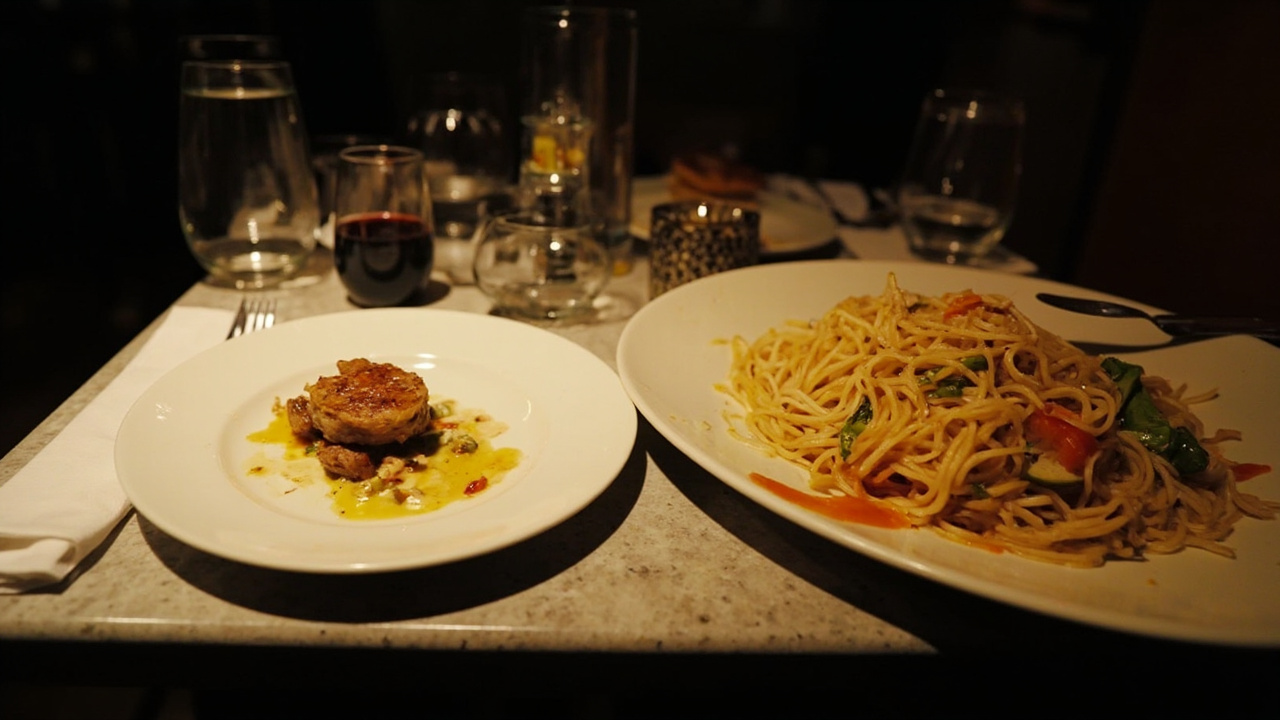
The Cheesecake Factory, a restaurant whose original menu reads like a dare, now offers a section designed for customers taking weight-loss drugs. Olive Garden has done the same. McDonald's addressed the phenomenon on its most recent earnings call. The question is no longer whether GLP-1 medications like Ozempic, Wegovy, and Mounjaro will reshape the American food industry. The question is how fast. [1]
The pharmacology is straightforward. GLP-1 receptor agonists reduce appetite, slow gastric emptying, and change the relationship between a person and a plate of food. Patients on these drugs eat less, eat differently, and frequently report that foods they once craved — high-fat, high-sugar, the bread basket — no longer appeal. A drug that changes what 30 million Americans want to eat changes what restaurants need to serve. [2]
The menu adaptations share common features: higher protein, smaller portions, lower sugar, and prominent calorie counts. The Cheesecake Factory's new offerings sit alongside the 250-item menu that made the chain famous, which means a single restaurant now maintains two parallel food philosophies — the old abundance and the new restraint — separated by a page turn.
The timing is sharpened by the FDA's approval last week of Wegovy HD, a higher-dose formulation of semaglutide at 7.2 milligrams. The Phase 3 trial showed 20.7 percent mean body weight loss, a significant improvement over the standard dose. The approval came through the National Priority Voucher program in just 54 days, a speed that suggests the regulatory apparatus has decided these drugs are important enough to fast-track. More weight loss per injection means more patients reaching the point where their eating habits change permanently.
The downstream economics are considerable. Restaurant chains build their business models around check averages — the amount each customer spends per visit. Smaller portions and fewer courses mean lower check averages unless restaurants can charge a premium for the "GLP-1-friendly" designation, which some already are. A $22 protein bowl replaces a $28 pasta entree plus a $12 appetizer, and the restaurant's revenue per table drops by 40 percent.
The food industry's response reveals something about how medicine and commerce interact in America. No one at Olive Garden decided that smaller portions were a culinary virtue. A pharmaceutical product created a new consumer segment, and the restaurants followed the money. The drug redesigned the demand. The menu redesigned itself.
Thirty million prescriptions. Sixty billion dollars in annual drug revenue. And now the Cheesecake Factory has a section for people who do not want cheesecake.
-- Kenji Nakamura, Tokyo
Sources & X Posts
News Sources
X Posts