TL;DR
Olive Garden, Cheesecake Factory, and Chipotle are all cutting portion sizes and adding high-protein menus to serve customers on GLP-1 drugs.
MSM Perspective
Fortune and NBC News report the menu changes as the food industry's most significant structural shift since the low-carb movement.
X Perspective
Chefs on X say the trend reduces cooking to calorie math and strips the joy from dining, while restaurant stocks are repricing around GLP-1 assumptions.
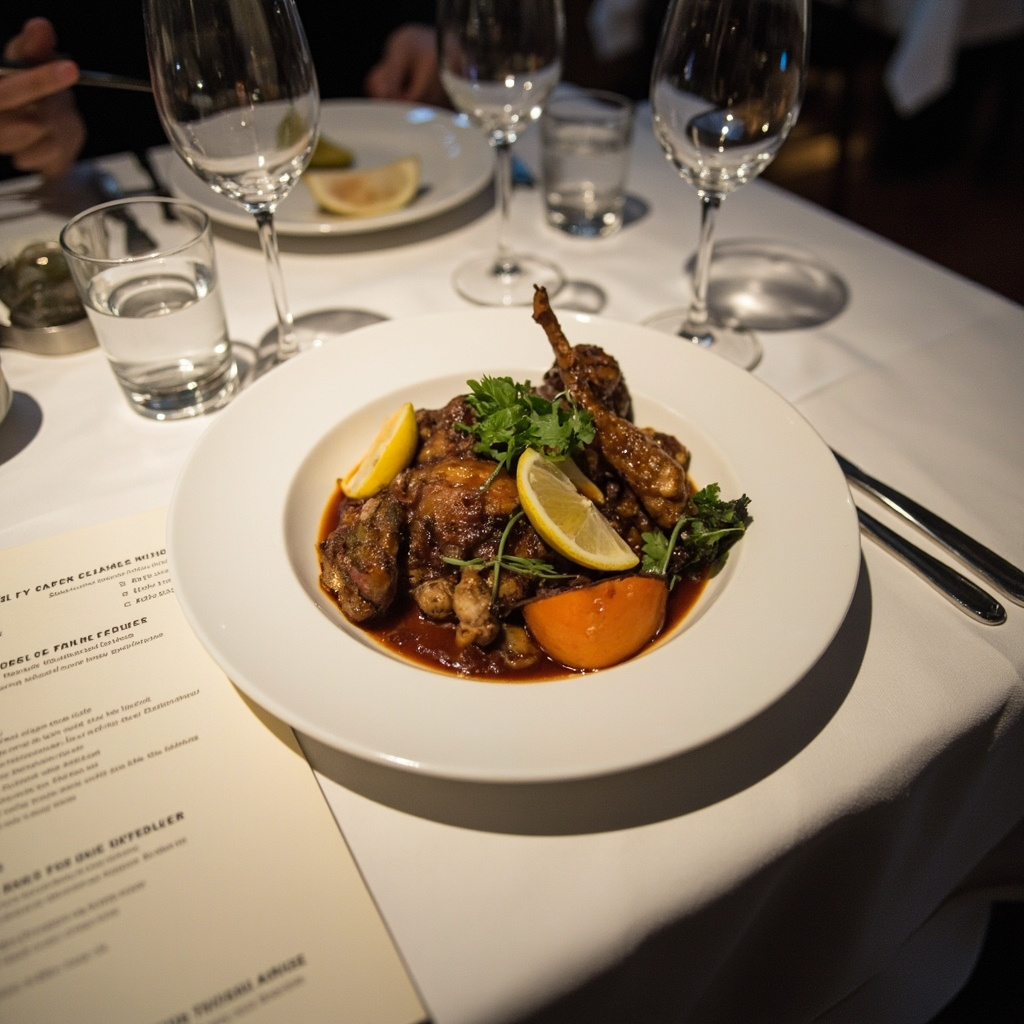
The biggest new restaurant trend in America is small. Olive Garden introduced a reduced-portion menu in February. The Cheesecake Factory followed in March. Chipotle now offers half-size bowls. Subway has a "light" category. And the reason is not a sudden national commitment to moderation. It is Ozempic [1].
As we noted in our previous coverage, the restaurant industry has been quietly adjusting to the GLP-1 revolution for months. But the pace of change in early 2026 has shifted from quiet adjustment to structural redesign.
Fortune reported that the "Ozempic menu" trend has gone mainstream, with Olive Garden and The Cheesecake Factory -- two chains built on abundant portions -- cutting back on serving sizes and adding protein-forward, nutrient-dense options specifically designed for customers whose appetites have been pharmacologically reduced [2]. NBC News described the changes as "quiet" but systemic, with national chains redesigning menus around smaller portions and higher protein content [3].
Tasting Table documented the trend in a comprehensive feature, noting that the shift is not limited to chain restaurants. Independent fine-dining establishments in New York, Chicago, and Los Angeles are introducing tasting menus with smaller courses, marketing them as "wellness-focused" without explicitly naming GLP-1 drugs [4].
The economics are straightforward. An estimated 10 million Americans are now taking GLP-1 medications, and the oral Wegovy pill is adding patients at a rate of roughly 40,000 per week. Those patients eat less. They order fewer appetizers, skip dessert, and drink less alcohol. For restaurants operating on thin margins, the revenue impact is measurable [5].
WYPR reported that the portion reduction trend extends to customers who are not on GLP-1 drugs. "We're seeing a trend toward smaller portions, and even with people who are not on GLP-1 drugs," said one restaurant executive, describing a cultural shift in which the supersized American meal is falling out of fashion [6].
The chefs are not universally happy. The Philadelphia Inquirer reported that some independent restaurant owners view the trend as reducing cooking to nutritional arithmetic. "I didn't open a restaurant to count macros," one Philadelphia chef told the paper [7]. St. Louis Magazine covered a local chef who described the trend as "the death of the second drink" and predicted it would reshape wine programs as fundamentally as it has changed food menus.
Fox News reported that chains including Subway, Noodles & Company, and Panera are all testing or launching smaller-portion, high-protein options [8]. The industry's message is clear: the customer has changed, and the menu must follow. Whether the food gets better or just gets smaller is a question the chefs are still answering.
-- MAYA CALLOWAY, New York
Sources & X Posts
News Sources