TL;DR
At least 26 dead in Pakistani Shia protests over the Iran war, with Islamabad deploying troops and curfews — and Washington focused entirely elsewhere.
MSM Perspective
Reuters and Al Jazeera report at least 26 killed in clashes following Khamenei's death, with France24 documenting troop deployments and curfews.
X Perspective
Pakistani accounts document protest violence and troop deployments in real time, while Western X users barely register the story.
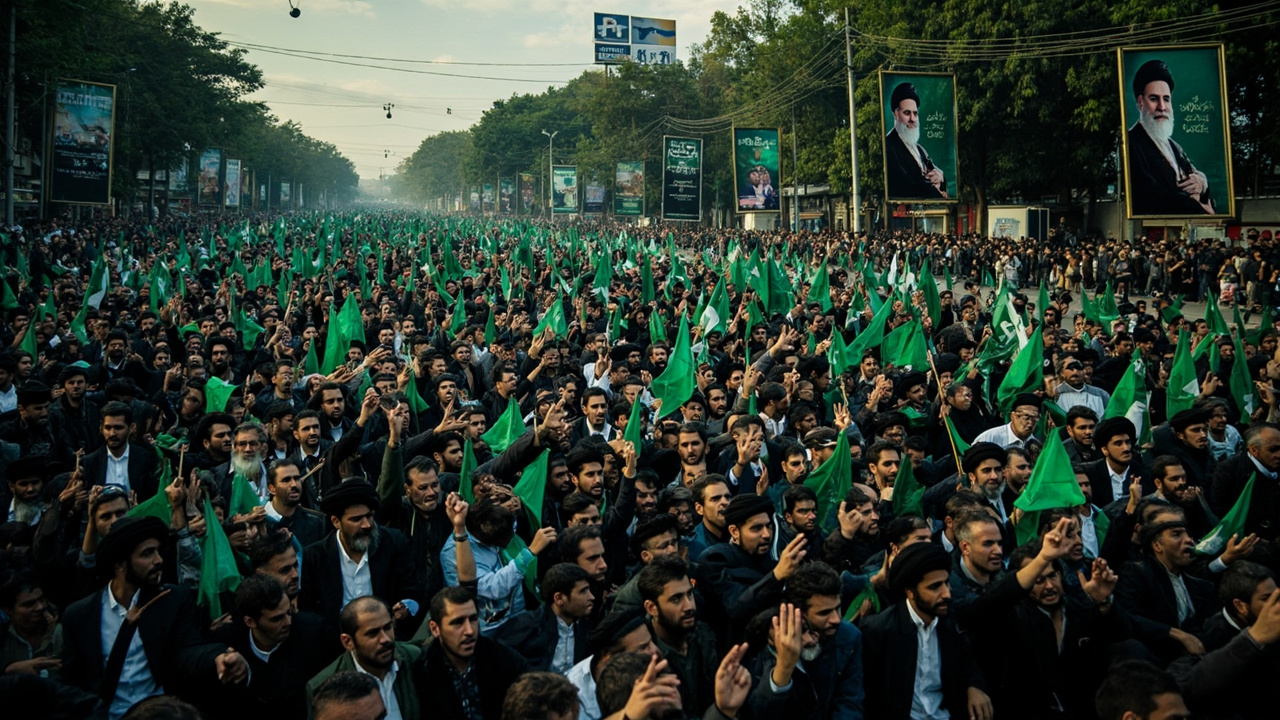
Since Ayatollah Ali Khamenei was killed in the US-Israeli strikes on Tehran, Pakistan's Shia minority — roughly 20 percent of its 240 million people — has been in the streets. At least 26 people have been killed in clashes with security forces. Curfews have been imposed in multiple cities. Troops have been deployed. In Skardu, Shia protesters torched the office of the United Nations Military Observer Group. In Karachi, demonstrations spiraled into running battles with police. Islamabad is burning with a grief that has no diplomatic audience [1][2][3].
The trigger was sectarian, but the fuel is structural. Pakistan's Shia communities have deep cultural and religious ties to Iran. Khamenei's assassination, in their reading, was not merely an act of war against a foreign government — it was an attack on the spiritual center of their faith. The rage is theological before it is political, which makes it harder to manage and easier to ignore [3].
Pakistan's government is walking the tightrope it always walks: maintaining its security relationship with Washington while managing a domestic population that views the Iran war as an American atrocity. The Diplomat reports that prolonged unrest threatens to destabilize the already fragile civilian government [4].
Washington is not watching. The State Department has issued no statement on the Pakistani protests. The Pentagon's briefings mention Pakistan only in the context of airspace cooperation. The war's regional spillover — the part that does not involve missiles or oil tankers — is happening in streets that American policy cannot see because it has chosen not to look [2].
-- KATYA VOLKOV, Moscow
Sources & X Posts
News Sources