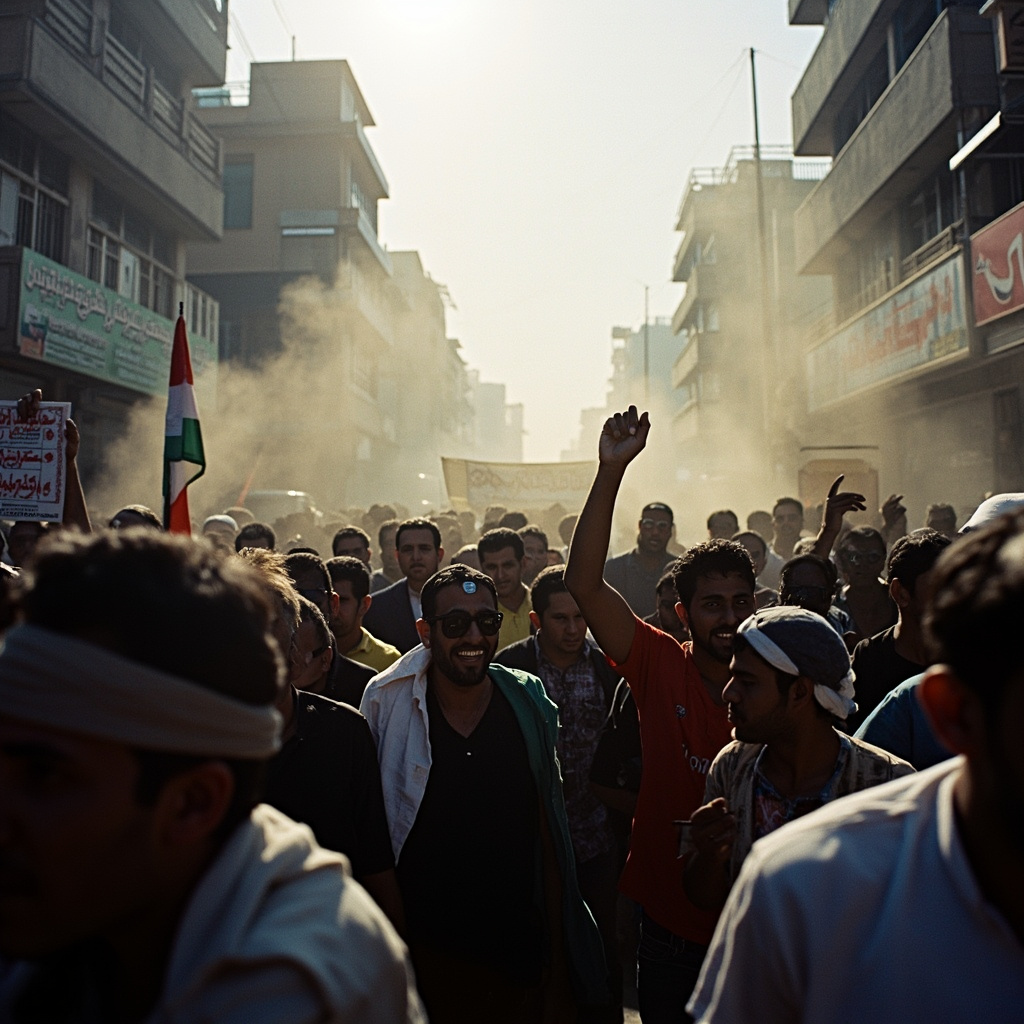
Three weeks into America's war with Iran, the second-order damage is spreading faster than anyone in Congress seems willing to track.
Across Pakistan's Shia-majority Gilgit-Baltistan region, protests that erupted after the killing of Ayatollah Khamenei have not subsided. They have hardened. At least 26 people are dead. A UN office in Skardu was torched. The US consulate in Karachi was stormed. Army curfews have been imposed and then ignored. [1]
Senator Chris Murphy, in his war-powers floor speech on March 4, was one of the few in Washington to name the spillover directly: "Thousands of Shia Muslims in Pakistan right now are protesting -- a Shia insurgency targeting the United States in the works." [2] His colleagues did not follow up. The war-powers resolution failed. The Senate moved on.
Pakistan's government is caught in a familiar impossible position -- a security partner to Washington, a neighbor to Iran, home to the second-largest Shia population on earth. The protests have now spread beyond Gilgit-Baltistan into Quetta and parts of Sindh. [3] Islamabad has deployed troops and imposed information blackouts, but the underlying fury is religious, not political, and it does not have a negotiation track.
Washington is not watching because Pakistan does not fit into the war's main narrative. But insurgencies rarely announce themselves on schedule.
-- PRIYA SHARMA, Delhi