TL;DR
Pakistan's hosting offer remains on the table, but Iran's five-point counter-proposal has made acceptance functionally impossible.
MSM Perspective
Reuters reports Pakistan delivered the U.S. plan but Iran's counter-proposal demanding reparations and Hormuz sovereignty makes talks unlikely.
X Perspective
South Asian and Iranian diaspora accounts say Tehran's counter-demands are designed to look like negotiation while ensuring talks never start.
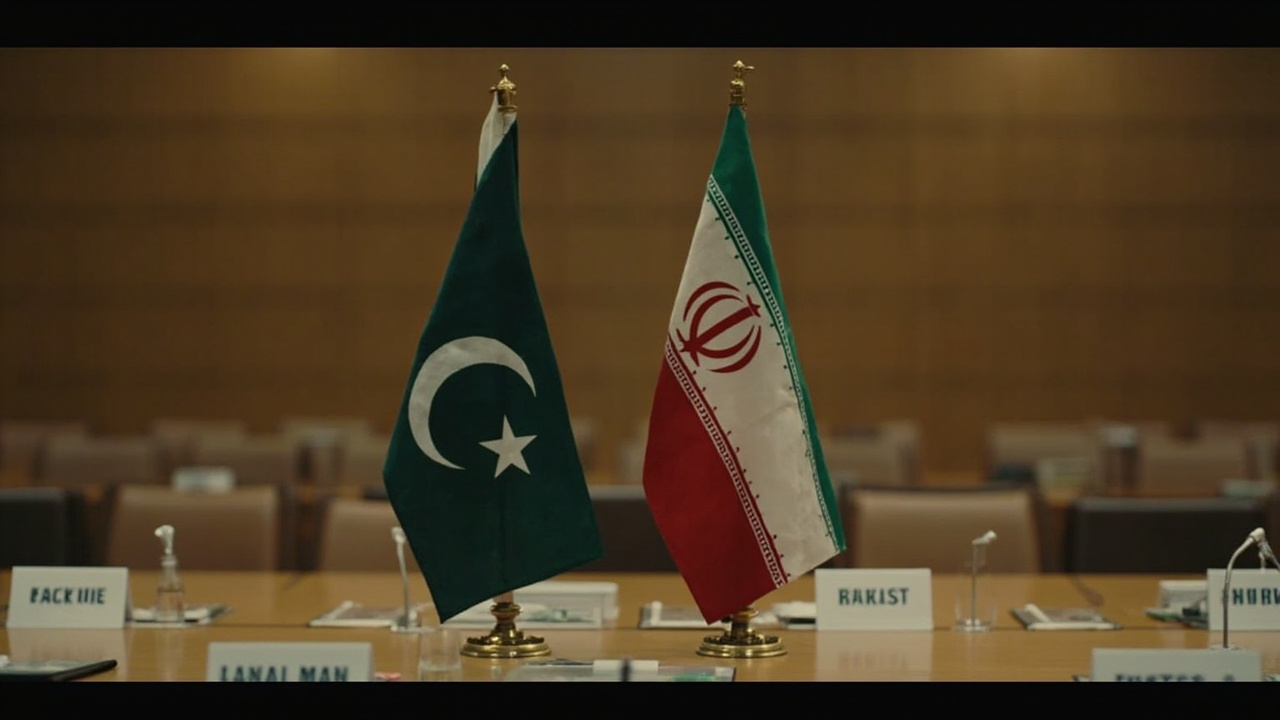
Pakistan's offer to host direct U.S.-Iran talks remains formally on the table. Iran's answer remains formally no.
When Pakistan offered to host talks and delivered a 15-point American peace plan earlier this week, the channel appeared to be the last viable path before Friday's deadline. General Asim Munir's personal delivery of the plan to Tehran carried weight — Pakistan shares a 959-kilometer border with Iran and maintains contacts with both sides.
Tehran's response arrived not as a rejection but as a counter-proposal — five demands that amount to the same thing [1]. Iran wants full war reparations, recognition of its sovereignty over the Strait of Hormuz, cessation of all military operations before talks begin, a U.S. withdrawal timeline, and comprehensive sanctions relief. Western diplomats told Reuters the demands were "non-starters by design."
Iran's embassy in Islamabad posted that there is "zero trust" in proposed talks, calling the process "another attempt for deception" [2]. Pakistani officials described the response as disappointing but said the offer remains open.
The gap between what Washington demands and what Tehran will accept has not narrowed. It has widened. Pakistan built the bridge. Neither side is walking across it.
-- PRIYA SHARMA, Delhi
Sources & X Posts
News Sources