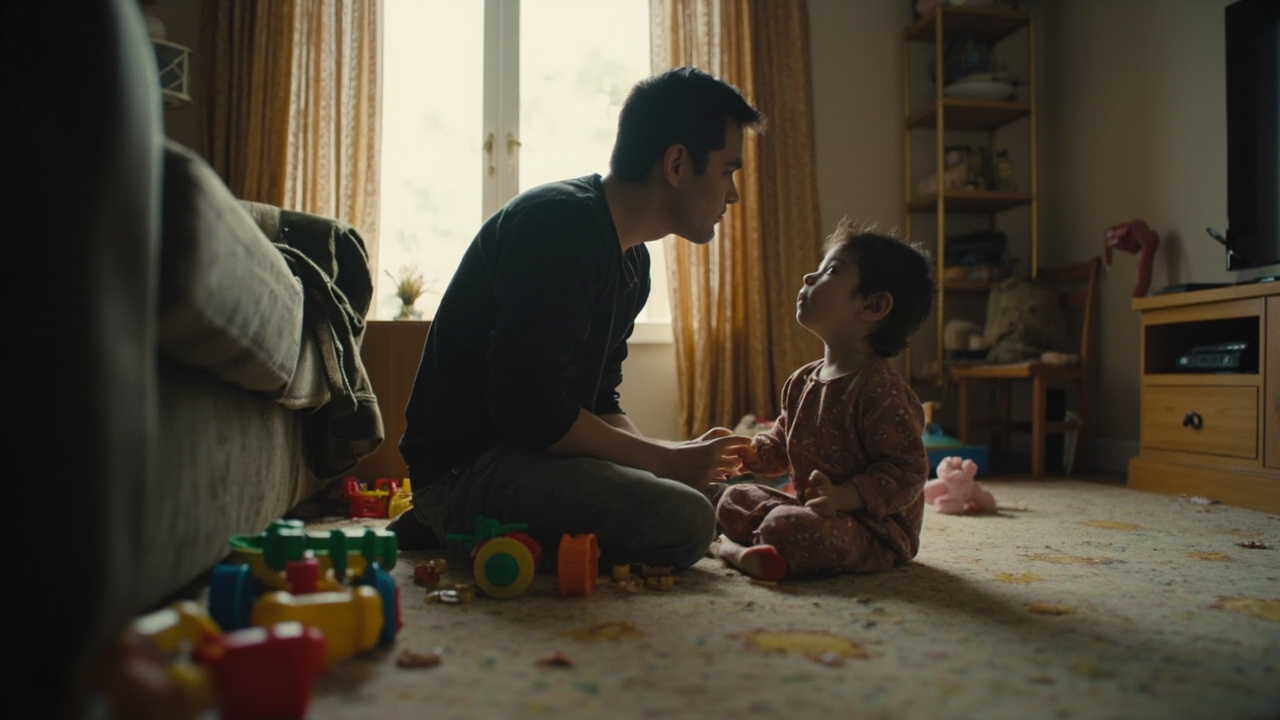
Gentle parenting had a remarkable run. For the better part of five years, it dominated parenting discourse with a simple premise: validate feelings, explain consequences, never punish. It produced a generation of Instagram-worthy dialogues between parents and toddlers that read like therapy transcripts. It also, by many accounts, produced a generation of exhausted parents who spent forty-five minutes narrating the emotional landscape of a spilled juice box.
Pinterest's first-ever Parenting Trend Report, released in February 2026, measured the backlash. The platform's 600 million users are searching for "hybrid parenting" — a mix-and-match approach that borrows from gentle parenting's emotional vocabulary while reintroducing structure that the gentle framework discarded. Time-outs are back. Firm boundaries are back. The 27-step process for explaining why we don't throw blocks is, apparently, out. [1]
Scary Mommy catalogued the specific trends millennials are abandoning in 2026: elaborate chore charts that required more parental labor than the chores themselves, "emotion coaching" scripts that toddlers found baffling, and the implicit premise that any expression of parental authority constituted emotional damage. The replacement is not authoritarian parenting. It is something more pragmatic — what Today's Parent called "kind but firm," a phrase that would have been unremarkable in any decade before the 2020s. [2]
The deeper signal is that millennial parents are exhausted by performative parenting — the social media pressure to narrate every disciplinary choice as a therapeutic intervention. The hybrid model's appeal is permission to parent by instinct again, imperfectly, without documenting it.
-- MAYA CALLOWAY, New York