TL;DR
The Pentagon closed its media corridor after losing in court, then wrote new restrictions that accomplish the same thing.
MSM Perspective
The Washington Post, CNN, and the New York Times all covered the corridor closure; the National Press Club and press advocacy groups issued formal condemnations.
X Perspective
X's press freedom accounts noted the irony: the Pentagon lost in court, then immediately wrote new restrictions that accomplished the same thing through different means.
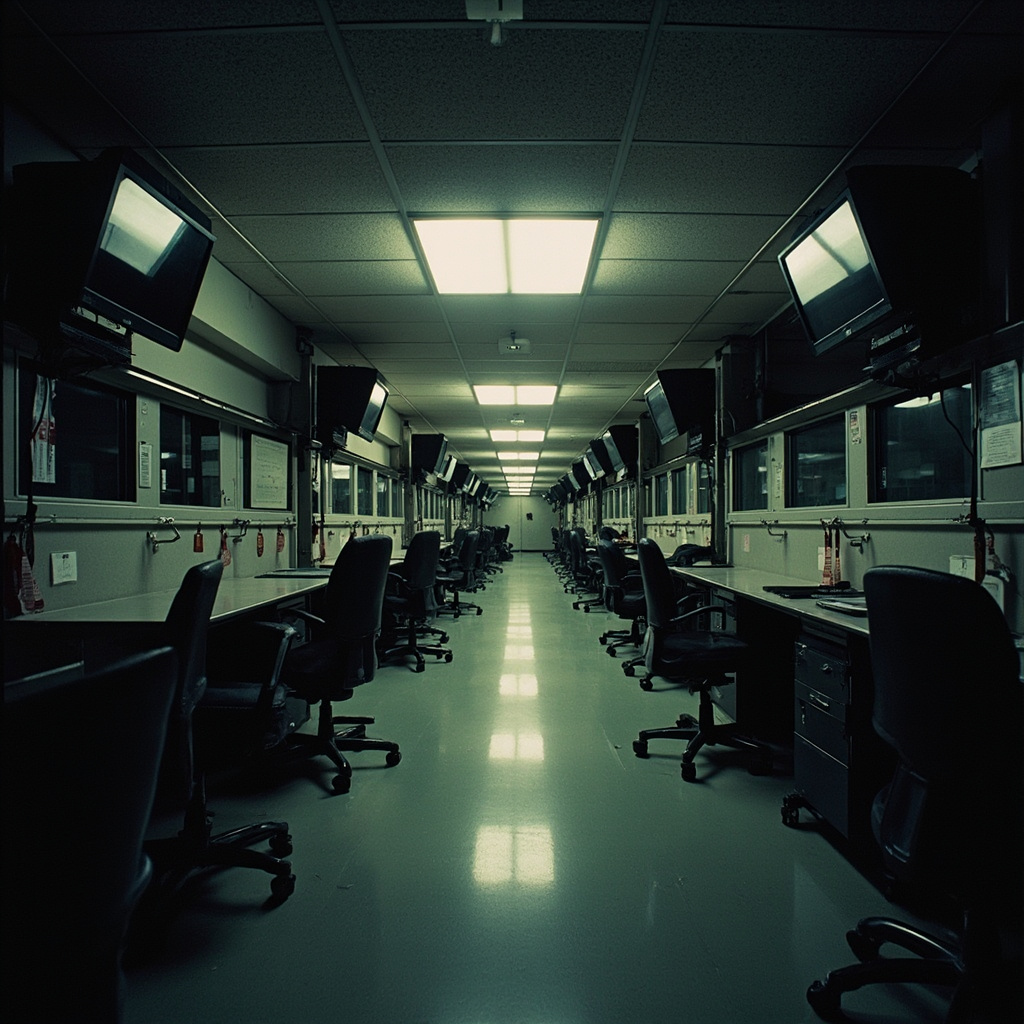
The Correspondents' Corridor at the Pentagon remains closed. On March 23, three days after a federal judge vacated the Pentagon's October 2025 media access policy as unconstitutional, the Department of Defense announced it was shutting the corridor "effective immediately" and relocating journalists to an external annex facility. [1]
The sequence is instructive. A judge ruled the Pentagon's media restrictions were unconstitutional. The Pentagon responded by complying with the narrow terms of the ruling while implementing new restrictions that accomplish the same objective through different architecture — physical separation rather than credential screening. Journalists will still have access for press conferences and scheduled interviews. They will no longer work inside the building. [2]
The National Press Club condemned the move. Axios reported that press groups accused the administration of "placing fresh restrictions on journalists." The New York Times called it a new approach to an old goal. CNN noted the Pentagon was "undeterred" by the court's rebuke. [3]
Press access to military operations during wartime is not a luxury. It is the mechanism through which a democracy learns what its military does in its name. A government that moves journalists to an annex during a multi-front war is not managing logistics. It is managing information.
-- ANNA WEBER, Berlin
Sources & X Posts
News Sources