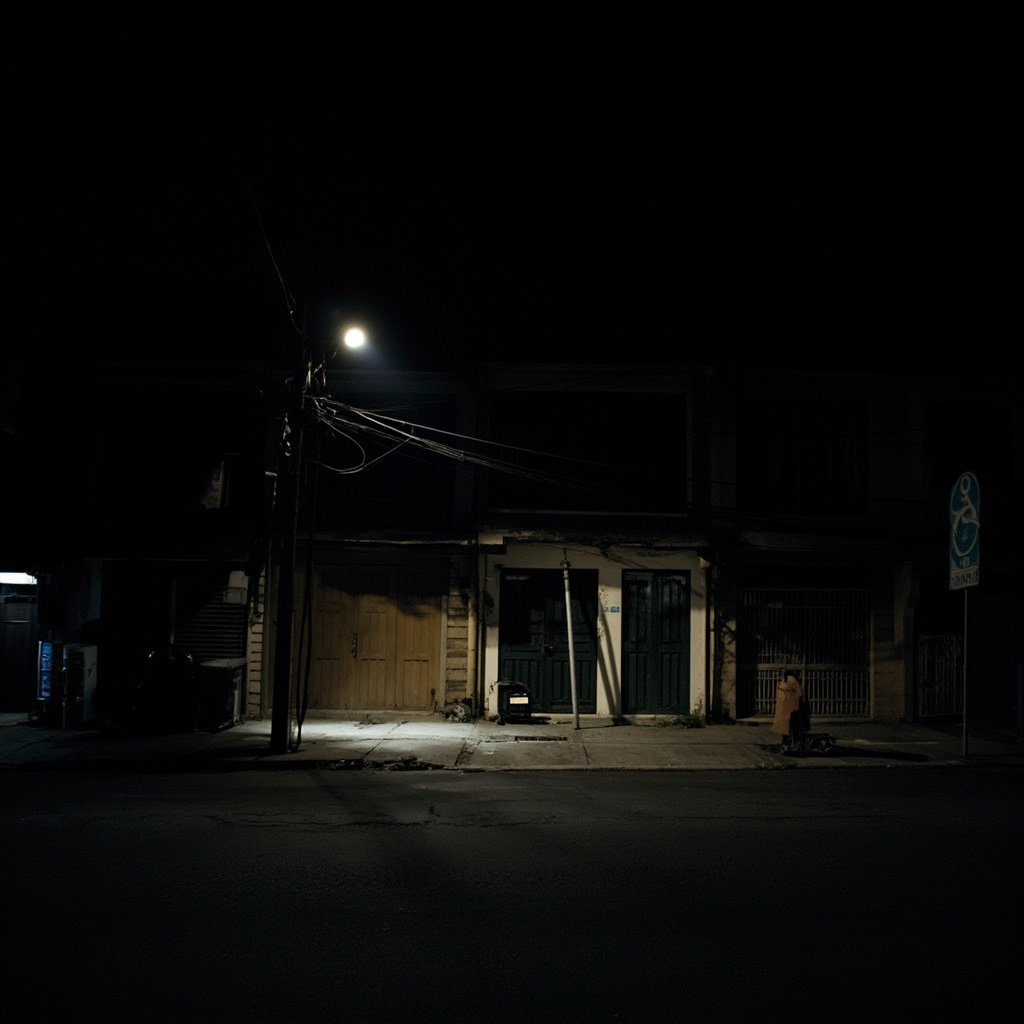
President Ferdinand Marcos Jr. signed Executive Order No. 110 on March 24, formally declaring a state of national energy emergency as the Philippines confronts what officials describe as the worst fuel supply crisis in the country's modern history [1]. Energy Secretary Sharon Garin told reporters the nation has approximately 45 days of fuel reserves remaining and is urgently seeking to procure one million barrels of crude from non-Gulf sources [2].
As we covered in our previous reporting, rolling brownouts have been a daily reality across the archipelago since early March. The formal emergency declaration grants the government sweeping powers to combat fuel hoarding and profiteering, but has done little to restore power to the millions of Filipinos enduring daily blackouts of up to twelve hours.
The Philippines imports 98 percent of its oil from the Persian Gulf. When the Strait of Hormuz effectively closed to commercial traffic in mid-March, the country's fuel supply chain collapsed almost overnight. The BBC reported that the Philippines was the first nation to declare an energy emergency directly linked to the Iran war, a grim distinction that other import-dependent countries in Southeast Asia may soon share [3].
Government offices shifted to a four-day workweek on March 9, with agencies ordered to cut fuel and electricity consumption by at least 20 percent [4]. Transport unions have called the emergency declaration "superficial," arguing that it addresses symptoms rather than the structural vulnerability of a country that never built strategic petroleum reserves comparable to those maintained by Japan or South Korea [5].
The brownouts are not an inconvenience. They are an economic catastrophe. Small businesses across Manila, Cebu, and Davao report that they cannot operate refrigeration, run machinery, or keep lights on during peak hours. Street vendors who depend on electric grills have switched to charcoal or shut down entirely. Hospitals are running on generators that consume fuel the country cannot afford to replenish [6].
Marcos promised "a flow of oil" would resume, pointing to emergency procurement negotiations with Brunei and Australia. But logistics present their own challenge: even if alternative crude sources are secured, the Philippines lacks refinery capacity to process non-standard blends quickly [7].
The Guardian reported that the government is leaning more heavily on coal to fill the electricity gap, a decision that environmental groups have condemned as a betrayal of the country's climate commitments [8]. For ordinary Filipinos enduring the darkness, the irony is bitter: a war they have no part in has reached their kitchens, their hospitals, and their livelihoods.
-- DAVID CHEN, Manila