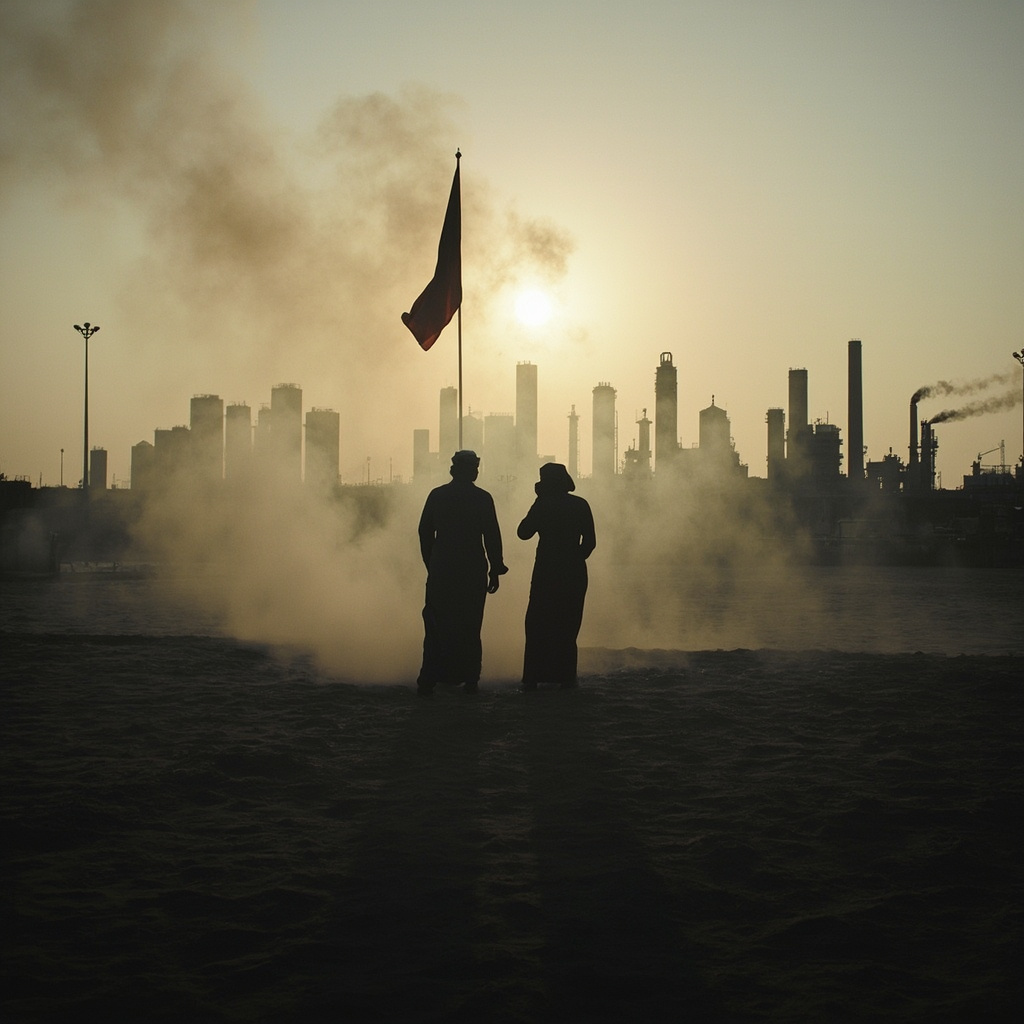
TL;DR
After damage at Ras Laffan, Qatar ordered Iran's military and security attachés to leave within 24 hours. That move matters because it signals the Gulf's balancing acts are getting harder to maintain once energy infrastructure is directly hit.
MSM Perspective
CNN and Al Jazeera both emphasize the expulsion order as a diplomatic response to extensive damage at Ras Laffan. The mainstream takeaway is not that Qatar is choosing open confrontation, but that it can no longer pretend infrastructure war is a manageable abstraction.
X Perspective
X reads Qatar's move as proof the Gulf can no longer hedge forever between economic realism and strategic fear. Some accounts see it as overdue seriousness; others see it as symbolic diplomacy in search of harder deterrence.
Missiles can make diplomacy less ambiguous very quickly.
After reporting extensive damage at Ras Laffan, Qatar ordered Iran's military and security attachés to leave within 24 hours. [1][2] That is not the behavior of a state that still believes it can absorb this war as background risk while keeping every channel politely ajar.
Qatar has spent years practicing the art of regional flexibility: host American power, keep lines open, survive proximity. Energy war narrows that room.
The expulsion order does not mean Doha has abandoned caution. It means caution now has to coexist with visible damage to the infrastructure that underwrites the country's economic and diplomatic weight.
Yesterday's Gulf sites story showed the opening strike pattern. The March 20 lesson is diplomatic rather than kinetic. Once the LNG hub is burning, neutrality starts sounding less like sophistication and more like delay.
-- YOSEF STERN, Jerusalem