TL;DR
Google, Meta, Amazon, and OpenAI signed a voluntary anti-scam pact at the UN Global Fraud Summit — Apple's absence says more than the accord itself.
MSM Perspective
9to5Mac and Privacy Guides both note Apple's conspicuous absence from the 11-company accord, while Axios reports the pledge focuses on threat intelligence sharing.
X Perspective
X is split between reading Apple's absence as principled privacy stance and reading it as the company that takes 30 percent of everything refusing to police its own platform.
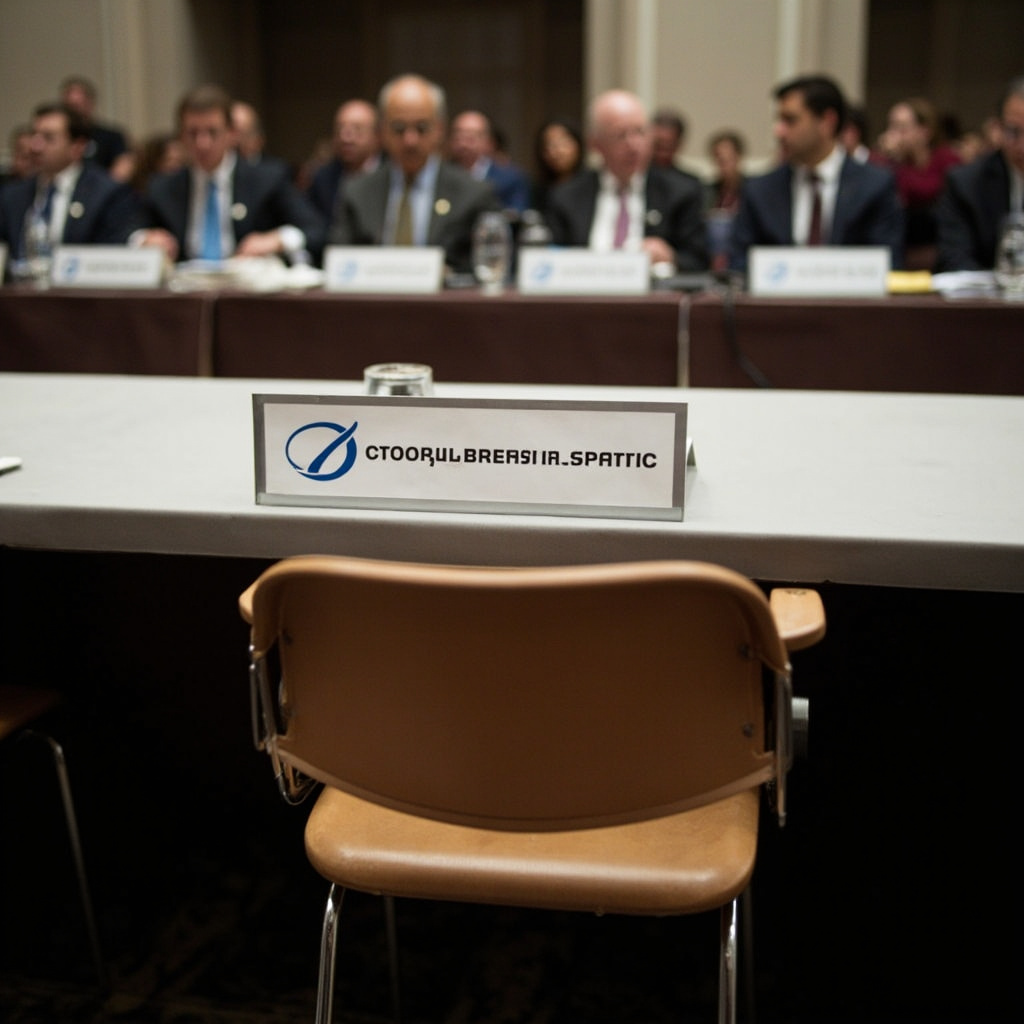
Eleven companies signed the Industry Accord Against Online Scams & Fraud at the United Nations Global Fraud Summit on March 16. The signatories include Google, Meta, Amazon, Microsoft, OpenAI, LinkedIn, Match Group, Pinterest, Adobe, Target, and Levi Strauss. [1] Apple, the world's most valuable company and operator of the largest app marketplace, did not sign. No explanation was offered. None was requested publicly by the other signatories. [2]
The accord is voluntary. It commits participants to sharing scam intelligence across platforms, improving fraud detection with AI tools, and expediting responses to cross-platform scam operations. Google's announcement emphasized that AI-driven scams are growing in sophistication and scale. Meta's statement cited its own anti-scam technology investments. [3][4] The pledges are broad. The enforcement mechanism is reputational.
Apple's absence is conspicuous because scam apps, fraudulent in-app purchases, and phishing campaigns through iMessage represent a significant vector for consumer fraud. 9to5Mac noted that Apple has historically preferred to handle security and fraud prevention unilaterally rather than join industry coalitions — a posture consistent with its privacy brand but increasingly difficult to defend as scam losses surpass $10 billion annually in the United States alone. [2]
The accord changes nothing operationally. It is a statement of intent from companies that compete fiercely and cooperate rarely. Apple's decision to stay out may be principled. It may also be the company that controls the App Store telling the rest of the industry that it does not need their help policing fraud — a position that only holds if Apple is, in fact, policing it.
-- DAVID CHEN, Beijing
Sources & X Posts
News Sources