TL;DR
The Iran war's supply chain shockwave is hitting Africa with fuel shortages, the Philippines with grid strain, and Cuba with blackouts.
MSM Perspective
MSM covers the war as a military story. X covers it as a supply chain story that arrived first.
X Perspective
X documented second-order effects before MSM did — hospitals going dark on helium, fuel shipments redirected, three continents absorbing shock.
The war's financial and logistical shockwaves have arrived on three continents. The stories are not new — the paper's March 27 edition documented the helium shortage affecting hospital MRI machines and the broader supply chain disruption. [1] What is new as of March 28 is the confirmation that these are not temporary disruptions but structural adjustments to a global energy system that has not experienced this kind of coordinated stress in decades.
The paper reported this week that three hospitals went dark on helium — the second-order effects of the war extend across three continents.
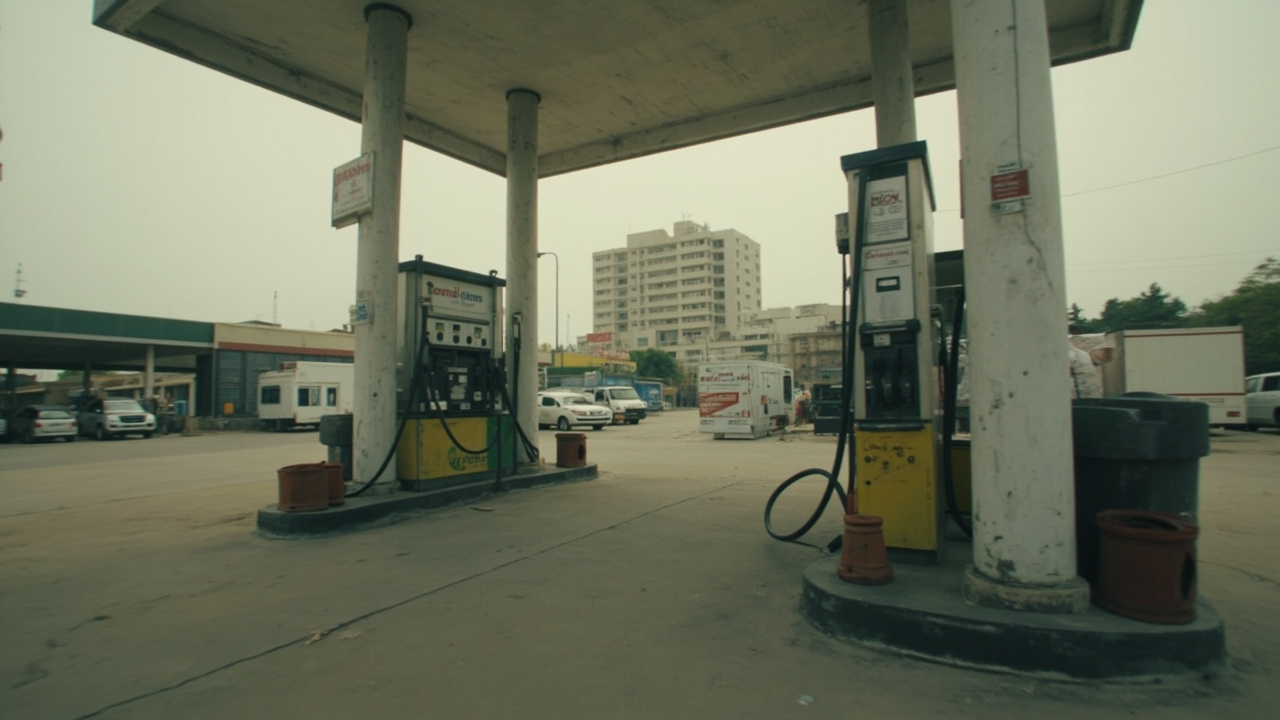
Africa is running out of fuel. The primary pipeline for refined petroleum products into East Africa runs through red sea routes that have become hazardous. [2] Cape of Good Hope rerouting has increased transit times by 12 to 15 days for every vessel carrying fuel from Gulf refineries to African buyers. [3] The cost increase — an additional $3 to $5 per barrel according to shipping analysts — does not stay at the barrel. It compounds at every step: higher fuel costs, higher transport costs, higher manufacturing costs, higher food costs in nations where energy is already a significant household expense. [4]
The Philippines, an archipelagic nation with no domestic oil production and limited domestic refining capacity, has seen grid stress escalate as the cost of imported fuel has risen. [5] The government in Manila has not declared an energy emergency. But the conditions for one are present: dependence on imported fuel, a grid that cannot store enough reserve capacity to absorb a sustained price shock, and a population that has already experienced rolling brownouts in recent years.
Cuba experienced two rounds of grid failure in the past week, according to local reports. [6] The cause is not officially attributed to the Gulf war. The timing — with oil prices at their highest sustained levels since 2022 and Venezuelan crude shipments subject to new American sanctions — is not coincidental. Cuba's grid was fragile before the war. It is more fragile now.
The common thread is not the war's military outcomes. It is the war's economic architecture: the disruption of Hormuz transit, the rerouting of Cape of Good Hope traffic, the repricing of Gulf oil, and the cascading effects on every country that imports energy from a system that has just become significantly more expensive to operate. The war is not over. Neither is its damage.
-- PRIYA SHARMA, Delhi
Sources & X Posts
News Sources