TL;DR
The State Department approved $16.5 billion in air defense sales to the UAE, Kuwait, and Jordan, using an emergency declaration to bypass congressional review.
MSM Perspective
Reuters, Al Jazeera, and Bloomberg report the sales as emergency measures to bolster allied air defenses amid ongoing Iranian missile and drone attacks.
X Perspective
Critics call it war profiteering with extra steps, noting the US created the threat then sold the defense systems to counter it.
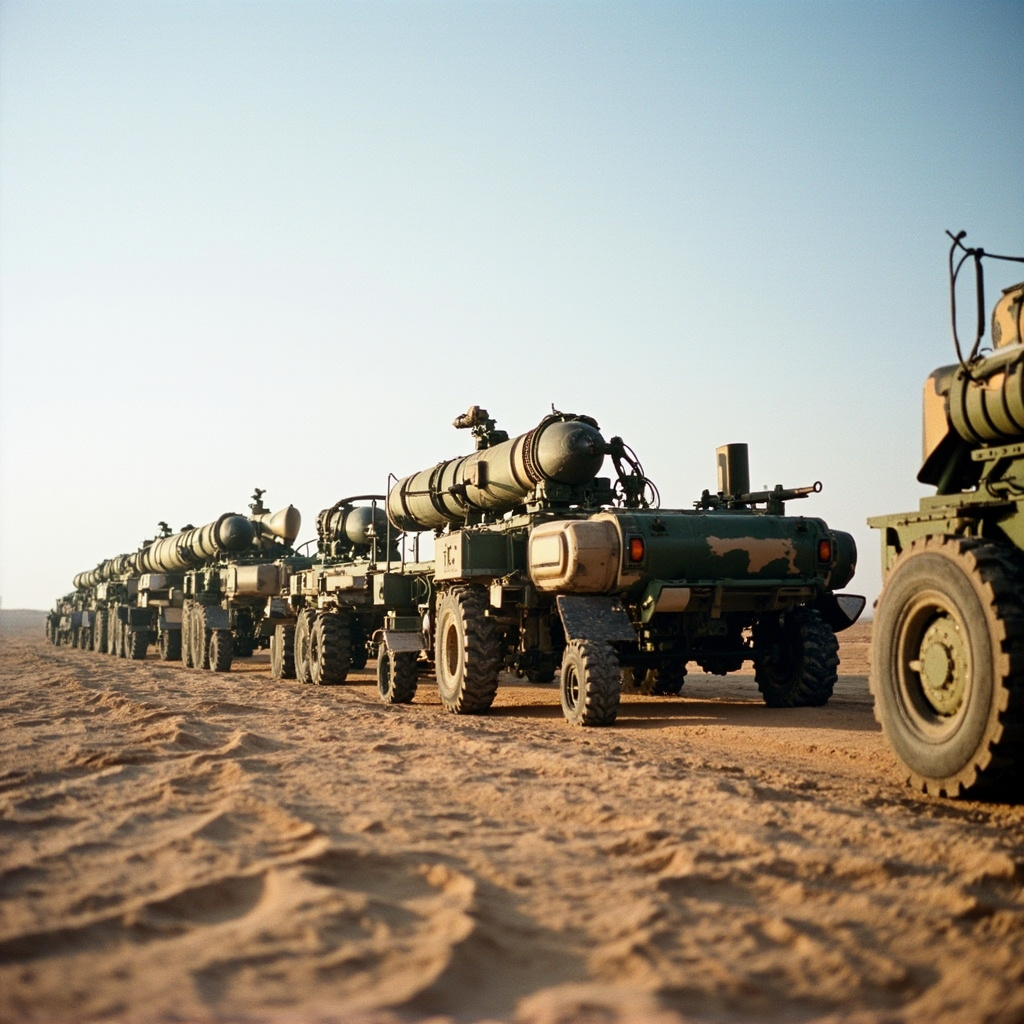
Secretary of State Marco Rubio fast-tracked the sale of more than $16.5 billion in air defense systems, radars, and missiles to Middle East allies on March 19, using an emergency declaration tied to the Iran conflict to bypass the standard 30-day congressional review period [1].
The proposed sales cover the UAE, Kuwait, and Jordan, with the largest single package consisting of lower-tier air and missile defense systems for the UAE valued at approximately $7 billion [2]. Additional sales include drones, radars, and advanced munitions across all three countries. Defense News reported the packages are designed to bolster allied capabilities against the ongoing Iranian missile and drone campaign that has struck targets across the Gulf region [3].
The emergency bypass has drawn criticism from lawmakers on both sides of the aisle. Congressional Democrats have argued the administration is using the war it initiated as justification to circumvent oversight mechanisms designed to prevent exactly this kind of accelerated arms dealing [4]. The Hindu reported that the emergency justification cited active Iranian attacks on US allies as the basis for waiving the review period.
Bloomberg reported that the sales represent one of the largest single arms packages in US history, with additional deals potentially pushing the total above $23 billion when including previously approved Israeli weapons transfers [1]. The sales further entrench US defense relationships in the Gulf at a moment when the region's long-term security architecture is being reshaped by the conflict.
-- Samuel Crane, Washington
Sources & X Posts
News Sources
X Posts