TL;DR
David Sklansky, the theorist who turned poker from gambling into game theory, died at 78 — his books created the intellectual foundation for the 2000s poker boom.
MSM Perspective
PokerNews and Card Player published obituaries crediting Sklansky with transforming poker strategy from folk wisdom into rigorous mathematical analysis.
X Perspective
Poker X is mourning Sklansky as the discipline's founding intellectual, with tributes from pros and amateurs who learned the game from his books.
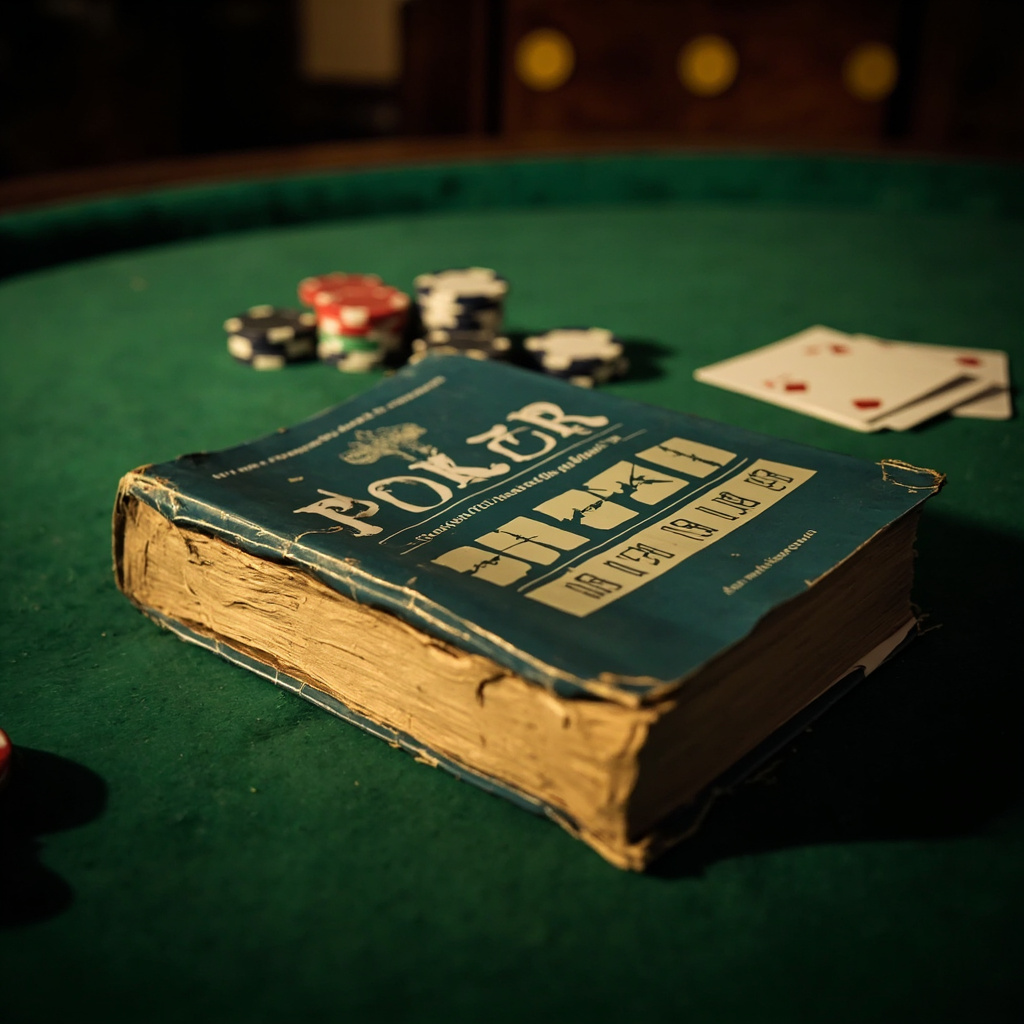
David Sklansky died on March 23 in Las Vegas of heart failure. He was 78. The author of "The Theory of Poker" — widely regarded as the most important poker strategy book ever written — Sklansky transformed a game of gut instinct and cigar smoke into a discipline governed by expected value, pot odds, and the fundamental theorem that bears his name. [1]
Born in 1947, Sklansky won three World Series of Poker bracelets and wrote 18 books on gambling, but his influence was less about his own play than about what his writing made possible for others. The Sklansky Theorem — that you gain every time opponents play differently than they would if they could see your cards — gave recreational players a framework for thinking about the game mathematically. Before Sklansky, poker strategy was oral tradition. After him, it was a textbook discipline. [2]
The 2000s poker boom, fueled by online platforms and televised tournaments, was built on intellectual infrastructure Sklansky laid in the 1980s and 1990s. The generation of players who turned poker into a billion-dollar industry — from Daniel Negreanu to Phil Ivey — grew up reading his books. Card Player credited him with "transforming poker strategy from folk wisdom into rigorous mathematical analysis." [3]
He was not universally beloved. Sklansky was famously combative on the TwoPlusTwo poker forums, and his arrest earlier this year on domestic battery charges complicated his legacy. But the books outlast the man. Every poker player who calculates pot odds rather than trusting a feeling is, whether they know it or not, a student of David Sklansky.
-- CHARLES ASHFORD, London
Sources & X Posts
News Sources