TL;DR
SpaceX crossed 10,000 active Starlink satellites in orbit on March 17, now comprising two-thirds of all active satellites in space.
MSM Perspective
Coverage emphasizes SpaceX's dominance in the satellite internet market and the regulatory implications of controlling two-thirds of all active satellites.
X Perspective
Space enthusiasts celebrate the milestone while astronomers warn that a constellation this large is fundamentally altering the night sky.
SpaceX surpassed 10,000 active Starlink satellites in orbit on March 17, 2026, less than seven years after the first operational batch launched [1].
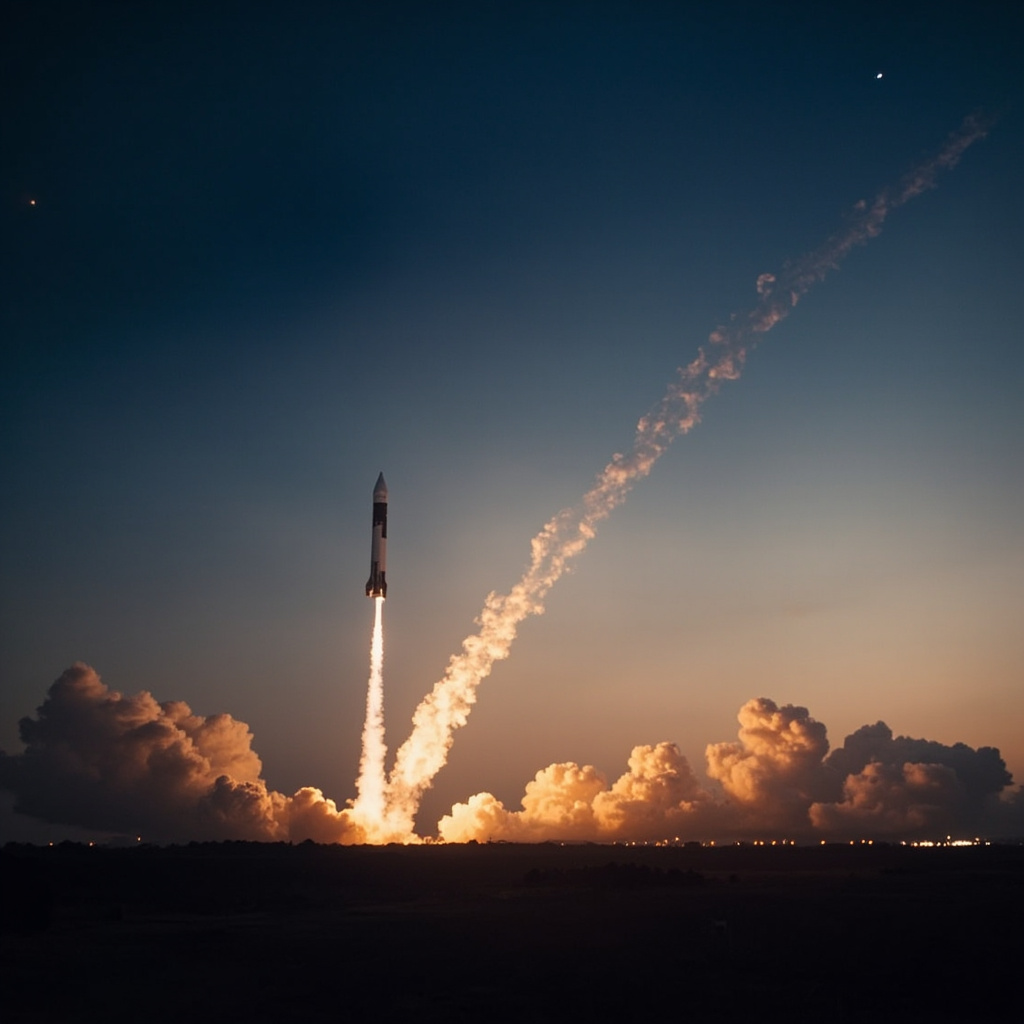
The milestone was reached with the Starlink 10-48 mission from Cape Canaveral, which added 29 satellites and brought the estimated active count to 10,003 [2]. By March 22, a follow-up mission pushed the total higher still. Scientific American reported that the achievement "cements a daunting new era" in low-Earth orbit [3].
The numbers are staggering in context. SpaceX's Starlink constellation now comprises roughly two-thirds of all active satellites orbiting Earth [4]. In October 2025, the count stood at 8,400, meaning SpaceX transported an average of 320 satellites per month to reach the milestone, according to BGR [5].
Aviation Week noted that the constellation continues to grow, with no slowdown in launch cadence. The company's Starship rocket is designed to deploy even larger batches of next-generation satellites, potentially launching over 10,000 per year once fully operational.
Not everyone is celebrating. Phys.org reported that astronomers warn the growing constellation is destroying the night sky, with light pollution from satellites increasingly interfering with ground-based observations [6].
SpaceX generated roughly $10 billion in Starlink revenue in 2025. The 10,000-satellite milestone is a commercial achievement, an engineering feat, and an environmental question, all wrapped into a single number.
-- Kenji Nakamura, San Francisco
Sources & X Posts
News Sources
X Posts