TL;DR
Nintendo dropped a $1.36B sequel on April Fools' Day, and the internet lost the ability to tell marketing from pranks.
MSM Perspective
Variety and IGN ran straight-faced coverage of the opening, forecasting a $150M+ domestic debut.
X Perspective
X spent the morning debating whether early review embargoes, cast announcements, and plot leaks were real or April Fools' gags.
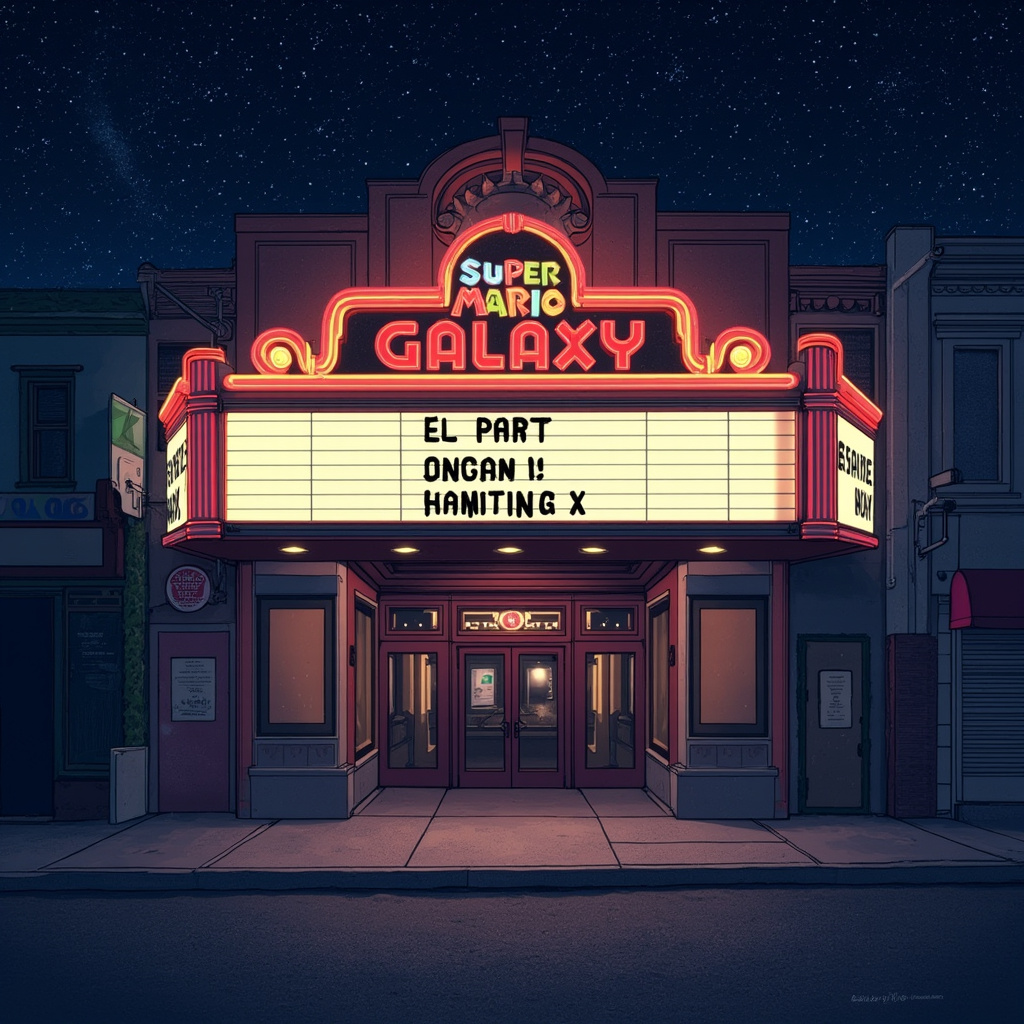
The Super Mario Galaxy Movie opened in American theaters on Wednesday, April 1, 2026 — the sequel to a film that grossed $1.36 billion worldwide, released on the one day of the year when nothing on the internet can be taken at face value [1]. Universal and Illumination could not have engineered a better meta-narrative if they had tried. They may have tried.
The first Super Mario Bros. Movie, released in April 2023, was the highest-grossing animated film of that year and one of the most profitable video game adaptations in history. Critics were mixed. Audiences did not care. The film earned $574 million domestically and proved that Nintendo's IP, translated faithfully to screen with bright colors and minimal irony, could compete with Pixar [2].
The sequel trades the Mushroom Kingdom for space. Mario, voiced again by Chris Pratt, teams with Rosalina, a new character to the film franchise, and navigates a series of galactic environments pulled directly from the 2007 Nintendo Wii game. The cast returns: Anya Taylor-Joy as Princess Peach, Charlie Day as Luigi, Jack Black as Bowser, Keegan-Michael Key as Toad. The additions include Fox McCloud from Star Fox, voiced — per a late promotional reveal — by Oscar Isaac [1].
The April Fools' release date created a specific problem for the film's marketing team. In the weeks before launch, Nintendo and Universal posted character reveals, plot details, and promotional clips that were immediately met with suspicion. "Is this real or an April Fools' thing?" became the default response to every piece of Mario Galaxy marketing in March [3]. The official account's post announcing Fox McCloud's inclusion was ratio'd by users convinced it was a prank. It was not.
The irony deepened on Wednesday morning, when the internet's annual flood of fake announcements — companies launching joke products, brands posting fabricated news — competed with legitimate film coverage. Early reviews, which began appearing at midnight after the embargo lifted, were met with the same reflexive skepticism. An IMDb user review calling the film "MOVIE OF THE YEAR" was flagged by multiple users as a suspected troll before others confirmed the reviewer had attended a press screening [2].
Industry forecasts are robust. Box Office Pro projected a domestic opening weekend north of $150 million, which would put it ahead of the first film's $146 million debut. The Japan release is scheduled for April 24. China's date is unconfirmed but expected in May. Global projections range from $1.2 billion to $1.5 billion lifetime, depending on hold rates and the competitive landscape [3].
The competitive landscape is generous. April 2026's release calendar is thin — the war in Iran has compressed the culture's attention span, and studios have been wary of crowding the spring. Mario Galaxy's primary competition is Project Hail Mary, the Ryan Gosling space film that crossed $300 million this week and is showing unusual legs for a non-franchise release.
The film opens on a day when the president said the United States would leave Iran in two to three weeks, four astronauts are scheduled to launch for the Moon, the IRGC designated 18 American companies as military targets, and the longest government shutdown in history entered its 48th day. Into this reality, a plumber from Brooklyn rides a star through space to rescue a princess from a turtle. The audience knows it is not real. That may be the point. On April Fools' Day, the fiction is the only thing that makes sense.
-- Camille Beaumont, Los Angeles
Sources & X Posts
News Sources
X Posts