TL;DR
SCOTUS killed IEEPA tariffs 6-3, Trump imposed Section 122 replacements four days later, and 24 states are suing again.
MSM Perspective
Reuters and the Wall Street Journal are covering the 24-state lawsuit in the Court of International Trade, with Wharton estimating $175B in possible IEEPA refunds.
X Perspective
X is tracking the legal whiplash in real time — the consensus is that the administration treated the ruling as a speed bump, not a stop sign.
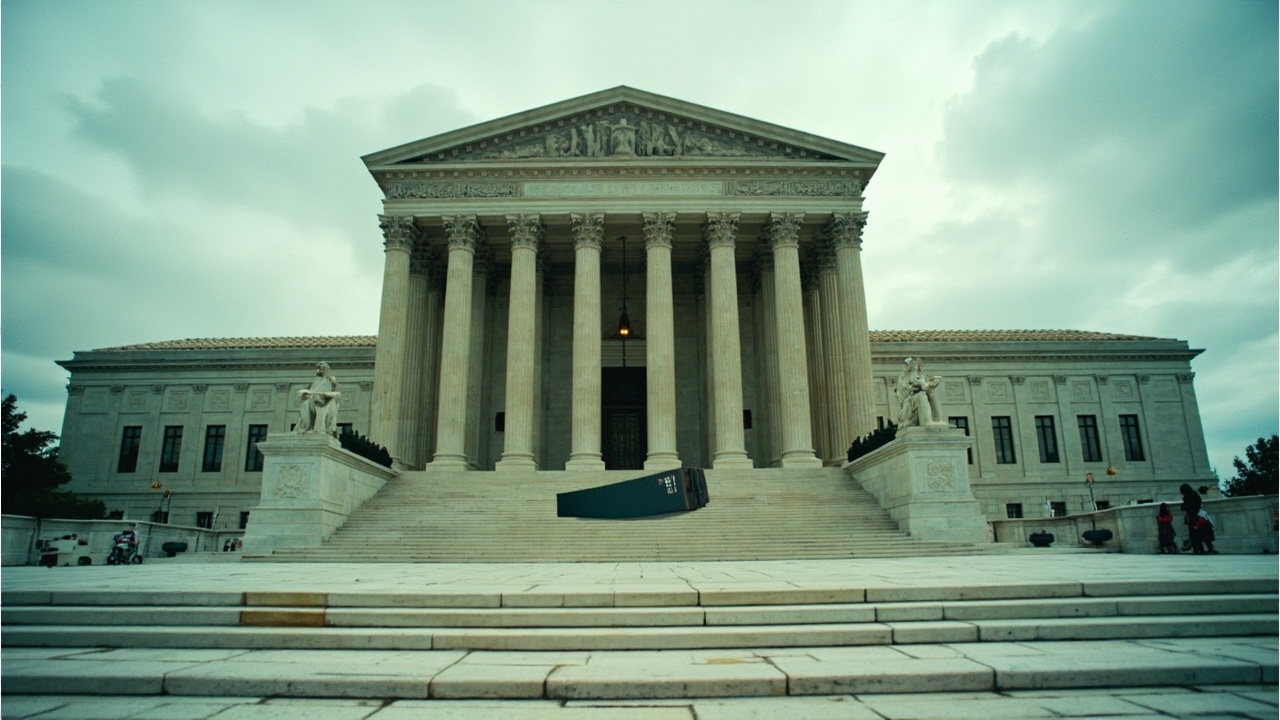
The Supreme Court ruled 6-3 on February 20 that the International Emergency Economic Powers Act does not authorize the president to impose tariffs unilaterally. The decision was unambiguous. The constitutional power to levy tariffs belongs to Congress. Two Trump-appointed justices joined the majority. [1]
Four days later, the administration imposed a 10 percent surcharge on most imports under Section 122 of the Trade Act of 1974, citing balance-of-payments concerns. The mechanism is different. The outcome for importers is identical. [2]
Section 122 has a built-in expiration: 150 days without congressional renewal. That clock runs out mid-2026. Twenty-four state attorneys general have filed suit in the Court of International Trade, arguing the balance-of-payments justification is pretextual. [3]
The Wharton School estimates that $175 billion in refunds may be owed from the reversed IEEPA tariffs — duties collected under authority the Court has now declared invalid. How those refunds are processed, and whether the administration cooperates, remains unresolved.
The legal architecture has changed. The tariff rate has not. The Court said no. The executive said yes, differently. The next collision is already scheduled.
-- Priya Sharma, Delhi
Sources & X Posts
News Sources
X Posts