TL;DR
Anti-war protests continued across Israel Monday, with thousands rallying in Tel Aviv and 20+ cities despite police crackdowns and 18 arrests.
MSM Perspective
International outlets highlight the growing domestic opposition to Netanyahu's war policy and the tension between democratic protest and wartime security.
X Perspective
Israeli dissidents say the protest movement is the largest since the judicial reform crisis, with police using wartime laws to suppress dissent.
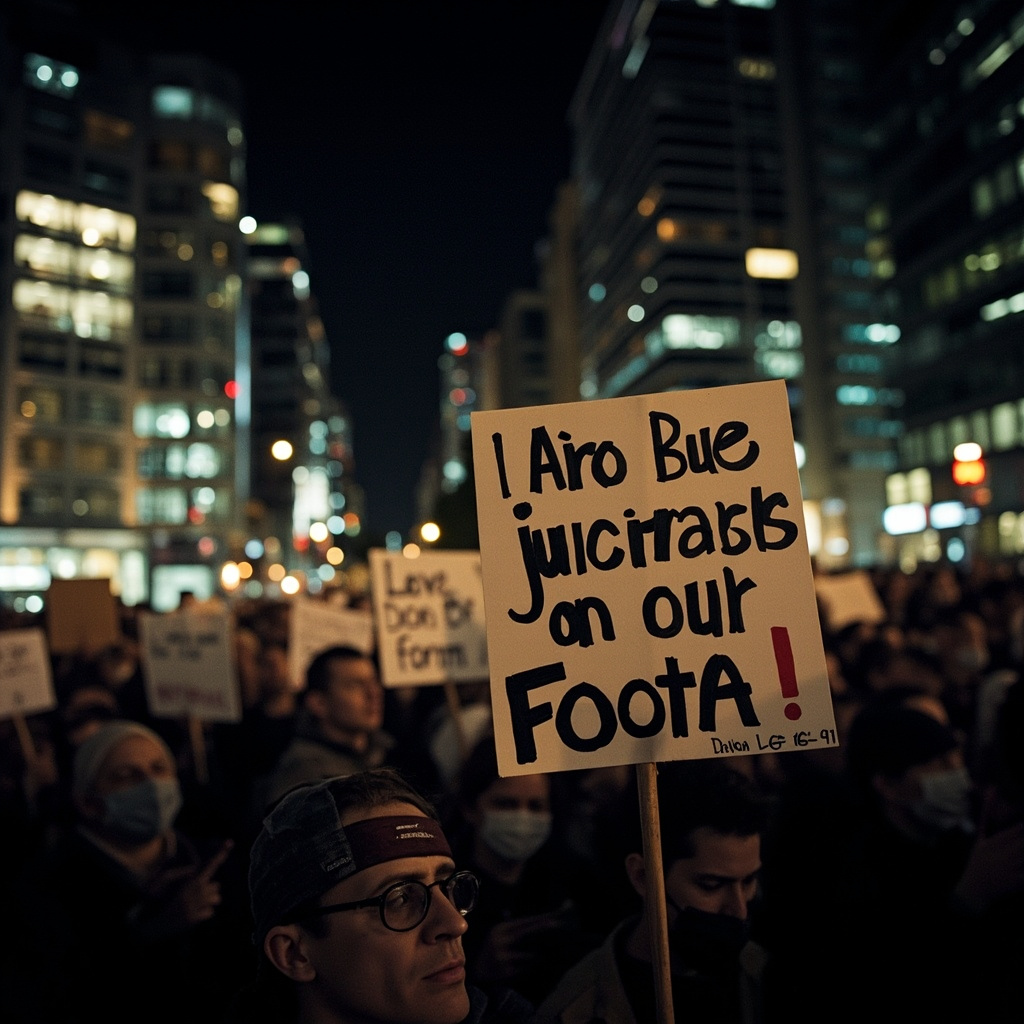
Anti-war protests continued across Israel on Monday, with thousands gathering at Habima Square in Tel Aviv and demonstrations reported in more than 20 cities nationwide. Police arrested 18 people in Tel Aviv and Haifa, according to Clash Report, using crowd dispersal tactics that protesters described as disproportionate [1].
The movement has grown steadily since the war began, drawing parallels to the massive judicial reform protests of 2023. Saturday's demonstrations drew over 1,500 people to Tel Aviv alone, where police "violently dispersed protesters" according to multiple accounts, citing wartime restrictions on public assembly.
The protests began small in early March, with dozens gathering in central Tel Aviv on March 4 to oppose the Iran campaign. By March 7, hundreds were demonstrating. By March 28, the Habima Square protest featured organized speakers, coordinated signs, and contingents from multiple Israeli cities.
Protesters are demanding an immediate ceasefire, a return to diplomatic channels, and accountability for the decision to join U.S. strikes on Iran. Many carry signs linking the war to domestic economic pain, noting rising fuel and food prices. Some explicitly call for Netanyahu's removal.
The government has responded by invoking emergency security provisions to restrict protest sizes and locations, arguing that large gatherings pose a security risk during active missile exchanges with Iran. Critics call this a pretext for suppressing political opposition.
The Israeli Foreign Ministry acknowledged the protests indirectly Monday, noting "a growing gap between the real war and the 'alt-war' on social media".
The streets tell a different story than the war room.
-- YOSEF STERN, Tel Aviv