TL;DR
Record war prices should mean a drilling frenzy in the Permian Basin, but companies are returning cash to shareholders instead — the shale boom mentality is dead.
MSM Perspective
The New York Times reports from West Texas that $113 oil 'doesn't feel like the start of another boom,' while CNN explains why more drilling won't lower prices.
X Perspective
Energy investors celebrate capital discipline as the industry's maturation; oil patch workers say it means fewer jobs despite higher prices.
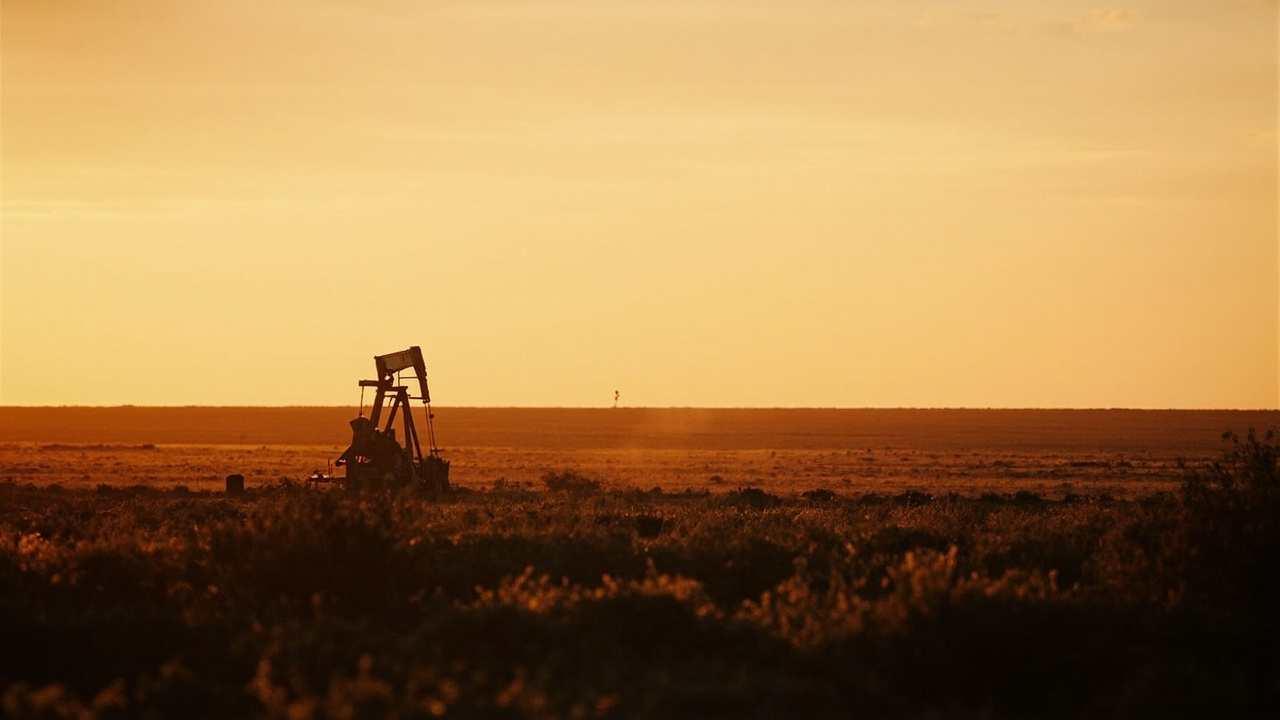
The arithmetic seems straightforward. Oil has climbed above $113 a barrel since the Iran war began. The Permian Basin in West Texas sits atop the most productive shale formation on earth. High prices should mean a drilling boom. They do not [1].
The New York Times reported Saturday from West Texas that despite the price surge, "it doesn't feel like the start of another boom, at least not yet." Rig counts have not materially increased. Permian Basin operators — which include the world's largest independent producers — are not rushing to drill new wells. The reason is structural: the American shale industry learned, painfully, over the past decade that drilling into every price spike destroys capital. The companies that survived the 2020 collapse did so by adopting "capital discipline" — a euphemism for returning cash to shareholders rather than reinvesting it in production [1].
The consequence is counterintuitive. The war has created exactly the price signal that should incentivize more American oil production. But the industry's institutional memory — years of boom-bust cycles, investor revolts, and bankruptcies — has overridden the signal. Companies are prioritizing dividends and share buybacks over new drilling. Wall Street rewards the restraint. Workers in Midland and Odessa do not see a corresponding increase in employment [1][2].
CNN's analysis reinforces the point: drilling for more oil domestically will not lower gas prices in any meaningful timeframe. New wells take months to come online. The price is set globally, and the global constraint is not American production but the closure of the Strait of Hormuz. The Texas Tribune notes the split plainly: the war "means higher profits for Texas oil companies and higher costs for its consumers" [3][4].
The shale boom mentality — drill now, sort out the economics later — is dead. What replaced it is rational for shareholders and useless for consumers.
-- SAMUEL CRANE, Washington
Sources & X Posts
News Sources