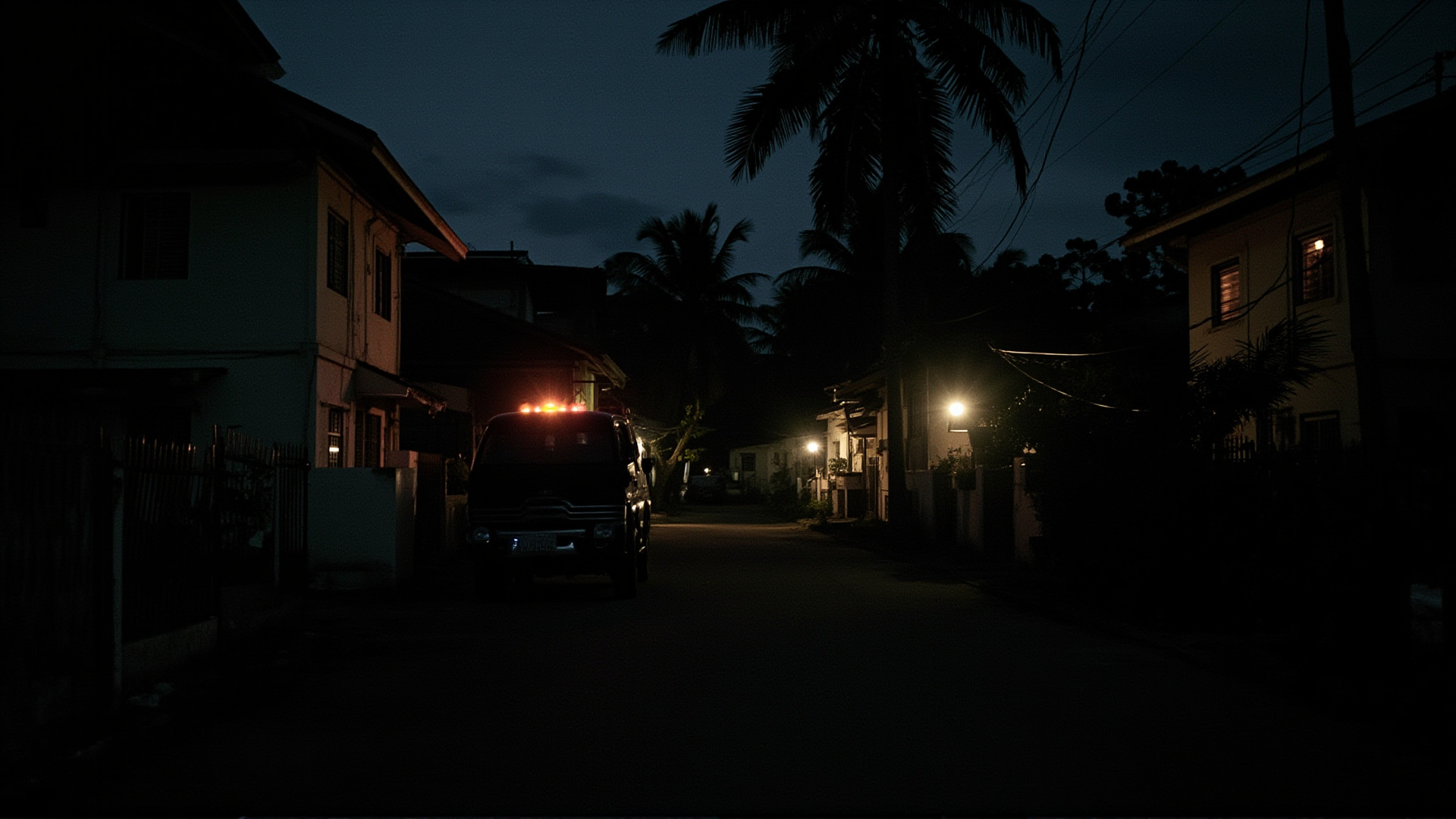
The Philippine Department of Energy raised the national grid to red alert status on Wednesday — the highest emergency level in the country's power system — after two LNG shipments contracted for delivery to the Ilijan and Santa Rita power plants were redirected by their suppliers to Japanese buyers willing to pay a 40 percent premium. The plants, which together provide 18 percent of Luzon's baseload power, switched to diesel backup generators. Diesel reserves at current consumption rates will last nine days. [1]
President Ferdinand Marcos Jr. signed an executive order on Thursday authorizing rotating blackouts across Metro Manila and central Luzon, beginning Monday if replacement LNG shipments do not arrive by Sunday evening. The Energy Regulatory Commission suspended market pricing rules to allow emergency procurement at above-cap rates. The peso fell 1.3 percent against the dollar on the announcement. [1] [2]
The Hormuz blockade is 7,400 kilometers from Manila. The Philippines imports no oil from Iran. It receives no gas through the strait. But the LNG market is global, and when Qatar's output cannot reach its contracted buyers through Hormuz, those buyers — Japan, South Korea, Taiwan — compete for alternative supply from Australia, the United States, and spot cargoes. The Philippines, which entered the LNG market only in 2023 with its first import terminal, sits at the bottom of the purchasing hierarchy. When supply tightens, the newest buyer with the smallest contracts gets cut first. [2]
Reuters Asia filed a 400-word wire story on Wednesday. No American news outlet picked it up. The Philippines energy emergency did not appear in any major U.S. newspaper, cable news broadcast, or news aggregator through Friday afternoon. On X, energy analysts and Southeast Asia watchers circulated the Reuters wire with commentary noting that the war's second-order effects now span three continents — Africa, Latin America, and the Pacific — and that the American media continues to cover the Hormuz crisis as though its consequences stop at the Gulf. [3]
The blackouts, if they begin Monday, will affect 14 million people in Metro Manila alone. Hospitals have been instructed to activate backup power. The Manila Metro Rail Transit system, which carries 500,000 daily commuters, will reduce service by 40 percent. Schools in Quezon City and Makati have preemptively shifted to remote instruction. The war that closed a strait 7,400 kilometers away is about to turn off the lights in a country that had nothing to do with it.
-- RINA TANAKA, Osaka