The most revealing thing Donald Trump said on Friday was not about Iran. It was about the allies he wants beside him.
ABC's live coverage reported that Trump blasted NATO allies as "cowards" for failing to help the United States secure the Strait of Hormuz. [1] That is the kind of remark that does more than embarrass diplomats. It converts a burden-sharing dispute into public evidence that the coalition is struggling to agree on what this war now demands.
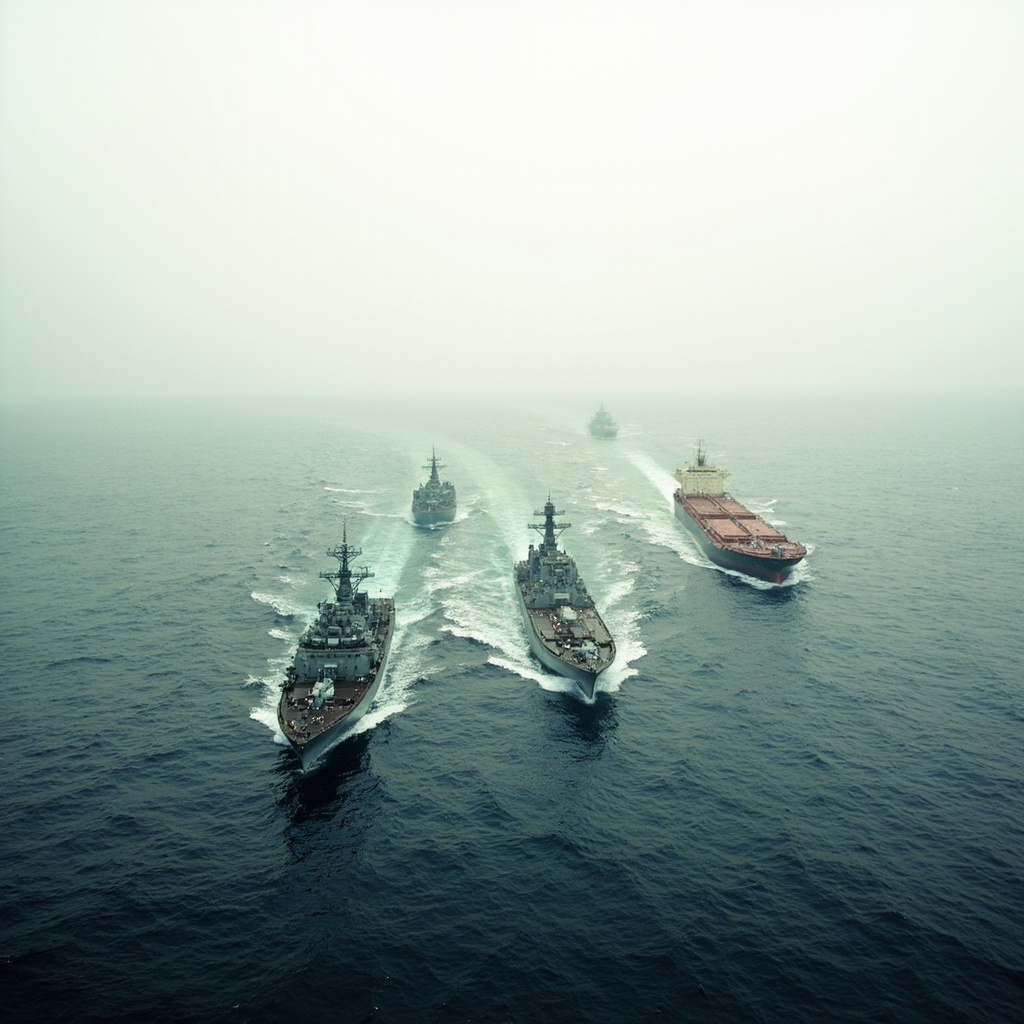
There is a difference between wanting political support and asking governments to put hulls, crews, and risk into a contested maritime corridor. Hormuz is the place where that difference becomes expensive.
A Private Frustration Goes Public
For days, the underlying problem was already visible. The war widened into a shipping and energy story faster than the alliance widened into a maritime one. European governments could condemn, hedge, or urge de-escalation. That is not the same thing as escorting vessels through a chokepoint that now looks like a live theater of retaliation.
Trump's outburst matters because it says, in public, that he knows the difference too.
ABC's live coverage put the point in real time: the president was lashing out after allies declined to help open the strait. [1] Once that becomes the public language of the alliance, the dispute is no longer procedural. It becomes reputational. Every refusal now looks like a judgment about whether this campaign is worth sharing.
What Hormuz Help Actually Means
The argument here is not symbolic. It is operational.
Helping in Hormuz means accepting the chance of confrontation in a lane the world still depends on for a massive share of its oil and gas traffic. It means telling domestic audiences why a war they did not start now requires their navy, their political capital, and perhaps their casualties. It means taking a risk that cannot be hidden inside a communique.
That is why this story connects directly to the energy front. Yesterday's Europe energy story was about the continent's vulnerability to another supply shock. Friday's alliance story is about whether the same governments most exposed to that shock are willing to share the burden of confronting the chokepoint that transmits it.
So far, exposure has not automatically produced appetite.
The Coalition Cost of Public Contempt
There is a tactical argument for public pressure. Shame the allies, raise the stakes, make inaction politically harder. But there is also an obvious cost. If you are already asking reluctant governments to join a hazardous mission, calling them cowards gives them a stronger domestic reason to stand still.
This is why the insult matters more than the headline pop of the quote itself. It tells you the alliance problem is no longer being managed quietly. The disagreement has broken the surface.
That does not mean the coalition is finished. X is too eager to confuse strain with death. But it does mean the next phase of the war will not be judged only by what Washington and Jerusalem do inside Iran. It will also be judged by who, if anyone, chooses to share the burden of keeping Hormuz open once the cost of doing so becomes fully visible.
If no one steps forward, Friday's insult will read less like anger than diagnosis.
-- CHARLES ASHFORD, London