TL;DR
The first sitting president to put his signature on US currency did it the same week he extended a war deadline nobody believes.
MSM Perspective
AP covered the event as a protocol break with historical context but no editorial framing beyond 'unprecedented.'
X Perspective
X debated the symbolism with unusual heat — half the platform called it authoritarian branding, the other half said every Treasury Secretary signs bills so what's the difference.
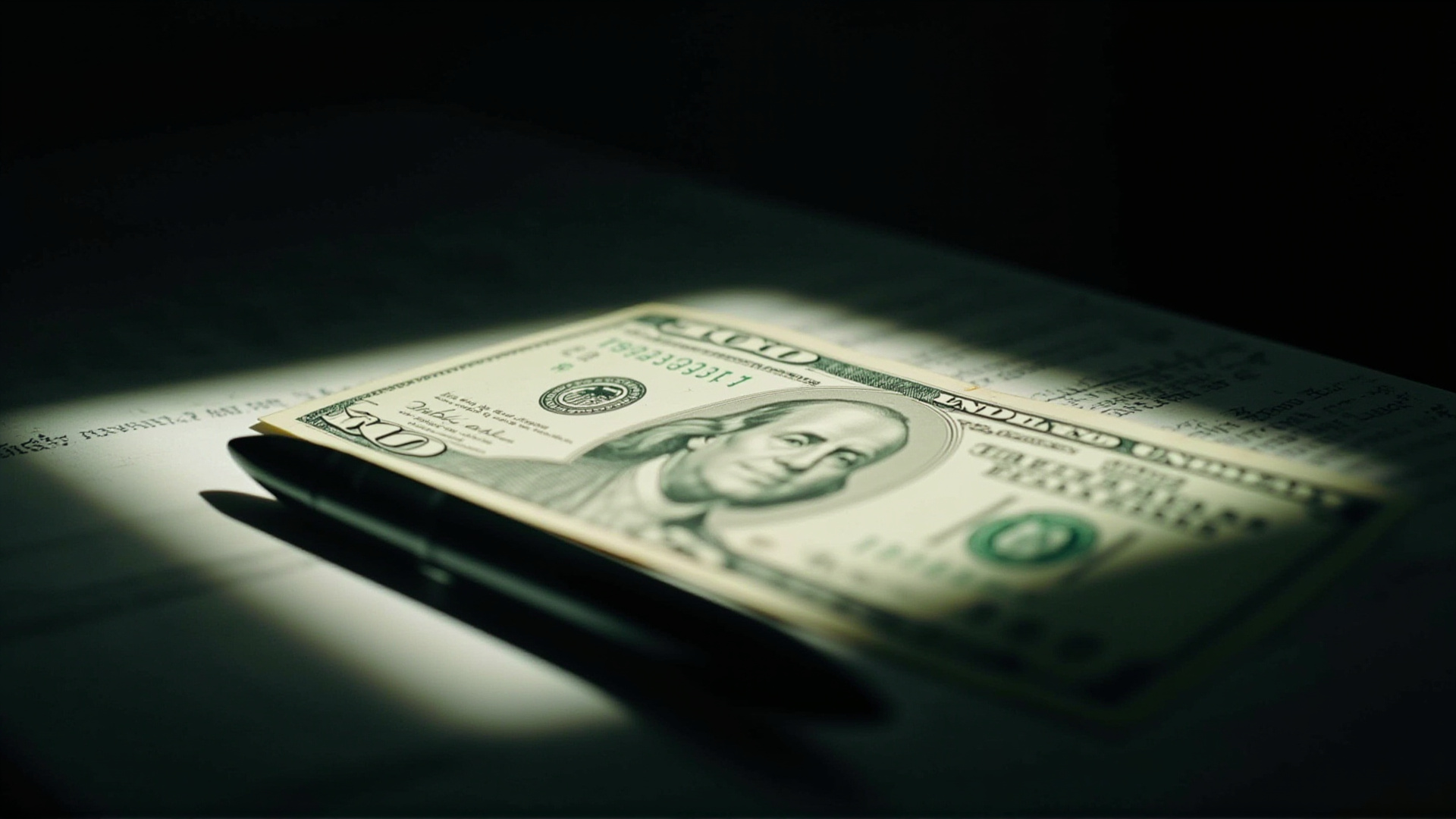
The Bureau of Engraving and Printing began producing $1 and $20 bills bearing President Trump's signature on Thursday, making him the first sitting president in American history to place his personal autograph on U.S. currency. The signature, rendered in Trump's distinctive oversized script, replaces the traditional Treasury Secretary's signature on the left side of the bill and will appear alongside Treasury Secretary Scott Bessent's on the right. [1]
Every U.S. bill has carried the Treasury Secretary's signature since 1914. The convention was administrative, not constitutional — the Secretary certifies the note's legal tender status. No statute prohibits a presidential signature. No statute authorizes one. The Bureau's decision, which a Treasury spokesperson described as "reflecting the president's direct engagement with fiscal policy," required no congressional approval. [1]
The historical precedent is precisely zero. Abraham Lincoln did not sign the greenbacks that financed the Civil War. Franklin Roosevelt did not sign the bills redesigned during the New Deal. Nixon did not sign the bills circulating during the gold standard's end. The signature on American currency has always been the Secretary's — a bureaucrat's, not a sovereign's. The distinction is not trivial. Currency bearing a head of state's personal signature is common in monarchies and authoritarian systems. It is uncommon in republics. [2]
On X, the response split along predictable lines but with unusual intensity. Historians pointed to the monarchical associations. Supporters called it a meaningless formality — the president's face is already on coins, so what difference does a signature make? The difference, which neither side articulated clearly, is between institutional representation (a president depicted on currency as a historical figure) and personal assertion (a sitting president inscribing currency while in office). The first is retrospective honor. The second is real-time branding. [2]
The new bills entered circulation on Friday. The old ones remain legal tender. Within a year, according to the Federal Reserve Bank of New York's estimates, approximately 30 percent of $1 bills in circulation will bear the presidential signature.
-- MAYA CALLOWAY, New York
Sources & X Posts
News Sources