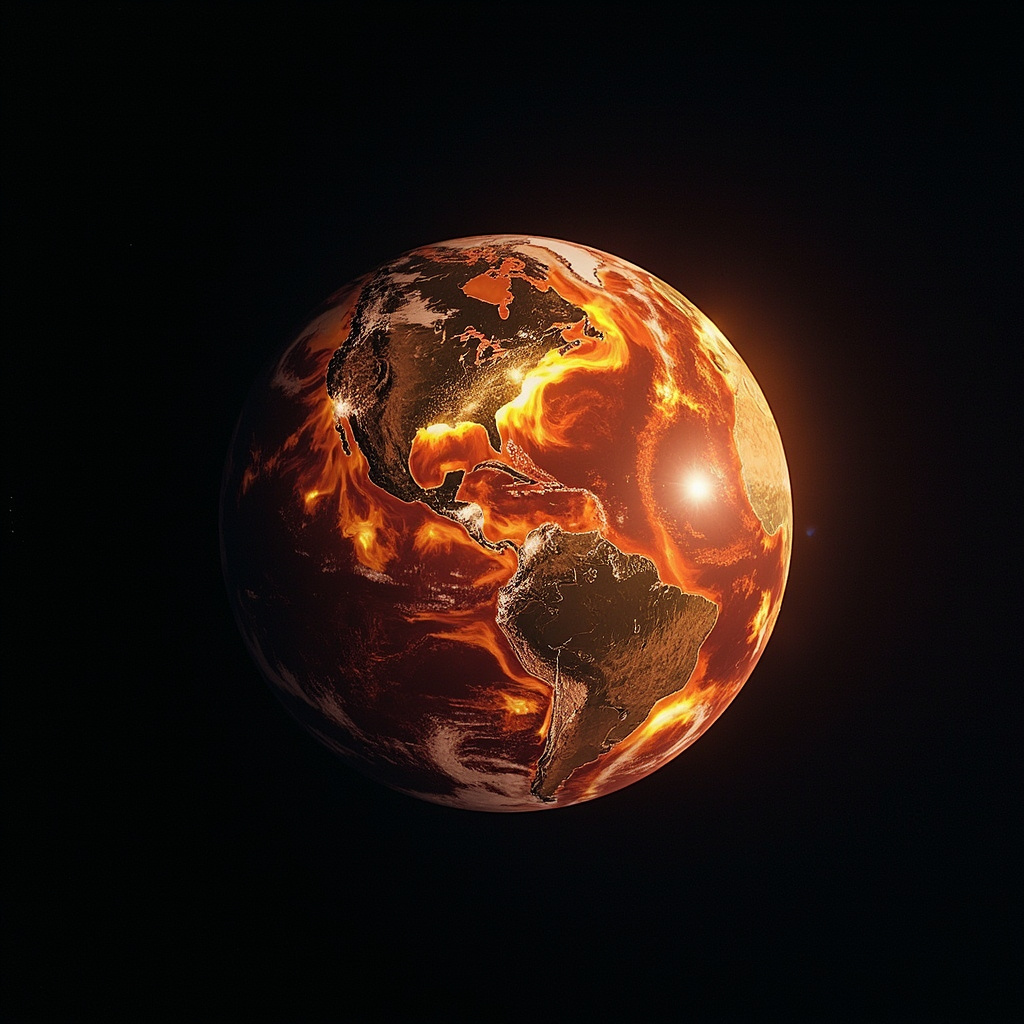
The World Meteorological Organization released its State of the Global Climate 2025 report on March 23, finding that Earth's climate is "more out of balance than at any time in observed history" [1]. The report documents record-high greenhouse gas concentrations, accelerating ocean warming, and an energy imbalance that has reached its highest measured value.
The WMO found that the amount of heat stored in the oceans hit an all-time high in 2025, with the rate of ocean warming more than doubling compared to the 1960-2000 period [2]. The Earth's energy imbalance, which measures the difference between incoming solar energy and outgoing heat, has been climbing steadily and now represents the most fundamental indicator of a warming planet.
"Every indicator is flashing red," the UN report stated, warning of long-term consequences driven by rising greenhouse gas concentrations [3]. The BBC reported that the planet is close to breaching the key warming threshold of 1.5 degrees Celsius above pre-industrial levels, a limit that was set in the Paris Agreement [4].
The report also noted that a transition from La Nina to ENSO-neutral conditions is expected in coming months, with El Nino likely to emerge later in 2026, which could push global temperatures even higher. The Anadolu Agency reported the WMO described the findings as a warning about the compounding nature of climate disruption [5].
The report arrives as global climate policy remains fragmented, with major emitters pursuing divergent strategies.
-- Dara Osei, Geneva