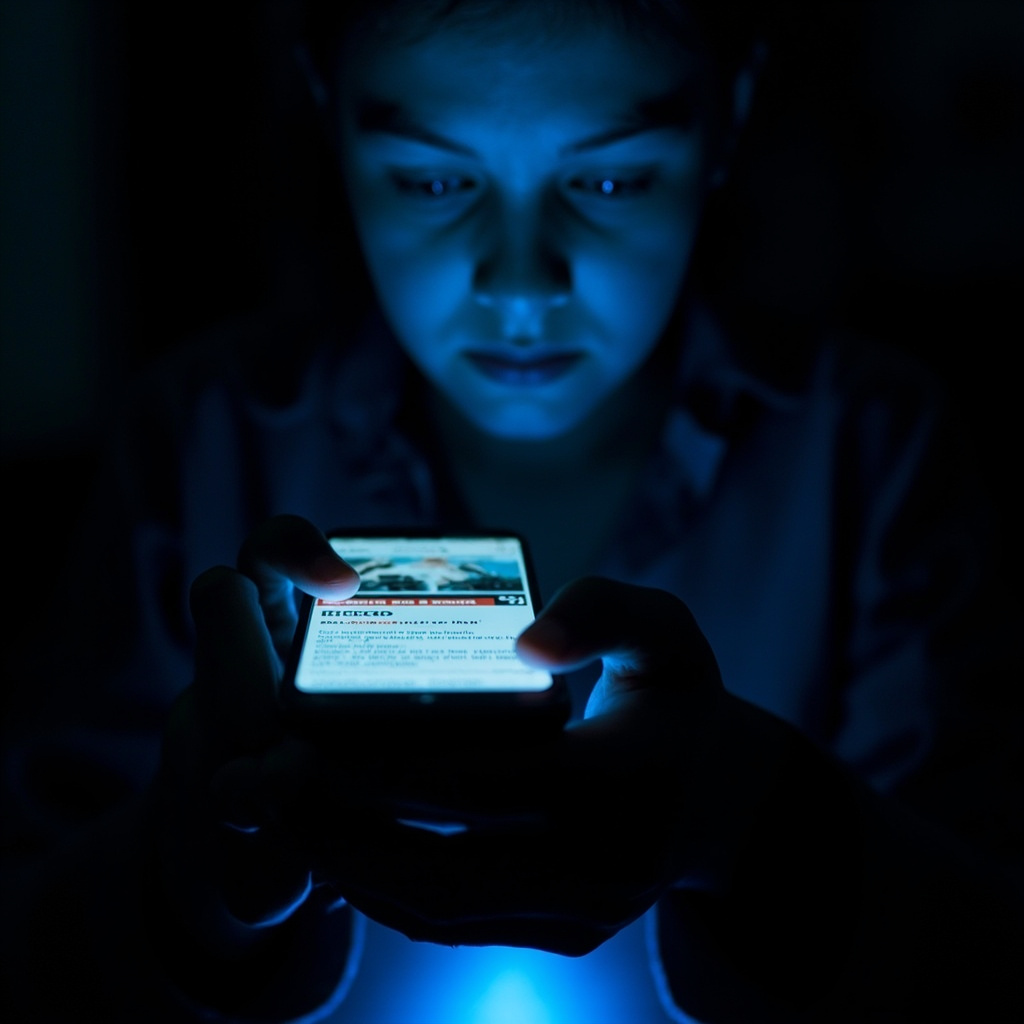
The woman in the therapist's office in Austin cannot sleep. She has no connection to the military. She does not know anyone in Iran, Gaza, or Ukraine. She has never been to the Middle East. But she checks her phone seventeen times before breakfast for war updates, and her body responds to each push notification with the same cortisol surge it would produce if the threat were in her driveway. Her therapist has started seeing three patients a week who present almost identically. [1]
This paper noted two days ago that war anxiety was overwhelming therapists and spiking demand across the mental health system. The picture has sharpened since then. What clinicians are now describing is not generalized anxiety with a geopolitical flavor. It is a specific, measurable syndrome — what researchers at Harvard have called "distant-threat hypervigilance" — in which the brain's alarm system treats continuous exposure to conflict coverage as evidence of proximate danger. [2]
The mechanism is not complicated. Human neurology evolved to respond to threats in the immediate environment. The amygdala does not distinguish between a predator in the tall grass and a missile strike on a refinery shown in high-definition video on a six-inch screen held twelve inches from the face. The proximity is artificial. The stress response is real. Dr. Shairi Turner, Chief Health Officer at the Crisis Text Line, told CBS News that repeated exposure to graphic conflict imagery "activates the same fear circuits that direct experience would." [3]
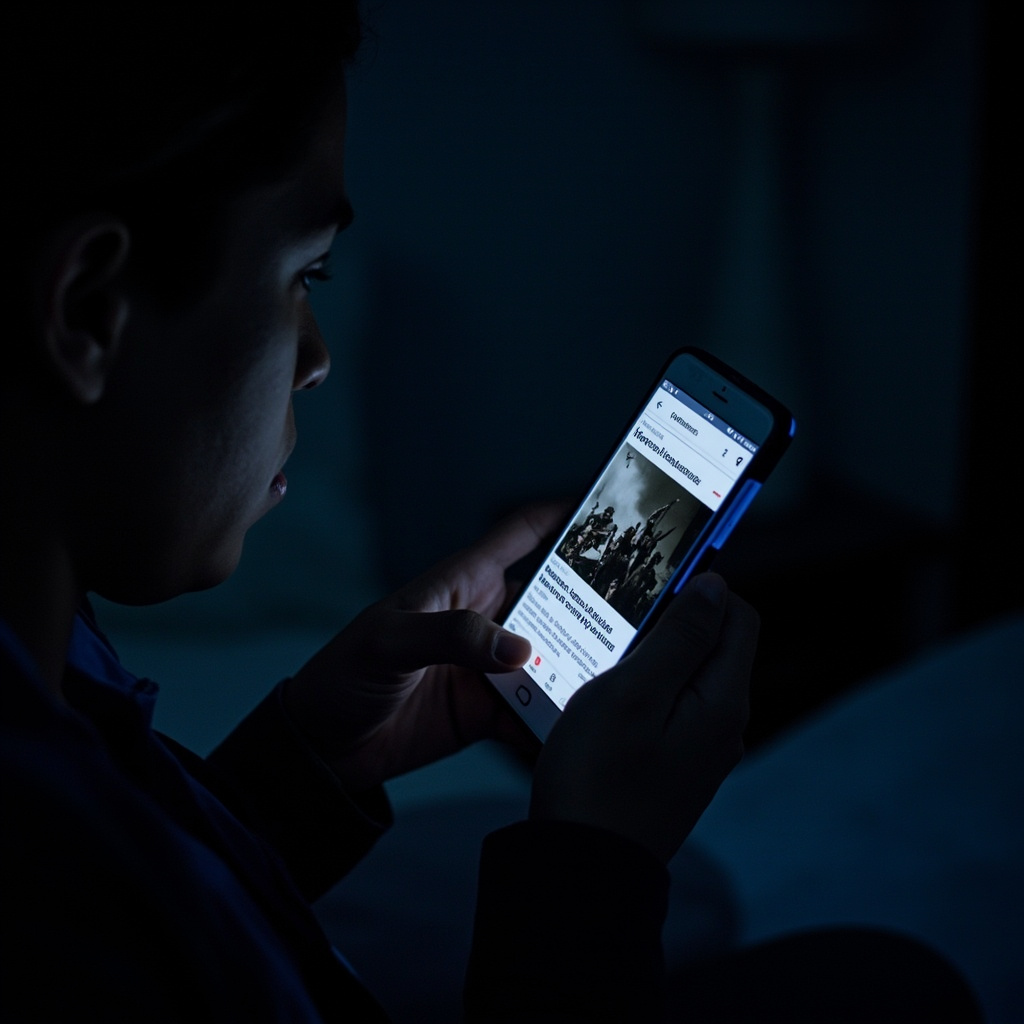
The scale is new. Three active conflicts — Iran, the continuing operations in Gaza, and the grinding war in Ukraine — produce a volume of real-time imagery, audio, and first-person accounts that no previous generation of civilians has had to metabolize. The phone delivers it continuously. The algorithms that govern social media feeds prioritize it, because fear drives engagement. The result is a population that is, in clinical terms, chronically activated.
Forbes reported in early March that the toll is disproportionately borne by women, who studies show are more likely to engage in what researchers call "empathic distress" — the involuntary absorption of others' suffering through media exposure. The article cited survey data showing that women in the 25-to-44 age range reported war-related anxiety symptoms at nearly twice the rate of men in the same cohort. [4]
The practical advice from clinicians is remarkably consistent. Limit news consumption to two defined windows per day. Disable push notifications for breaking news. Do not check the phone in the first hour after waking or the last hour before sleep. If you must follow the war, read rather than watch — text activates the fear circuits less intensely than video. Exercise. Go outside. Understand that the impulse to monitor continuously is not vigilance but compulsion, and that it degrades rather than enhances your ability to respond if a real local emergency occurs. [2]
Harvard Health's coping guide, updated this month, adds a structural observation: the feeling that you must stay informed at all times is itself a symptom, not a virtue. "Information-seeking becomes maladaptive," the guide notes, "when it no longer serves decision-making and instead serves only the anxiety itself." [2]
The economic dimension is not trivial. Psychiatric medication costs have risen approximately 2.6 percent in 2026, according to pharmacy benefit data. [5] Therapy wait times in major metropolitan areas have stretched to six weeks or longer. The system was already failing to meet demand before the war began. The war has not created a mental health crisis. It has exposed the one that was already there and accelerated it to the point where the exposure itself has become pathological.
The phone is not going away. The wars are not going away. The task — for individuals, for clinicians, for the platforms that profit from fear-driven engagement — is to acknowledge that the current arrangement, in which three wars are delivered continuously to three billion nervous systems, is producing measurable harm. The woman in Austin does not need more information. She needs permission to look away.
-- LUCIA VEGA, São Paulo