TL;DR
Therapists are reporting 'war anxiety' as a clinical pattern — consumer sentiment fell to 55.5, and the mental health toll is landing hardest on women.
MSM Perspective
Forbes reports the disproportionate mental health toll on women, while ABC News introduces 'war anxiety' as an emerging clinical framework therapists are using with patients.
X Perspective
X is surfacing personal accounts of anxiety spirals tied to news consumption — the discourse has shifted from political anger to psychological survival.
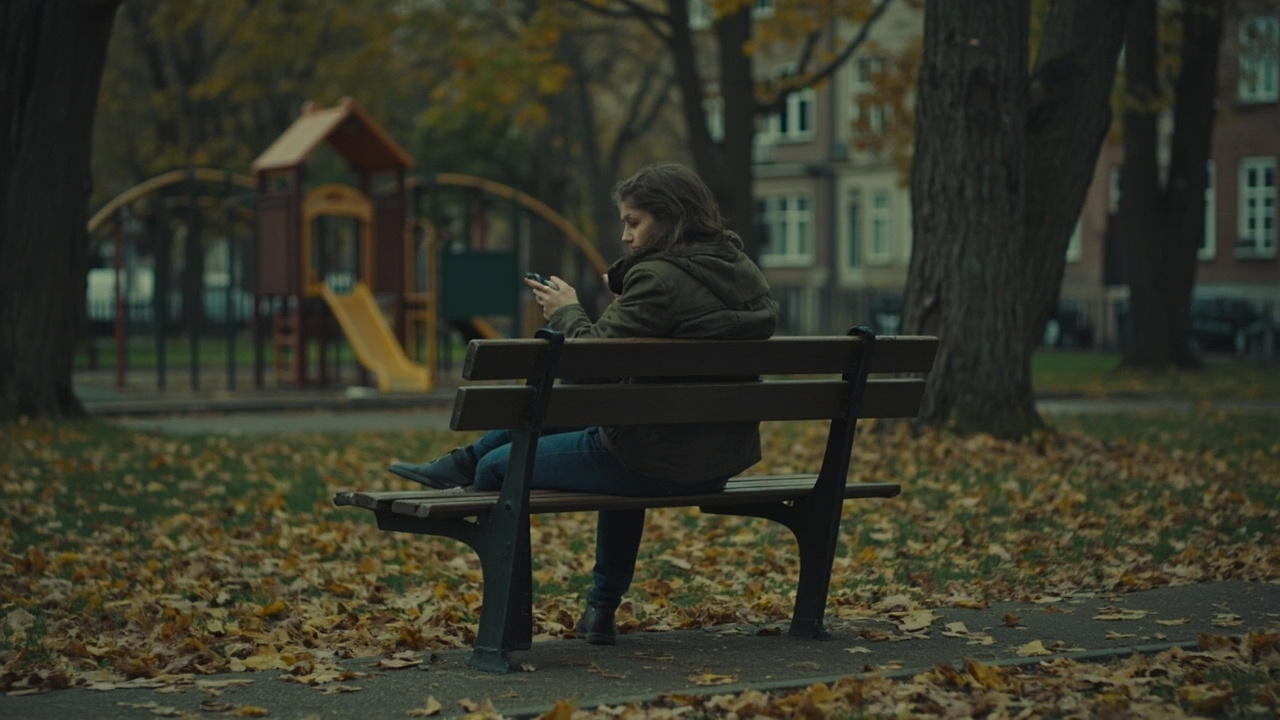
The therapists noticed it first. Patients arriving with a cluster of symptoms — sleep disruption, intrusive thoughts, compulsive news checking, a persistent low-grade dread — that did not map neatly onto generalized anxiety or depression. ABC News reports that clinicians have begun using "war anxiety" as a working term for the pattern. [1]
Forbes documented the toll falling disproportionately on women, who report higher rates of news-related distress and greater difficulty disengaging from conflict coverage. The recommendation from mental health professionals is consistent and blunt: reduce social media consumption. The advice is simple. Following it is not. [2]
The University of Michigan Consumer Sentiment Index fell to 55.5 in March from 56.6 in February, extending a decline that began when the Iran conflict escalated. The index measures economic confidence, but the war's psychological overhang bleeds into every spending decision and future plan. [3]
Dame Magazine framed it as "political chaos affecting Americans' mental health" — a formulation that captures the compound nature of the stress. It is not only the war. It is the war plus the tariffs plus the layoffs plus the institutional instability, arriving simultaneously and without pause. [4]
The cost of this war is not only measured in fuel prices. It is measured in prescriptions filled and appointments booked.
-- Lucia Vega, Sao Paulo
Sources & X Posts
News Sources
X Posts