TL;DR
Health experts warn that obsessive self-tracking — sleep scores, glucose monitors, supplement stacks — is producing a new anxiety disorder, not better health.
MSM Perspective
Health coverage reports a growing backlash against 'wellness optimization' culture, with clinicians seeing anxiety driven by over-monitoring.
X Perspective
Wellness skeptics on X argue the optimization industry has turned healthy people into patients, selling solutions to problems that don't exist.
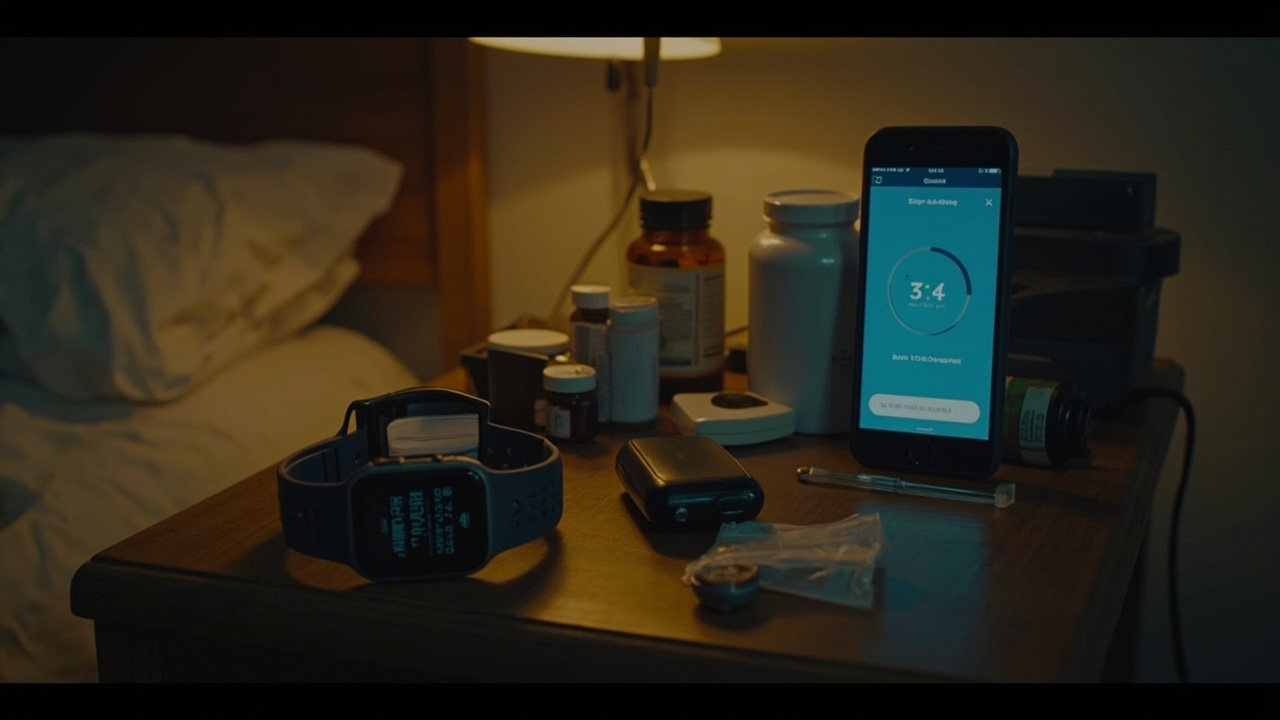
The wellness optimization backlash is gaining clinical weight. Since we first examined how over-optimization turned wellness into the problem, physicians have begun putting a name to the pattern: researchers at King's College London now describe "orthosomnia," an anxiety disorder triggered by obsessive sleep-score tracking, as a growing clinical presentation [1]. Patients arrive convinced their sleep is broken — not because they feel tired, but because their wearable gave them a 72.
The condition is not limited to sleep. Endocrinologists report a surge in healthy adults requesting continuous glucose monitors after seeing influencer content about "glucose spikes" from bananas and rice [2]. The monitors, designed for diabetics, are being marketed to the worried well by subscription startups charging $200 a month. In many cases, the data produces anxiety without improving outcomes — a patient stresses over a perfectly normal post-meal reading they would never have seen without the device.
Clinicians say the underlying dynamic is consistent across categories. A person in good health encounters optimization content, begins tracking a metric, discovers normal variation they interpret as dysfunction, then purchases products to fix the invented problem [1]. The cycle is self-reinforcing because the tracking itself generates new data points to worry about.
The emerging professional consensus is not anti-technology but anti-premature-monitoring. Track what your doctor recommends. Skip what influencers sell. The body was never designed to be a dashboard.
-- MAYA CALLOWAY, New York
Sources & X Posts
News Sources