TL;DR
The WMO's State of the Global Climate report confirms the last 11 years are the hottest on record and Earth's energy imbalance is at a 65-year high.
MSM Perspective
The New York Times reported the WMO findings as a climate record; Nature called the energy imbalance 'more out of balance than ever before.'
X Perspective
X is circulating the WMO data alongside oil price charts, pointing out that the energy crisis and the climate crisis are now the same crisis running on different timelines.
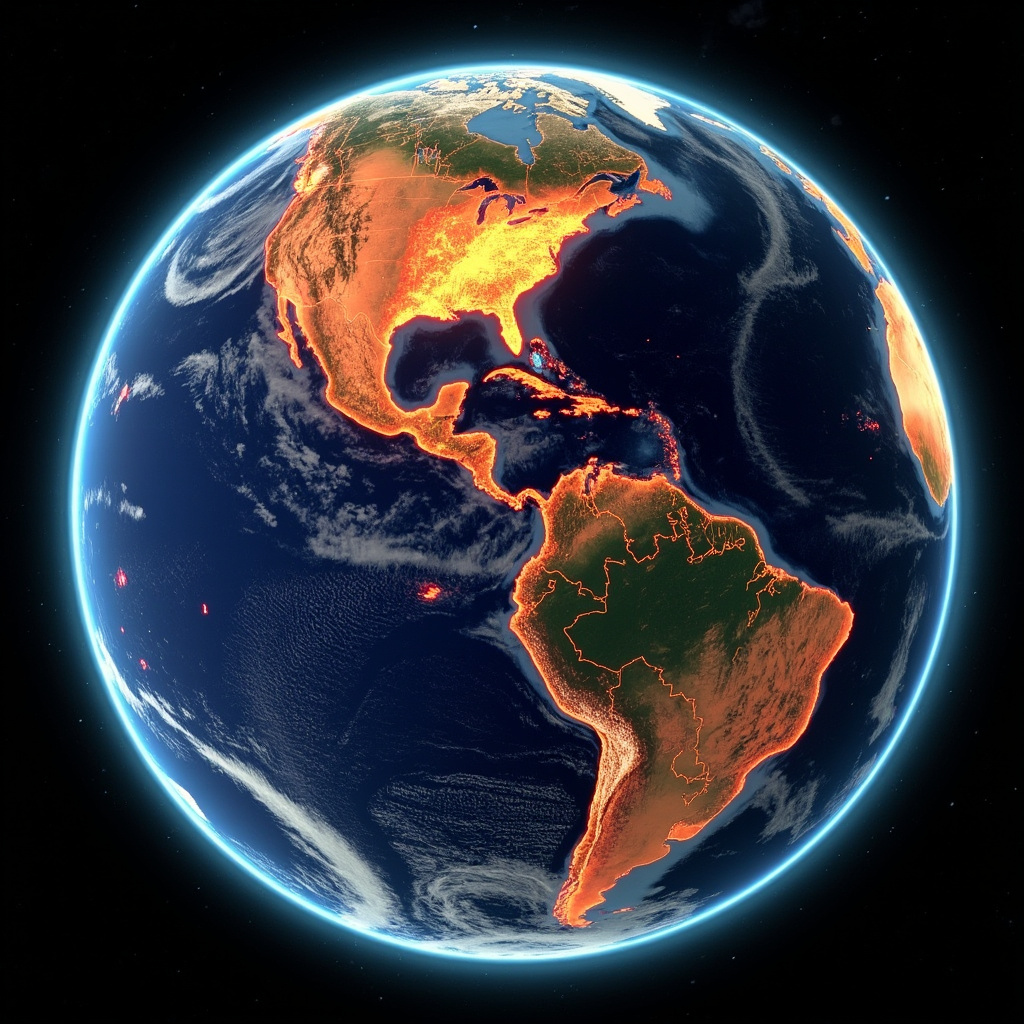
The World Meteorological Organization released its State of the Global Climate report on March 23, confirming that the period from 2015 to 2025 constitutes the hottest 11 consecutive years in the instrumental record. Earth's energy imbalance, the difference between incoming solar radiation and outgoing heat, reached its highest value in the 65-year observational record. The planet is absorbing more energy than it is emitting, and the surplus is accelerating. [1] [2]
The energy imbalance is the metric that matters most and gets reported least. Temperature records capture a snapshot. The energy imbalance captures a trajectory. It means the ocean is absorbing heat at a rate that will continue to warm the planet even if emissions stopped today. The WMO reported that ocean heat content reached a record high in 2025 and that the rate of ocean warming more than doubled between the 1960-2000 period and the 2001-2025 period. [2] [3]
Deputy Executive Secretary Ko Barrett said the planet's climate is "more out of balance than at any time in observed history." The language was carefully chosen. "Observed history" limits the claim to the period of reliable measurement. Paleoclimate data suggests similar or greater imbalances occurred during past warming events, but never at this rate of change. [1] [4]
The report landed during a week that illustrated the contradiction at the center of energy policy. Gas prices hit $3.98 in the United States. The Strait of Hormuz remained partially blocked, disrupting oil shipments. The war in Iran made every barrel of crude more valuable and every conversation about reducing fossil fuel consumption more politically difficult. The WMO's data describes a planet that needs to burn less. The geopolitical reality describes a planet that cannot afford to. [3]
Scientific American noted that the findings were announced the same week that multiple countries declared energy emergencies related to the war in Iran. The report did not mention the war. It did not need to. The data describes the system. The war describes the politics that prevent the system from changing. [4]
-- DARA OSEI, London
Sources & X Posts
News Sources