TL;DR
Two Kansas City congressmembers sent a letter to FIFA demanding affordable tickets — and FIFA actually responded.
MSM Perspective
MSM covers Congress pressuring FIFA on prices as a win for fans; Yahoo Sports reported the letter verbatim.
X Perspective
X sees Congress fixated on FIFA ticket optics while real costs — security, transit, infrastructure — fall on Kansas City taxpayers.
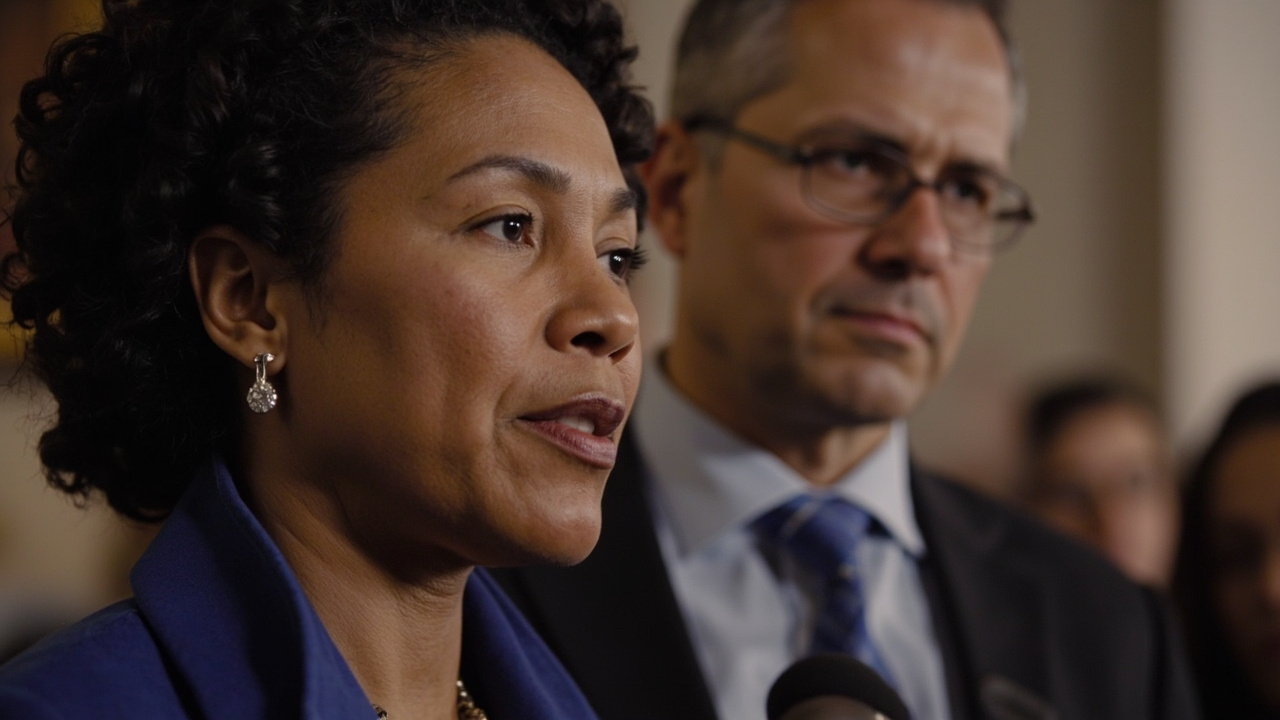
Representative Sharice Davids and Senator Emanuel Cleaver sent a letter to FIFA headquarters in March demanding the organization reconsider its ticket pricing structure for World Cup matches in Kansas City — and the letter produced a response, though not necessarily the one fans were hoping for.
"The World Cup in KC is a historic event, and it should be accessible to all Kansans," Davids wrote on X. "That's why I am calling on FIFA to make tickets affordable."
Cleaver echoed the concern in his own post: "FIFA has an obligation to ensure every fan has a chance to enjoy the World Cup."
The letter, co-signed by both Kansas City representatives, pointed to ticket prices for group stage matches that topped $400 for lower-bowl seats. The cheapest tickets to see games at Arrowhead Stadium were priced in the $150 range — accessible by international tourist standards but expensive for a local market where median household income sits below the national average.
FIFA's response, according to congressional sources familiar with the correspondence, acknowledged the concern but offered no concrete changes. The organization pointed to its "fan first" pricing initiative launched in 2024, which set aside a percentage of tickets at lower price points — a program critics note affects only a small fraction of total inventory.
Kansas City is receiving an estimated $59 million in federal security funding for the tournament, part of a $625 million FEMA program for all American host cities. But that money covers only security. The broader infrastructure costs — transit upgrades, stadium modifications, medical surge capacity — come from city and county budgets already stretched thin.
"The question nobody in Congress is asking," one city budget analyst told me, "is what 'affordable' means when the real cost of attending a World Cup match includes $30 parking, $15 in rideshare fees to avoid congested lots, and three hours of your life in traffic."
The congressmembers' letter represents a departure from the typical federal approach to global sporting events in American cities, where organizing committees shoulder infrastructure costs with limited public accounting of who ultimately pays. Whether the letter changes anything depends on FIFA's willingness to acknowledge that a global event's accessibility includes more than a ticket price. [1] [2] [3].
Sources & X Posts
News Sources
X Posts