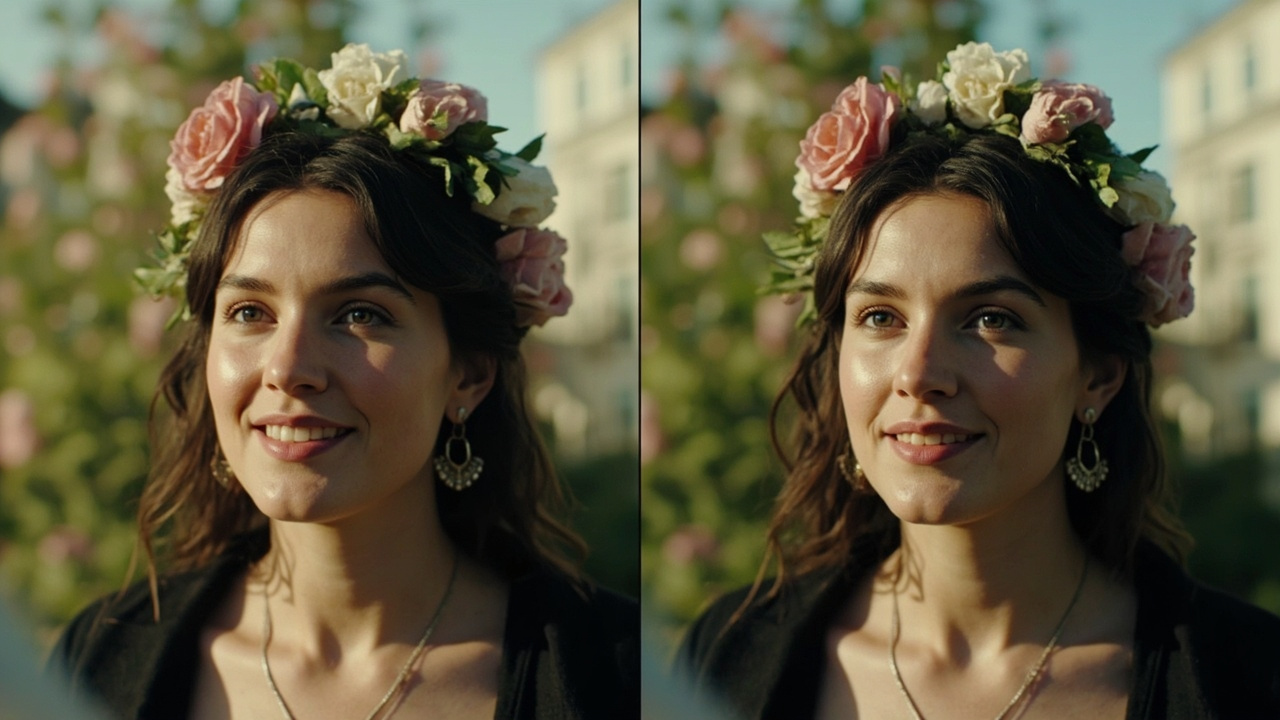
The "2026 is the new 2016" trend shows no sign of slowing down. Since we first covered the nostalgia wave sweeping social media, the hashtag has accumulated over 2.3 billion views on TikTok alone, with Instagram Reels and X posts adding hundreds of millions more [1]. What started as a handful of throwback selfies with flower-crown filters has metastasized into a full aesthetic movement.
The revival goes beyond filters. Brands are now leaning into the trend commercially. Snapchat quietly re-released its original puppy and flower-crown lenses this month, and Urban Outfitters launched a "2016 Core" capsule collection featuring chokers, round sunglasses, and millennial pink everything [2]. Spotify playlists tagged "2016 vibes" have surged in streams, heavy on Drake's "One Dance" and The Chainsmokers' "Closer."
Cultural commentators see something more unsettling beneath the fun. The nostalgia cycle, once measured in decades, has compressed to just ten years — and arguably less, since 2016 aesthetics were themselves nostalgic for the early 2010s [1]. Critics argue the trend reflects a generation stuck in recursive loops, consuming its own recent past because the present offers too little cultural novelty. Others push back, calling it harmless play in an era when everything is archived and instantly retrievable.
Either way, the internet appears content to keep scrolling backward. The question is whether anyone will notice when 2026 develops an identity of its own.
-- MAYA CALLOWAY, New York