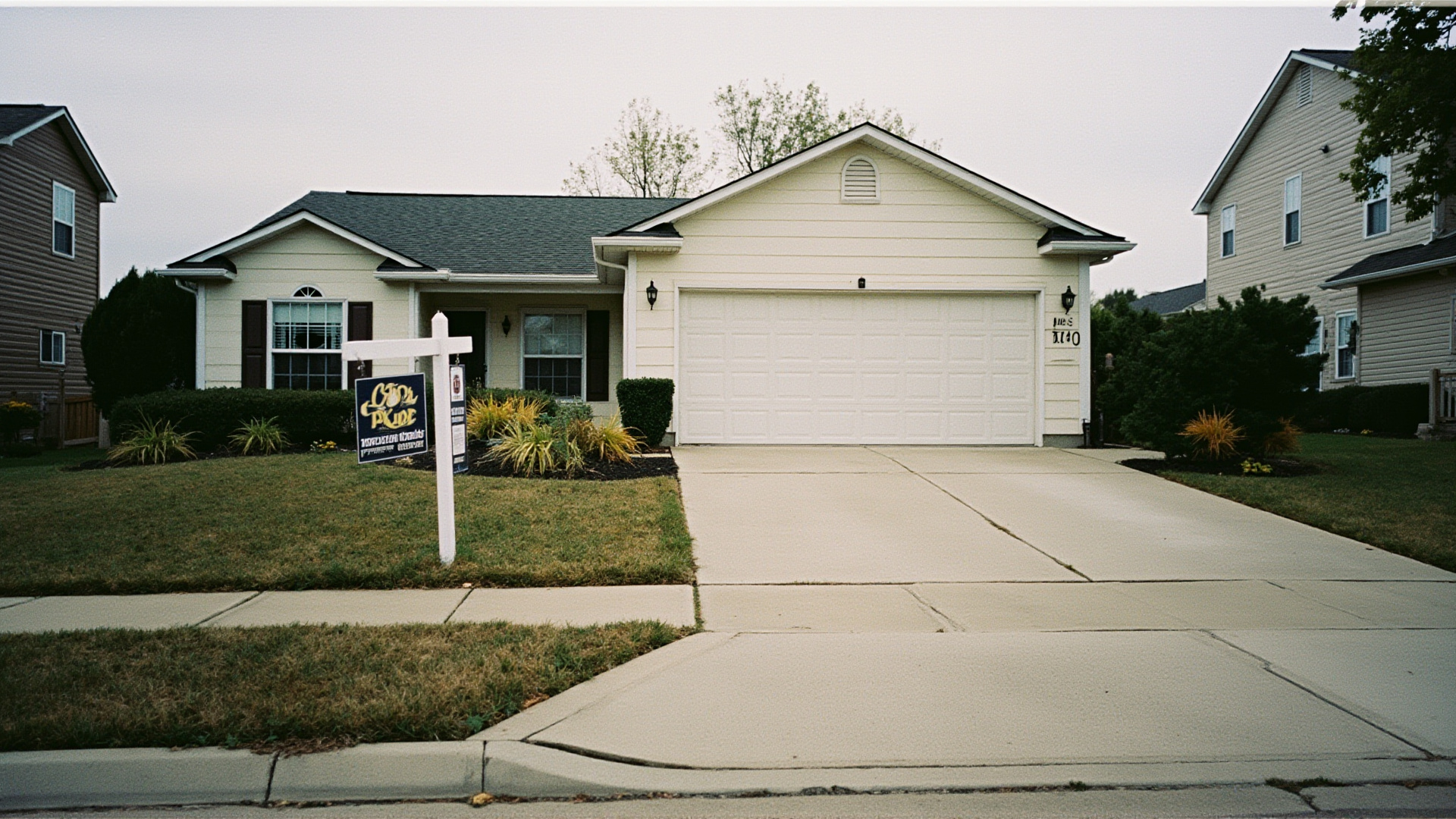
The average 30-year fixed mortgage rate climbed to 7.41 percent on Thursday, according to Freddie Mac's weekly Primary Mortgage Market Survey — the highest reading since October 2023 and the steepest five-week increase since the survey began tracking weekly data in 1971. The rate stood at 6.54 percent on February 20, the day before the first Hormuz shipping disruption. It has risen 87 basis points since. [1]
The mechanism is straightforward but rarely stated in full. The war created an oil supply shock. The shock pushed energy prices up — gas is now $4.22 nationally, up 36 percent in five weeks. Energy inflation feeds into headline CPI expectations. Treasury investors, anticipating that the Federal Reserve will hold rates higher for longer, demand higher yields. Mortgage rates, which are priced off 10-year Treasury yields, follow. Each link in the chain is well documented. The chain itself — from a naval blockade in the Persian Gulf to a family's mortgage payment in suburban Ohio — appears in no headline. [1] [2]
The National Association of Realtors estimates that the rate increase since mid-February has reduced the purchasing power of a median-income household by $47,000. Existing home sales, already at their lowest level since 2010, fell an additional 3.1 percent in the NAR's preliminary March data. Mortgage applications for home purchases dropped 11 percent week-over-week, according to the Mortgage Bankers Association. [2]
The Fed cannot cut rates into an energy shock. Chair Powell said as much on Wednesday, noting that "developments in global energy markets" remained a factor in the committee's rate-setting deliberations — the most direct acknowledgment yet that the war is constraining domestic monetary policy. The war premium on oil is now a war premium on housing.
-- THEO KAPLAN, San Francisco