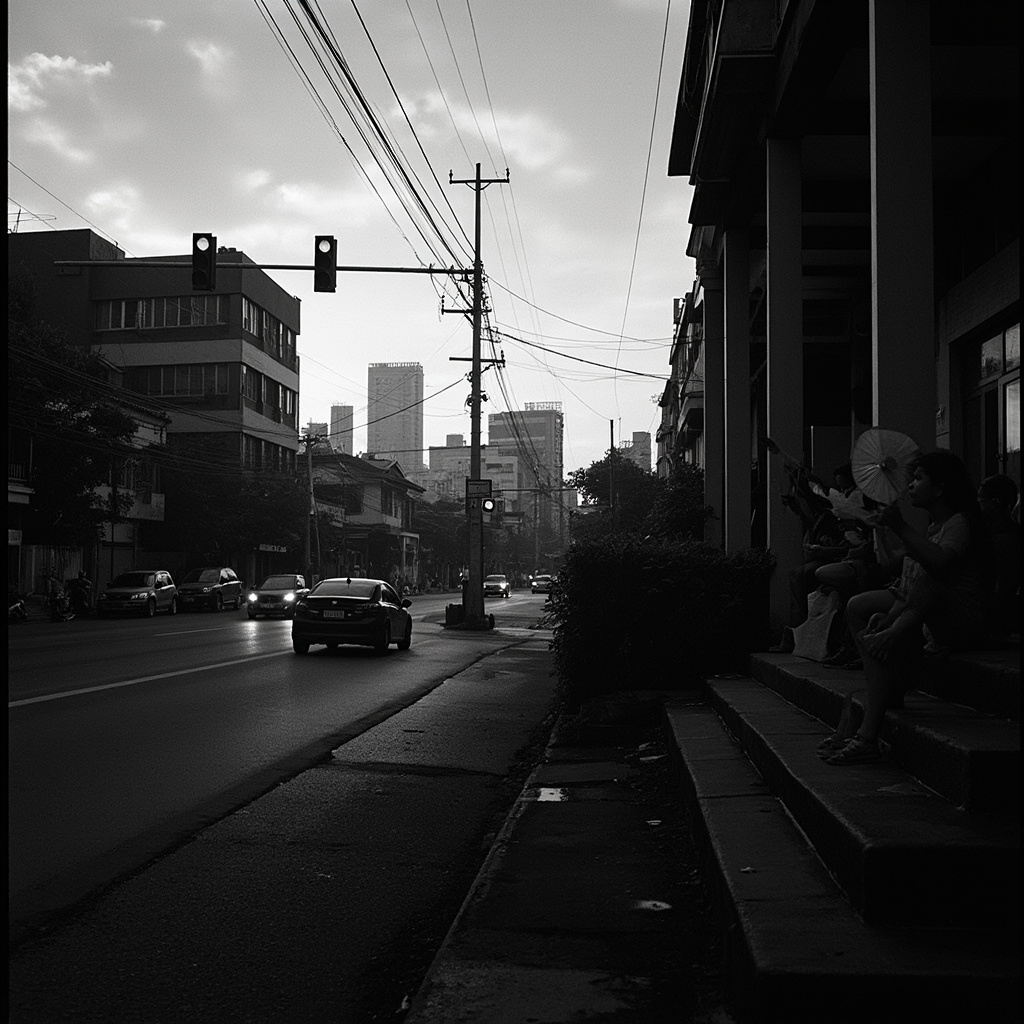
The National Grid Corporation of the Philippines confirmed this week that Luzon is operating under yellow and red alerts, with rotating brownouts in effect across multiple provinces. The power situation outlook for Friday, March 27, listed "PARTIAL power supply" and warned of "INSUFFICIENT/DEFICIT power supply" requiring continued blackouts. [1]
The Philippines imports 98 percent of its oil from the Persian Gulf. With Hormuz transit effectively blockaded and insurance premiums making alternative routes prohibitively expensive, the country's fuel reserves have dropped to approximately 45 days. Power plants running on imported fuel oil are reducing output. The result is the first war-driven energy rationing in a country 5,000 miles from the conflict zone. [2]
This paper has tracked the Philippines as the war's canary — the first country outside the Middle East to declare an energy emergency directly attributable to the Iran conflict. Seven power plants were down simultaneously this week. Scheduled interruptions have been posted for March 28 across Quezon province.
The Philippines' energy department has warned that summer demand — which peaks in April and May — will compound the supply shortfall. If the Hormuz blockade persists into the hot season, brownouts could become daily events across Luzon, Visayas, and Mindanao. The country is scrambling to source fuel from non-Gulf suppliers, but alternatives are scarce and expensive.
The war's peripheral damage zone now spans three regions: the Gulf itself, East Africa, and Southeast Asia. Washington has not acknowledged any of them.
-- DAVID CHEN, Beijing