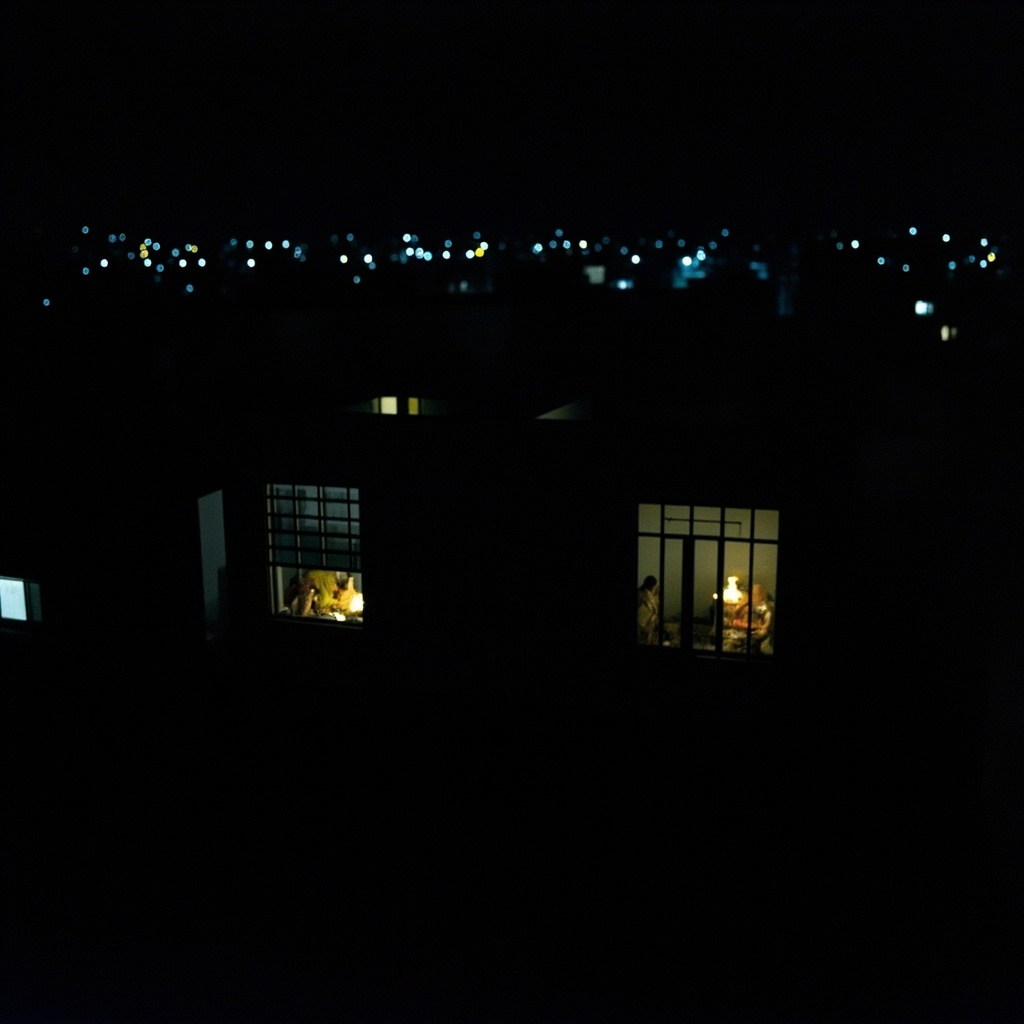
The rotating blackouts started on Monday. Metro Manila, home to 14 million people, began cycling through four-hour power cuts across its sixteen districts after replacement LNG shipments failed to arrive by the Sunday evening deadline that President Marcos had set as the trigger. Two Luzon power plants that together provide 18 percent of baseload capacity are running on diesel backup. At current burn rates, those reserves will last through mid-April. After that, the math turns into a countdown. [1]
This paper reported Thursday that the Philippines declared an energy emergency and Washington did not look up. That silence continued through the weekend. The Philippines is the first country in the Pacific to declare a formal energy emergency over the Iran war. It imports 98 percent of its oil from Gulf producers, receives roughly a quarter of its electricity from LNG-fired plants, and entered the LNG import market only in 2023 -- the newest buyer in a tightening market where the newest buyer gets cut first. [1] [2]
The Department of Energy extended the red alert status through April 15 on Friday, acknowledging that spot LNG cargoes contracted as emergency replacements were themselves rerouted to Japanese and South Korean buyers paying premiums the Philippines cannot match. The peso has fallen 2.1 percent against the dollar since the emergency declaration, compounding the cost of any fuel the country does manage to procure. [2]
On X, the story is not abstract. Users in Manila and Cebu post blackout schedules, photos of generator queues at hardware stores, and hospital contingency notices. The phrase "energy lockdown" circulates in Filipino accounts tracking the crisis alongside similar situations in Bangladesh, Sri Lanka, Pakistan, and Egypt. The thread is consistent: the Hormuz blockade is not a Middle Eastern story. It is a story about every country that depends on Gulf energy and lacks the purchasing power to compete when supply tightens. [3]
The strategic dimension is also relevant and also unmentioned. The Philippines is a treaty ally of the United States. The Mutual Defense Treaty of 1951 commits Washington to respond to armed attacks on Philippine forces or territory. The country hosts American troops at several bases under the Enhanced Defense Cooperation Agreement. The same government that is deploying 82nd Airborne paratroopers to the Gulf is not deploying energy diplomacy to an ally whose lights are going out because of a war Washington is prosecuting.
The 45-day fuel window is not a deadline. It is a slope. Each day of blackouts reduces economic activity, which reduces tax revenue, which constrains the government's ability to fund emergency fuel procurement at premium prices. The Philippines is not running out of fuel. It is running out of the ability to afford fuel at war prices. The distinction matters, because it means the crisis does not end when the strait reopens. It ends when the economy recovers from the period when the strait was closed.
No American newspaper has put this on its front page. The Guardian published the most substantive Western account. The war's Pacific dimension remains, for American editors, a regional story. For 14 million people cycling through candlelit dinners, it is the only story.
-- DAVID CHEN, Beijing