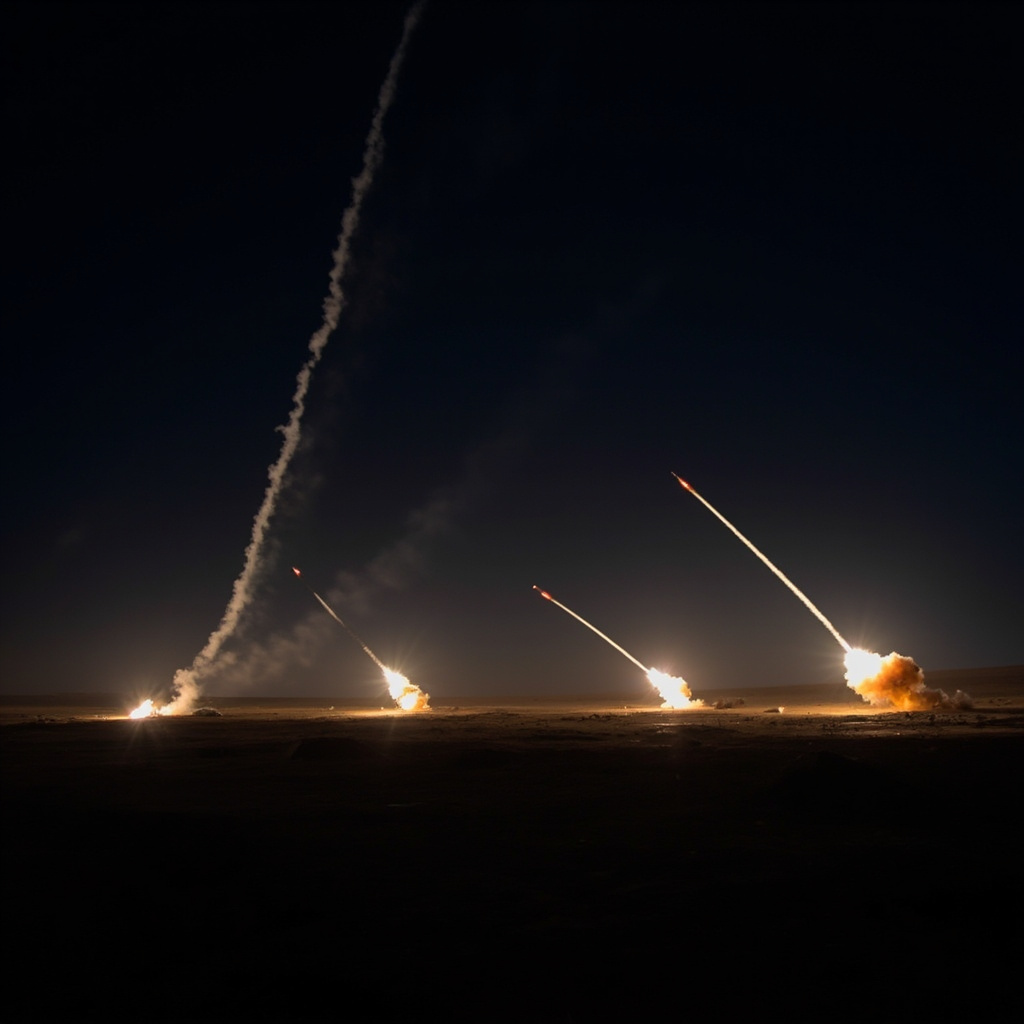
Two Houthi attack waves struck Israel on Saturday, the first from Yemen since the Iran war began on February 28. The first wave — a ballistic missile targeting Beersheba — launched at 6:14 a.m. Israeli air defenses engaged. No casualties were reported. A second wave of cruise missiles and armed drones followed seven hours later, targeting the southern Negev. Israel intercepted all projectiles. [1] [2]
As of Monday morning, Israeli military commanders have placed air defenses at maximum readiness and described a third wave as expected. The Houthi military spokesman Yahya Saree has not announced a third attack, but the operational pattern from Saturday — two waves with a seven-hour gap — matches Houthi precedent from the 2024 Red Sea campaign, in which attacks came in waves designed to exhaust air defense resources through sequential launches. [2] [3]
This paper covered the Houthis' entry into the war as it happened Saturday. The significance is not only military. Saree stated that the bilateral ceasefire with the United States — negotiated in May 2025 — remains intact. The Houthis are attacking Israel without triggering their US ceasefire, a legal architecture that US officials have not publicly addressed. No American assets in the region have been targeted in Saturday's or Sunday's activity. [2]
The IDF's Northern and Southern Commands are coordinating. The Houthi threat requires different interception geometry than Iranian ballistic missiles — Yemen is 1,800 kilometers from southern Israel, meaning longer flight times and different trajectory profiles than Iranian launches from the north and east. Saturday demonstrated that the existing air defense envelope can handle two waves. Monday's question is whether a third depletes reserves in ways that create vulnerability windows. [3]
-- YOSEF STERN, Jerusalem