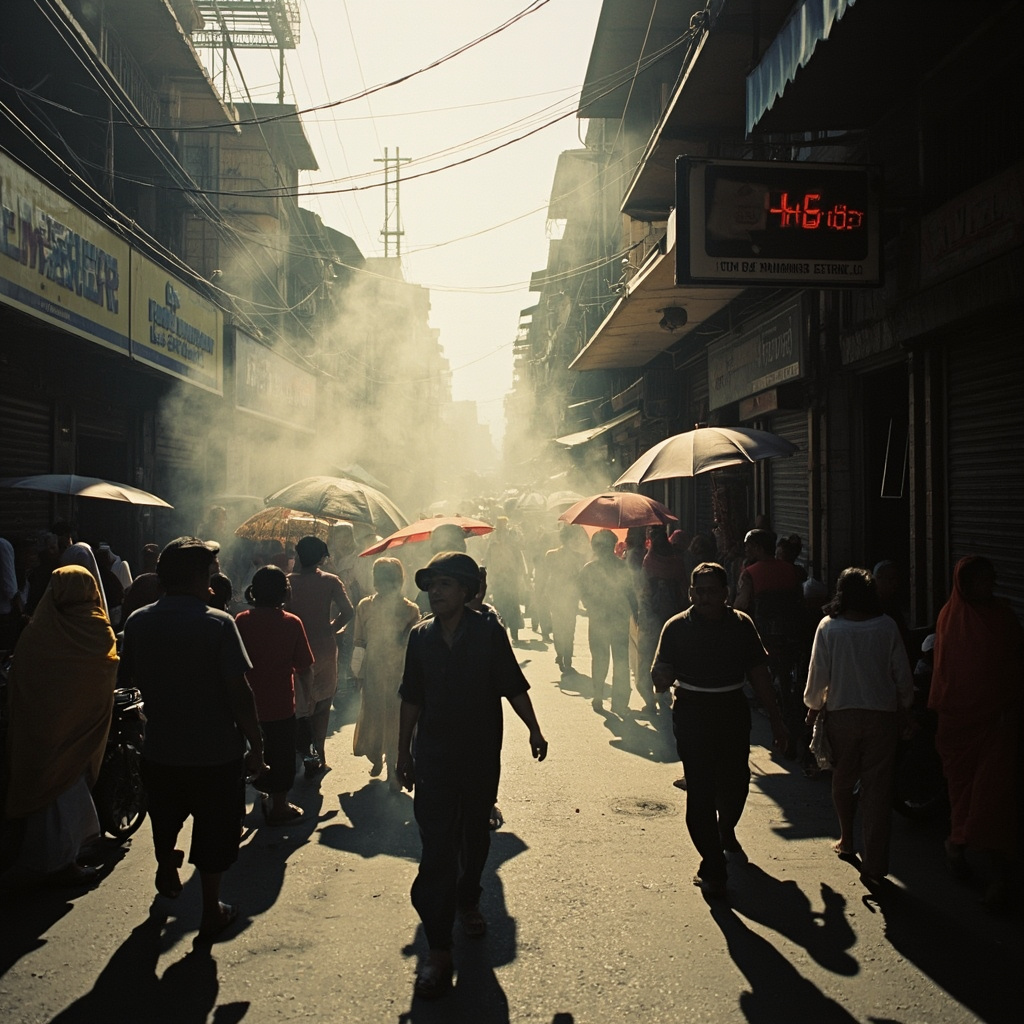
India recorded its first official heatwave of 2026 in March — a full month ahead of the typical onset — with temperatures surging 4 to 8 degrees Celsius above normal across Rajasthan, Maharashtra, and Gujarat [1]. Fourteen cities crossed 40 degrees Celsius before the calendar turned to April. Spring, in much of northern and western India, effectively did not happen.
The India Meteorological Department's seasonal outlook, released March 31, warns of above-normal heatwave days across most of the country from April through June, with warm nights expected nationwide [2]. Eastern, northeastern, and northern India face the longest projected heat spells. The forecast is not a surprise — it is a confirmation of what the thermometers already showed.
Hindustan Times reported that maximum temperatures in several regions reached 38-42 degrees Celsius during the March heatwave, with meteorologists describing the pattern as alarming [3]. The numbers matter because India's heat-related mortality is concentrated in the gap between forecast and preparation. Rural laborers, outdoor workers, and the urban poor — those without air conditioning or the ability to stop working — bear the consequences disproportionately.
A brief reprieve arrived in late March, with western disturbances bringing rain and cooling parts of northwest India [4]. IMD expects temperatures to remain 2-5 degrees below normal in those regions until around April 20. But the seasonal trajectory is clear. The heat is early, the monsoon is not, and the gap between the two is where the danger lives.
-- Priya Sharma, Delhi