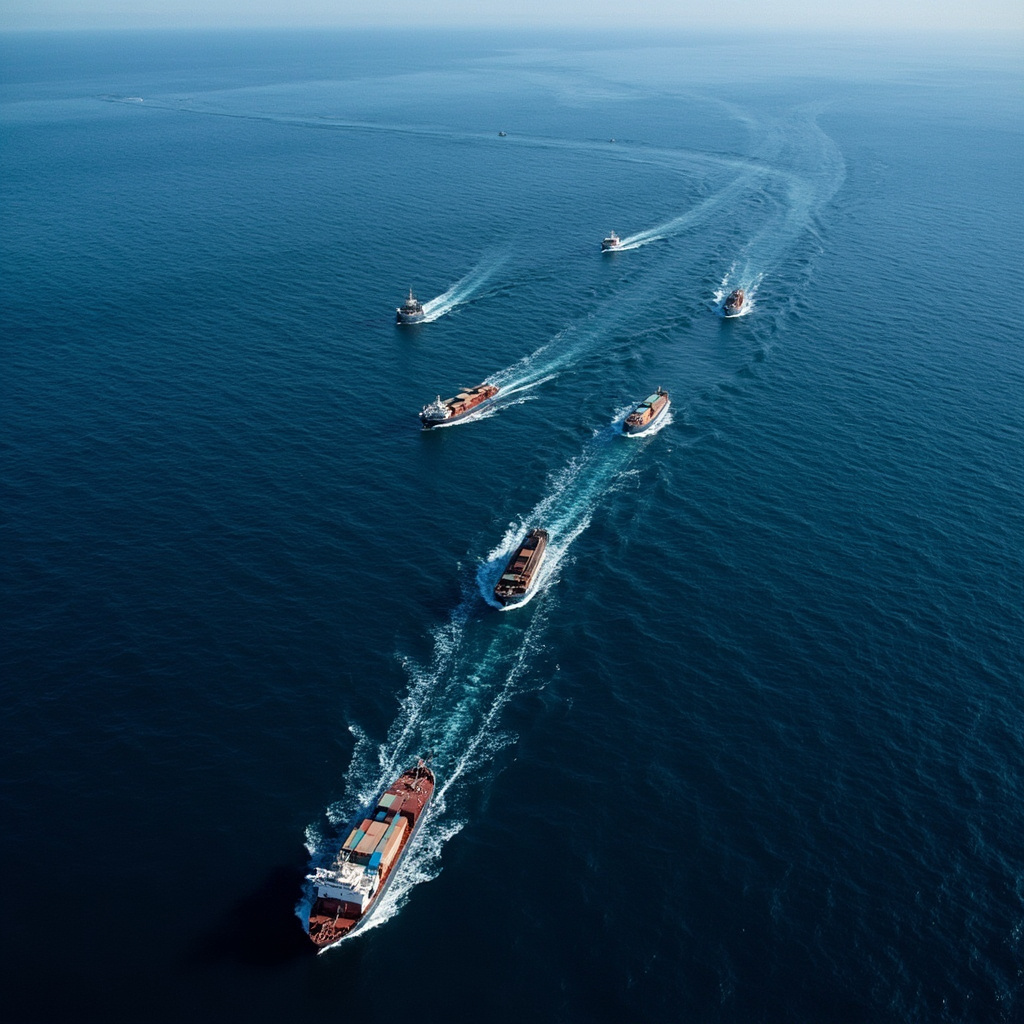
The world's two most critical maritime chokepoints are now simultaneously compromised. Suez Canal transits have dropped by roughly half as Houthi attacks in the Red Sea combine with Iran's effective closure of the Strait of Hormuz to create a dual chokepoint crisis without modern precedent [1].
The numbers are stark. Tanker traffic through Hormuz has fallen approximately 70% since Iran began imposing fees and threatening vessels in early March. In the Red Sea, Houthi rebels — reportedly encouraged by Iran — have escalated attacks on commercial shipping, sinking four vessels between 2024 and 2025 and damaging at least one Maersk ship in recent weeks [2].
Lloyd's of London has suspended war-risk coverage for the entire Red Sea corridor. Major shipping lines have rerouted via the Cape of Good Hope, adding 10-14 days per voyage and over $1 million in additional costs per trip. The UNCTAD warned in a March report that the disruptions are producing "ripple effects that go far beyond the immediate region" [3].
Container shipping rates between Asia and Europe have risen two to four times their pre-crisis levels. The cost pressure flows directly into consumer prices — every product that crosses an ocean is now more expensive to move [4].
The dual blockade is not merely a shipping problem. It is a restructuring of global trade geography in real time, with consequences that will outlast whatever ceasefire eventually comes.
-- Dara Osei, London