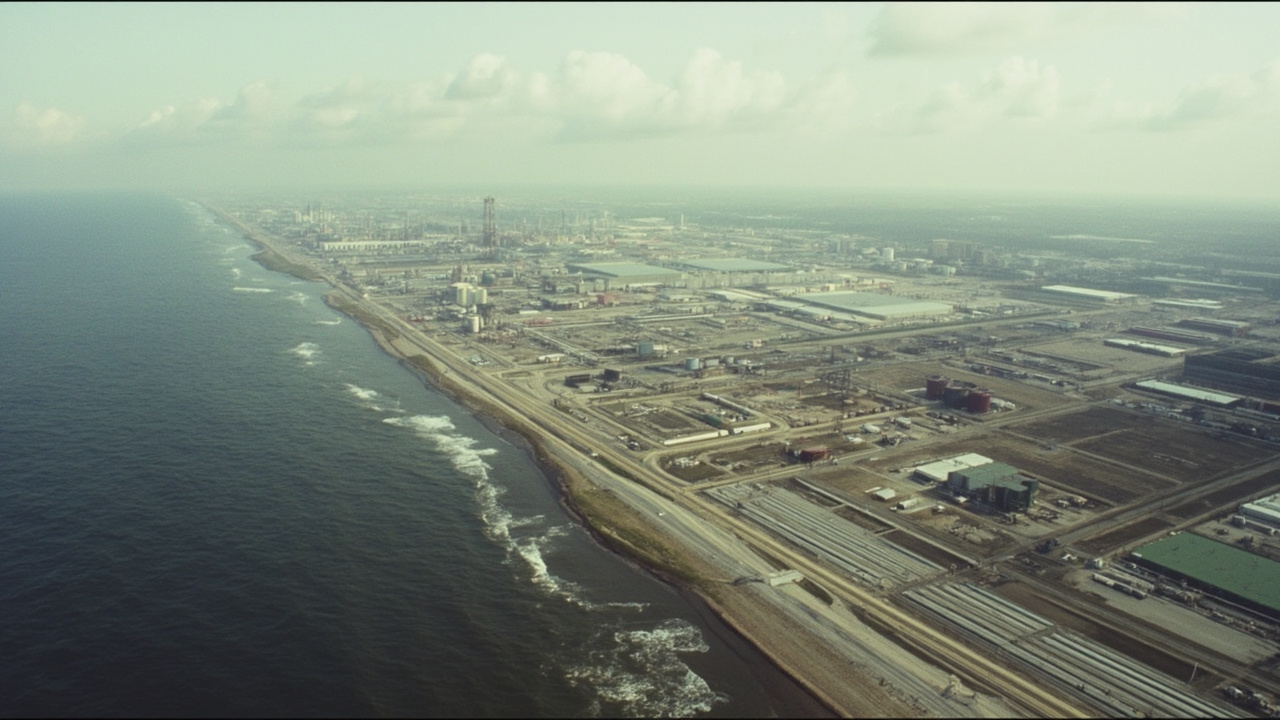
Iraq did not start this war. Iraq is not fighting in this war. But Iraq's economy -- 90% dependent on oil revenue -- is being destroyed by it [1].
Before the Hormuz blockade, Iraq exported approximately 3.4 million barrels per day through its southern terminals near Basra. Those exports have effectively halted. Storage facilities are full. The country declared force majeure on foreign-operated oilfields in March [2]. The Atlantic Council estimates Iraq is losing between $260 million and $280 million in daily revenue, with no viable alternative export pipeline to replace the Hormuz route [3].
Iraq has begun rerouting small volumes through Syria and the Kurdistan pipeline to Turkey's Ceyhan port, but the combined capacity of these alternatives handles a fraction of what the southern terminals moved [4]. The Iraqi government has called for emergency OPEC consultations. OPEC has not responded with a coordinated plan.
The human cost follows the revenue loss. Iraq's 2026 federal budget assumed $70 per barrel oil and uninterrupted exports. With neither assumption holding, the government faces a fiscal crisis that threatens public sector salaries, infrastructure spending, and the fragile stability that followed years of war against ISIS. Iraq's deputy prime minister floated $200-$300 per barrel in an extreme scenario [5]. The current reality is simpler: zero exports, zero revenue, no end in sight.
-- Yosef Stern, Jerusalem