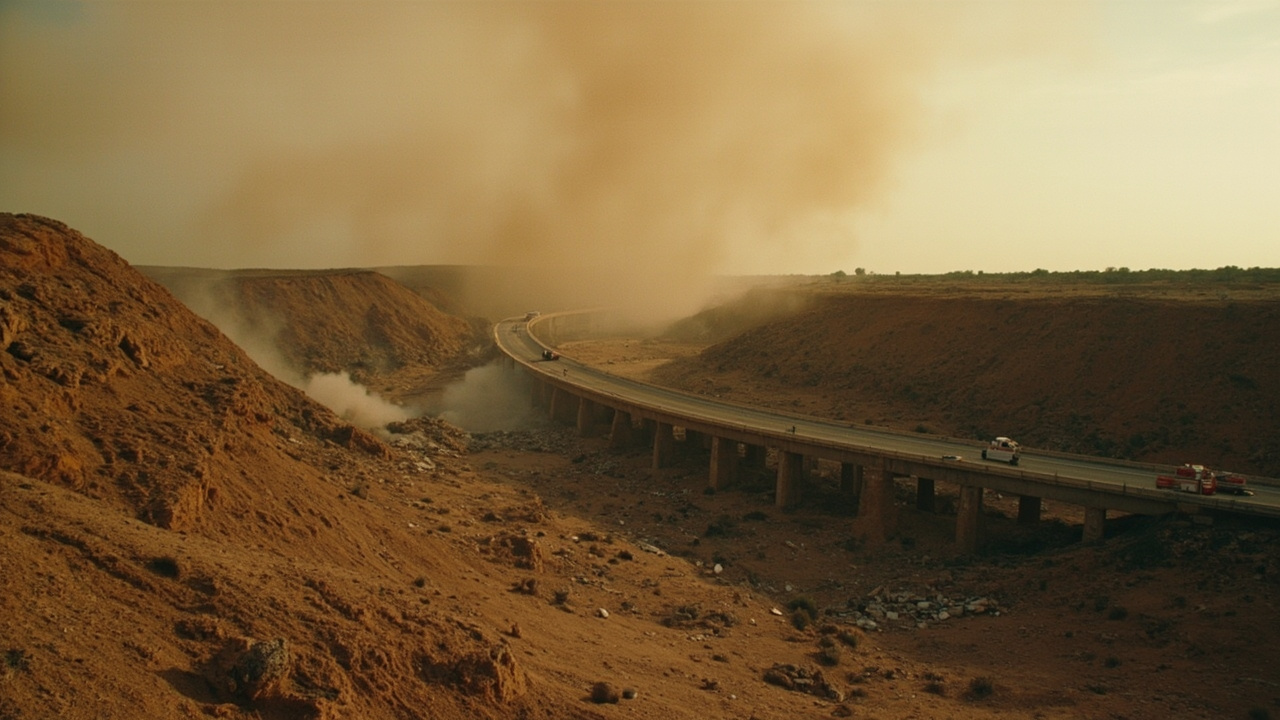
Bridges Next, Then Power Plants: The War Crossed to Civilian Infrastructure
The US destroyed Iran's tallest bridge and damaged its oldest medical lab; Iran hit a Kuwait refinery and Oracle/Amazon data centers.
You're offline. Previously read public pages remain available; new requests will resume when you reconnect.
The news. The narrative. The timeline.
The US destroyed Iran's tallest bridge and damaged its oldest medical lab; Iran hit a Kuwait refinery and Oracle/Amazon data centers.

Trump told the Telegraph he's 'strongly considering' leaving NATO, but three of five largest European allies had already said no.
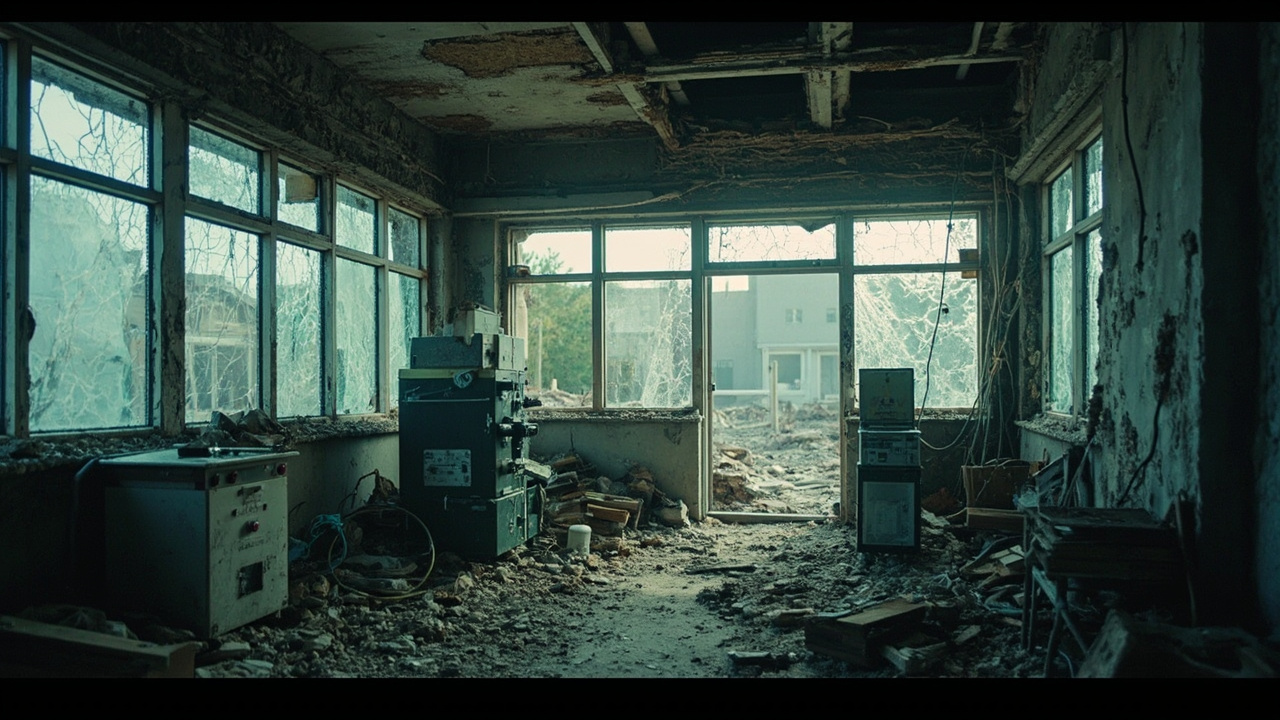
US-Israeli strikes damaged the Pasteur Institute of Iran, a century-old medical research center that fights cholera, typhoid, and rabies.

Trump declared Iran 'eviscerated' and 'no longer a threat' — then threatened to destroy its bridges and power plants, the ninth stated war aim in 35 days.
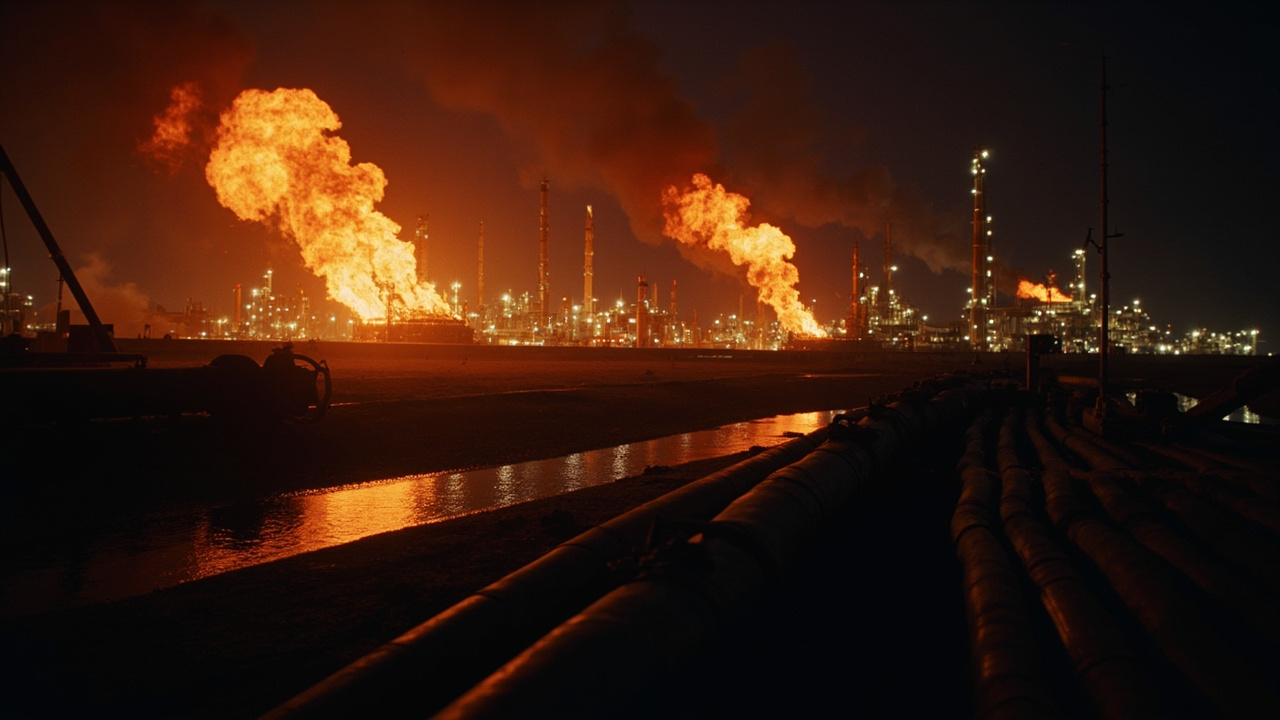
Iranian drones struck Kuwait's Mina al-Ahmadi refinery for the third time in five weeks, taking 346,000 barrels per day offline.
Turkey transmitted Iran's response to Washington with three days left on the April 6 deadline -- a NATO member carrying mail for both sides of a war.
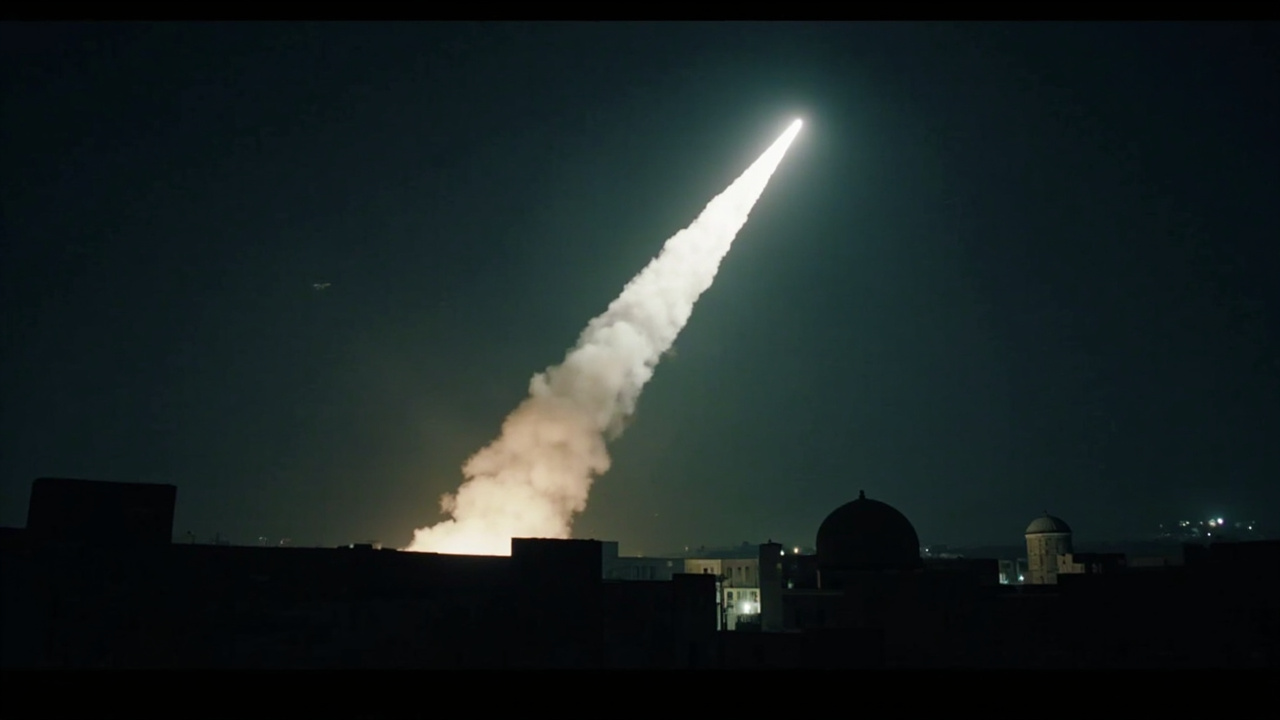
A Houthi ballistic missile fired from Yemen was intercepted near Jerusalem -- the war's geographic arc now stretches 2,000 kilometers.
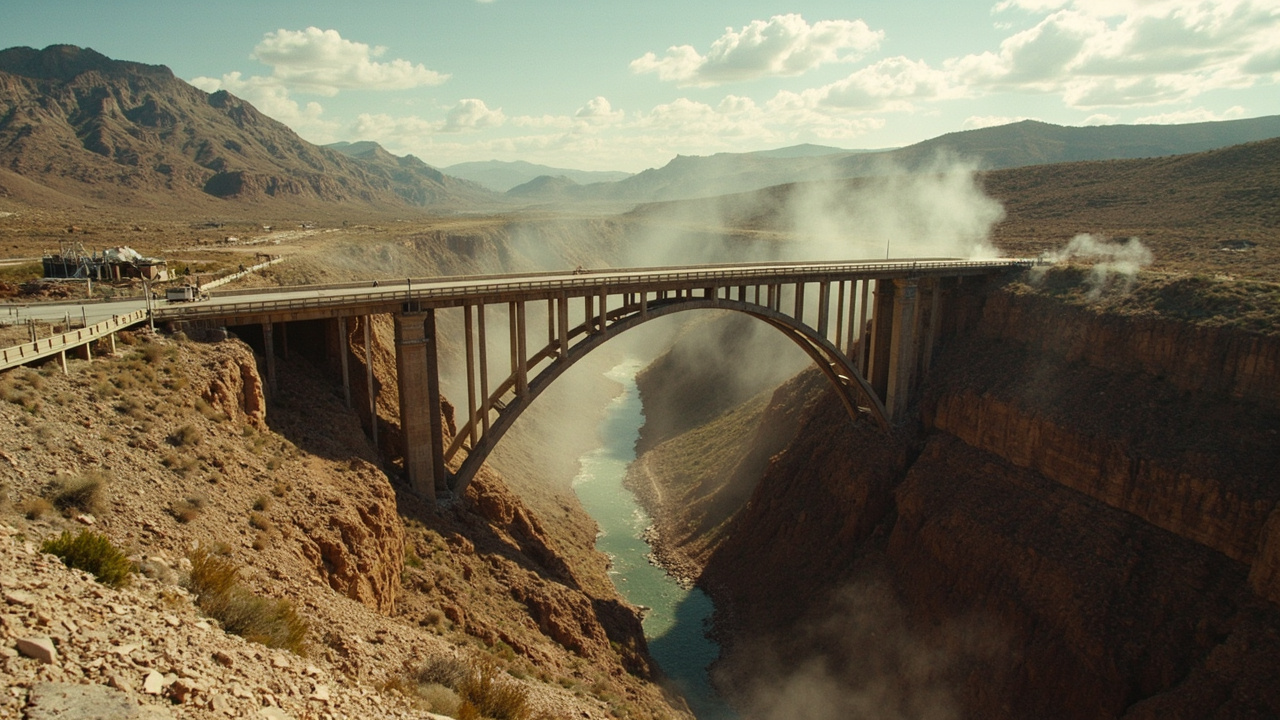
The B1 bridge near Karaj, once the tallest in the Middle East, was destroyed by US strikes; it carried civilian traffic, not military supplies.
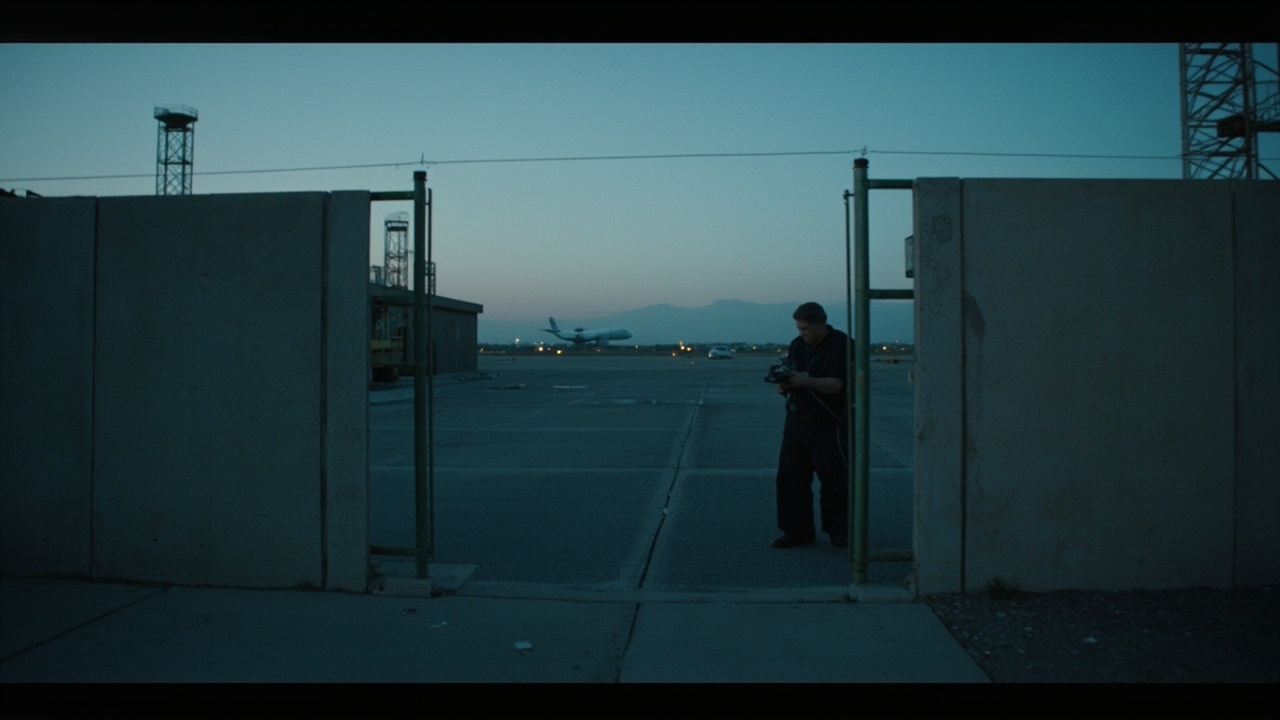
Two drones detonated near a US diplomatic facility at Baghdad International Airport; four people were wounded but flights continued.
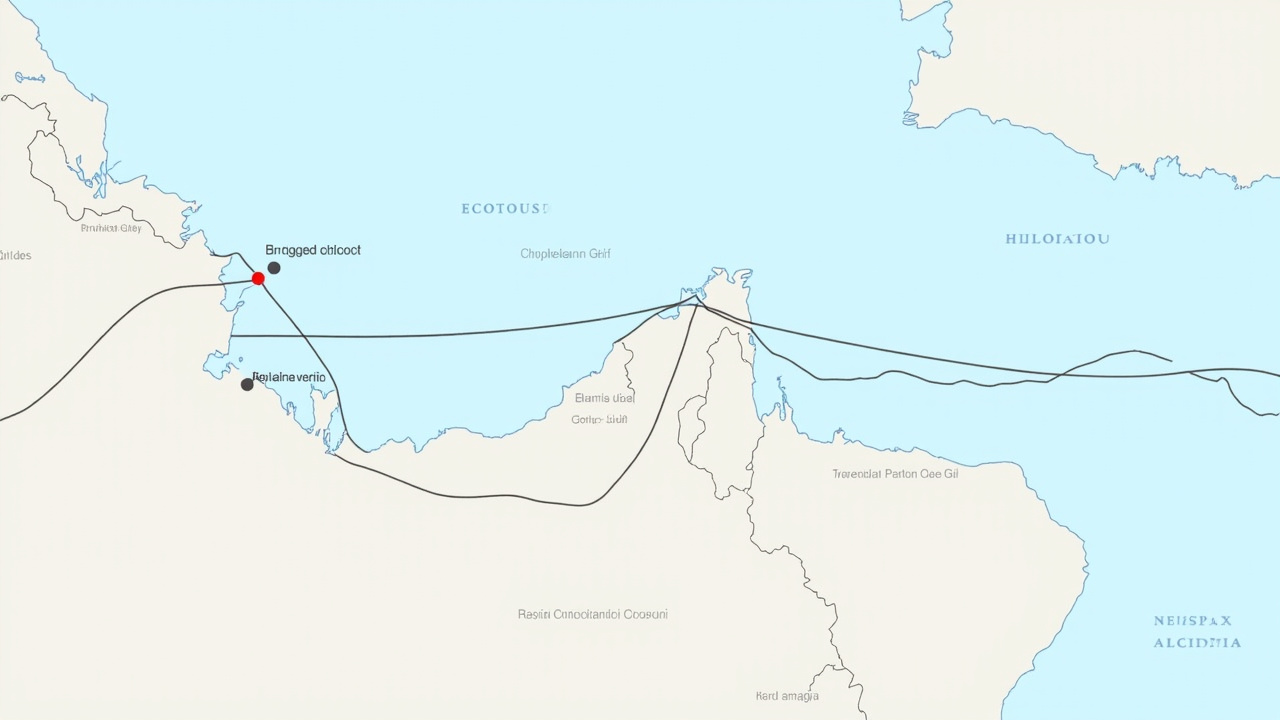
Iranian state media published a list of eight bridges across Kuwait, Saudi Arabia, Bahrain, Abu Dhabi, and Jordan as potential retaliatory targets.

China and Pakistan's five-point ceasefire plan for Iran drew interest from Turkey and Saudi Arabia -- then stopped moving, because Washington never responded.