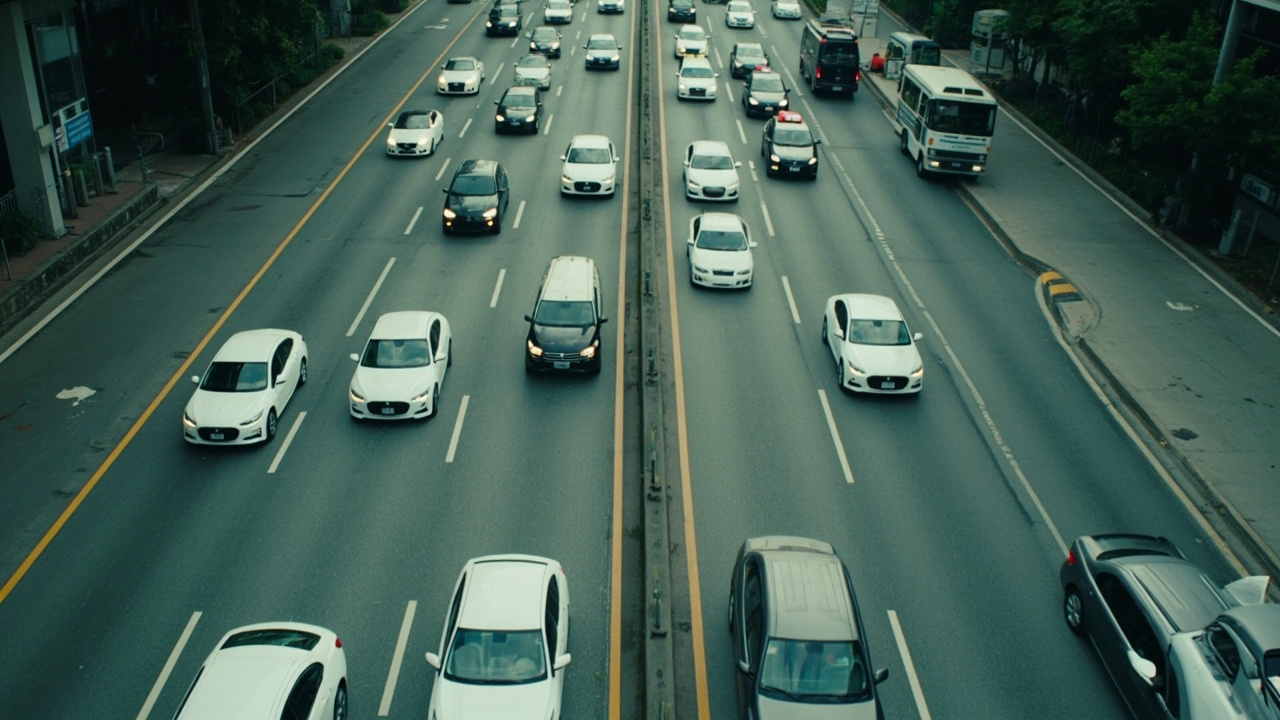
BEIJING -- On April 1, Baidu's Apollo Go robotaxi service experienced a mass system failure in Wuhan that left more than 100 driverless vehicles simultaneously stopped across city streets. Passengers inside the vehicles were unable to override the system and spent varying lengths of time — some reports said hours — trapped in stopped cars in active traffic. [1]
Wuhan traffic police attributed the incident to a "system failure" and confirmed that passengers were ultimately able to exit safely. No fatalities were reported. The vehicles caused traffic disruptions across multiple city streets, and police received a flurry of emergency calls as the outage unfolded. [2]
Baidu operates Apollo Go as one of China's largest commercial robotaxi fleets. The company launched fully driverless commercial service in Wuhan in 2022 and reached five million cumulative rides in the city before the April 1 incident. The platform operates without safety drivers in the front seat — a design that, under normal conditions, is a commercial and regulatory milestone and, under failure conditions, eliminates the most obvious human intervention point. [3]
The incident prompted an immediate debate in Chinese technology media about the adequacy of remote-override systems for commercial robotaxi deployments at scale. Wired noted that the ability to remotely stop, unlock, or redirect a stalled autonomous vehicle is not uniformly required by regulation and varies significantly across markets. [4]
Baidu's stock fell in the days following the incident. The company had not issued a detailed technical post-mortem as of this edition. [5]
The timing — April Fool's Day — circulated widely on Chinese social media as either ironic or instructive, depending on one's view of fully autonomous commercial deployment.