
Oil Dipped and Futures Rose on a Ceasefire Nobody Has Agreed To
Futures rose Monday morning on ceasefire hopes that Iran has not accepted, while Brent crude sits near $108 — down from $112 but still pricing a war that is very much ongoing.
You're offline. Previously read public pages remain available; new requests will resume when you reconnect.
The news. The narrative. The timeline.
Futures rose Monday morning on ceasefire hopes that Iran has not accepted, while Brent crude sits near $108 — down from $112 but still pricing a war that is very much ongoing.
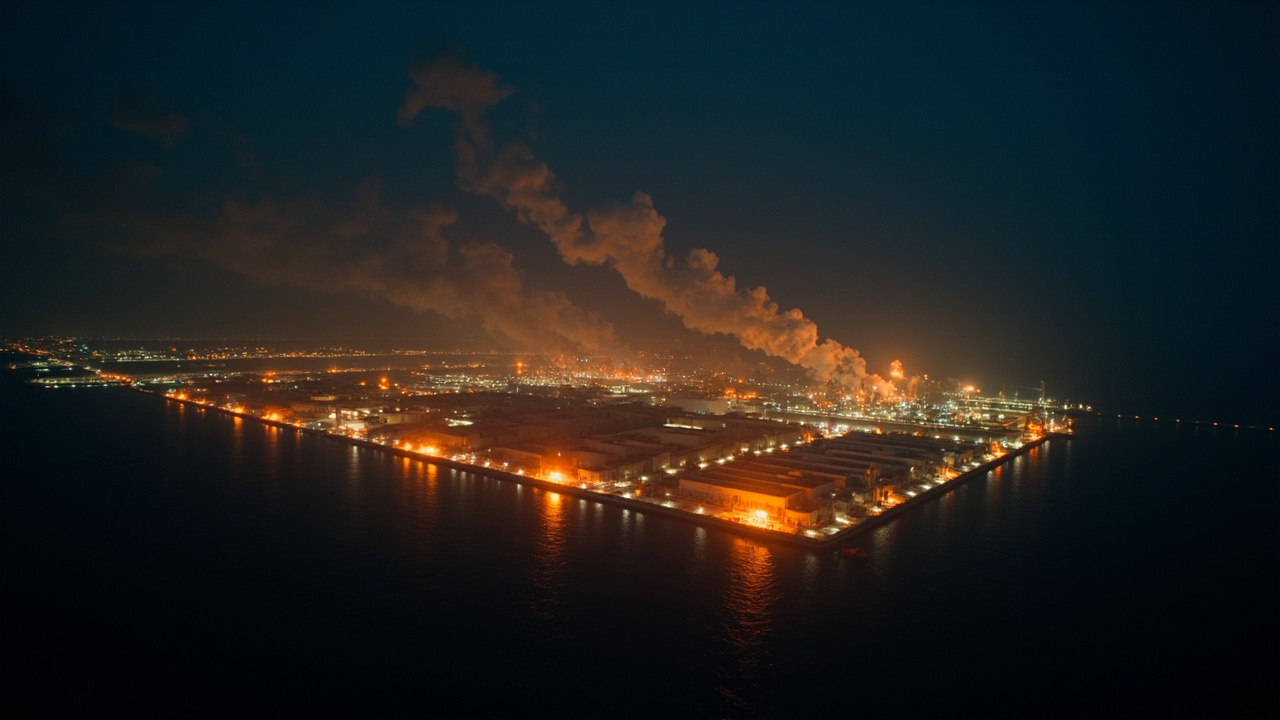
Strikes on Mahshahr's Fajr utility plants shut down all 50+ facilities in Iran's largest petrochemical zone, eliminating roughly half the country's petrochemical output in a single operation.

A Pew survey taken during the Hormuz crisis shows Americans still prefer renewables over fossil fuels, but Democratic support for wind and solar is down 6 points from its 2020 peak.
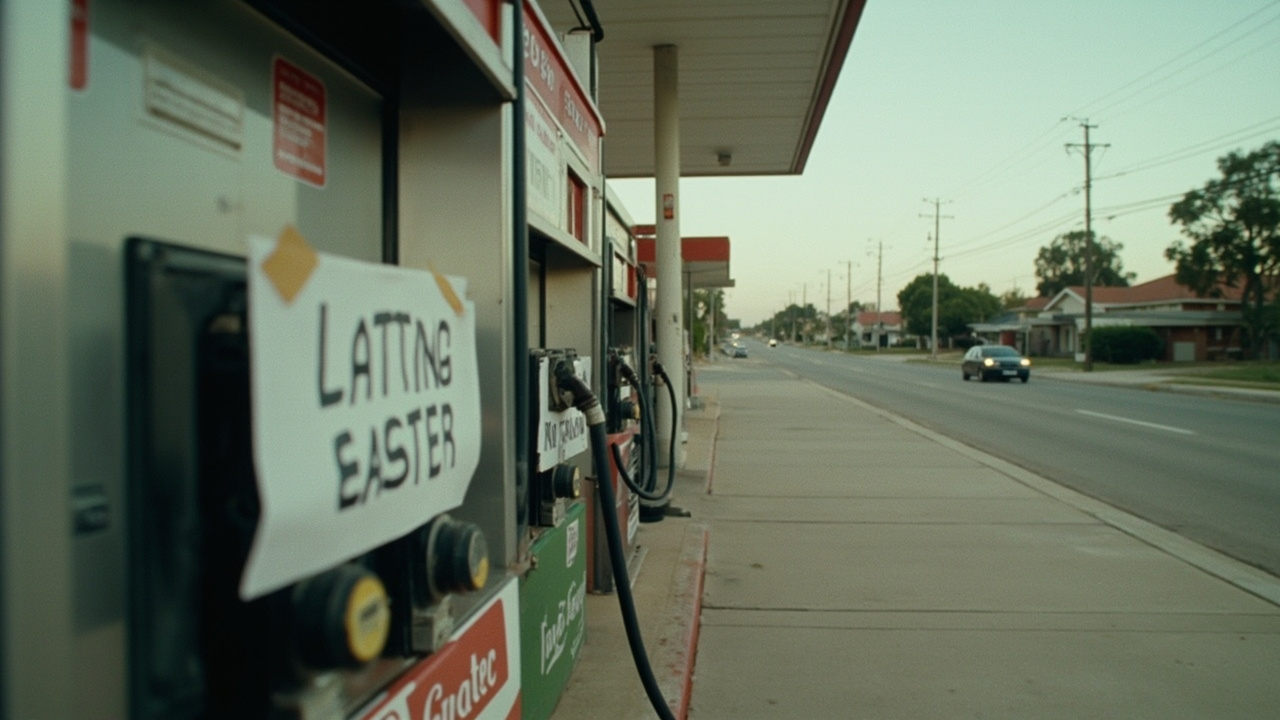
Energy Minister Chris Bowen confirmed 555 Australian stations have run dry, then told the public to continue Easter travel plans anyway.

Mexico's National Association of Transporters and allied farmers blocked major highways in 20 states Monday with demands for lower diesel prices and National Guard protection on extortion routes.

After three nationwide collapses in March, Cuba enters April with more than 60 percent of the island in recurring darkness — and no restoration timeline the government will commit to.

Effective April 3, petrol costs Rs 458 per litre and diesel Rs 520 — the largest single fuel price increase in Pakistan's recorded history.

Kenya's Treasury Secretary confirmed the country holds just 16 days of petrol reserves and urged no panic buying — the kind of statement that produces exactly that.

Manila declared a national energy emergency on March 24 with 45 days of fuel left — a countdown that expires in early May and a grid stress test arriving in June.

Ceasefire hopes briefly drove Brent below $109 before Trump's power-plant threat pushed it back above $110. Oil treats all signals as unreliable.

Redfin found 46.3% more sellers than buyers in February — a record gap of 630,000 — but mortgage rates near 6.9% mean the surplus of inventory isn't translating into affordability.

Sinopec stopped buying, India-bound cargo diverted to China, and Iran's crude discount collapsed from $10 to $4. The waiver expires in practice before it expires on paper.

Full-scope war cost estimates — direct military, veterans care, and economic damage — are approaching $800 billion, with projections crossing $1 trillion by May if fighting continues.