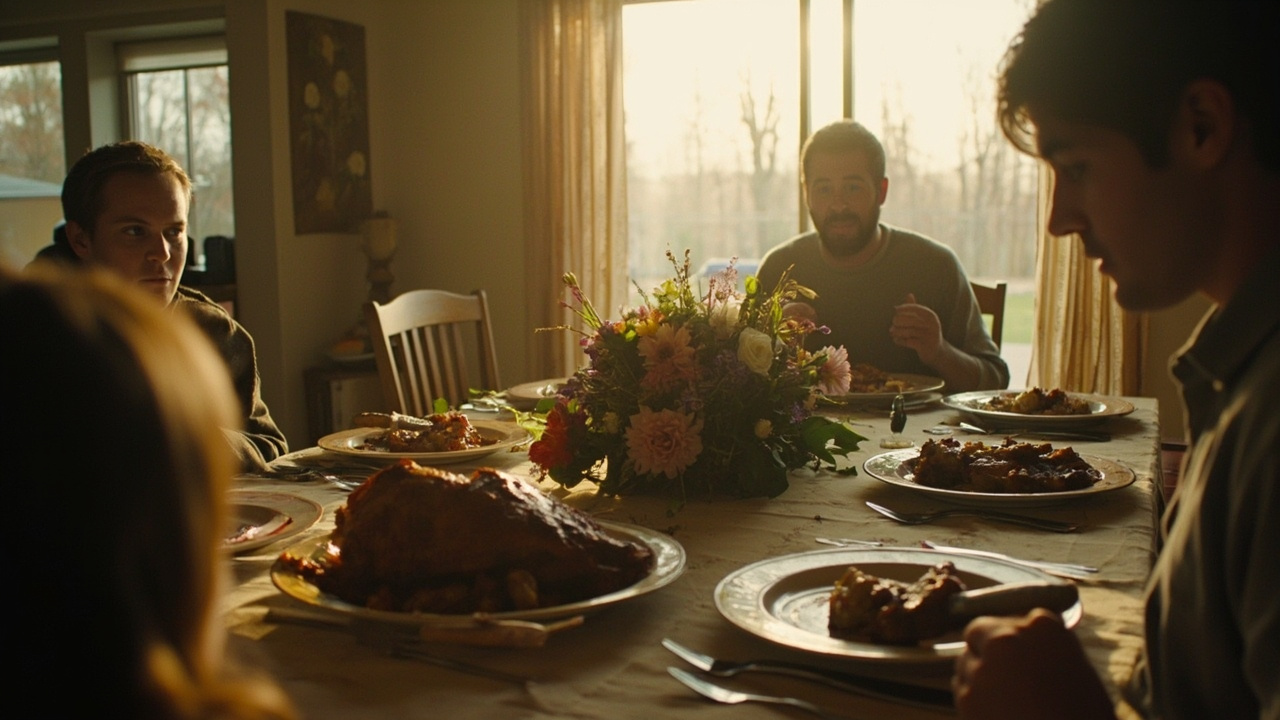
A traditional Easter dinner for ten people prepared at home will cost more than $125 this year, not including drinks or dessert, according to multiple consumer price analyses ahead of Sunday's holiday. [1] That figure captures a pattern that has compounded over six years: the same Easter basket budget that bought a full spread in 2020 now buys 40 percent less candy. [1]
Candy prices are up 67 percent since 2020, driven initially by cocoa supply shortages and compounded by shrinkflation -- Cadbury Mini Eggs, for instance, shrank from 10 ounces to 9 ounces in 2022 without a corresponding price reduction. [1] Axios reported this week that cocoa futures have actually declined from last year's record highs, but that savings have not reached consumers. [2] Wells Fargo's analysis found Easter chocolate prices elevated regardless of the input cost trend.
Easter hams are up 4.2 percent compared to February 2025, according to federal inflation data cited by ABC15. [3] The broader basket of Easter staples -- eggs, lamb, spring vegetables -- has absorbed price pressure from elevated fuel costs, with gasoline averaging $3.96 per gallon, an 85 percent year-over-year increase that flows into every mile of the food supply chain. [1]
Total U.S. Easter spending is expected to reach $25 billion, a record, according to the National Retail Federation. [4] Per-person spending is projected at $195. The record spending and the strained household budgets coexist because the holiday is distributed unevenly: those who can afford it are spending more, while lower-income families are cutting travel, flowers, and decorations to protect what ends up on the table.
-- NORA WHITFIELD, Chicago